
The First Bite of Summer—Every Time
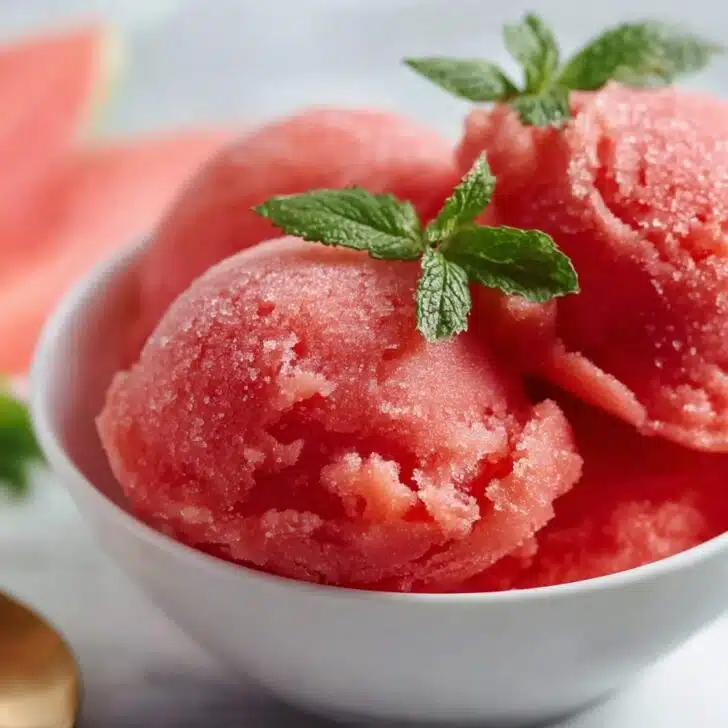
You ever have those sticky-hot summer afternoons where it feels like your flip flops are about to melt into the pavement? That’s when I dig out this easy watermelon sorbet recipe. It’s kind of a family thing at my house—my little one actually calls it 'pink snow' and I’ve personally eaten it for breakfast in a pinch. Might sound odd, but honestly, who’s judging when it’s ninety degrees by noon? Anyway, watermelon sorbet just shouts summer to me (in the best possible way, not the obnoxious alarm clock kind of shout).

Why You’ll Love This Sorbet (Besides Not Heating Up Your Kitchen)
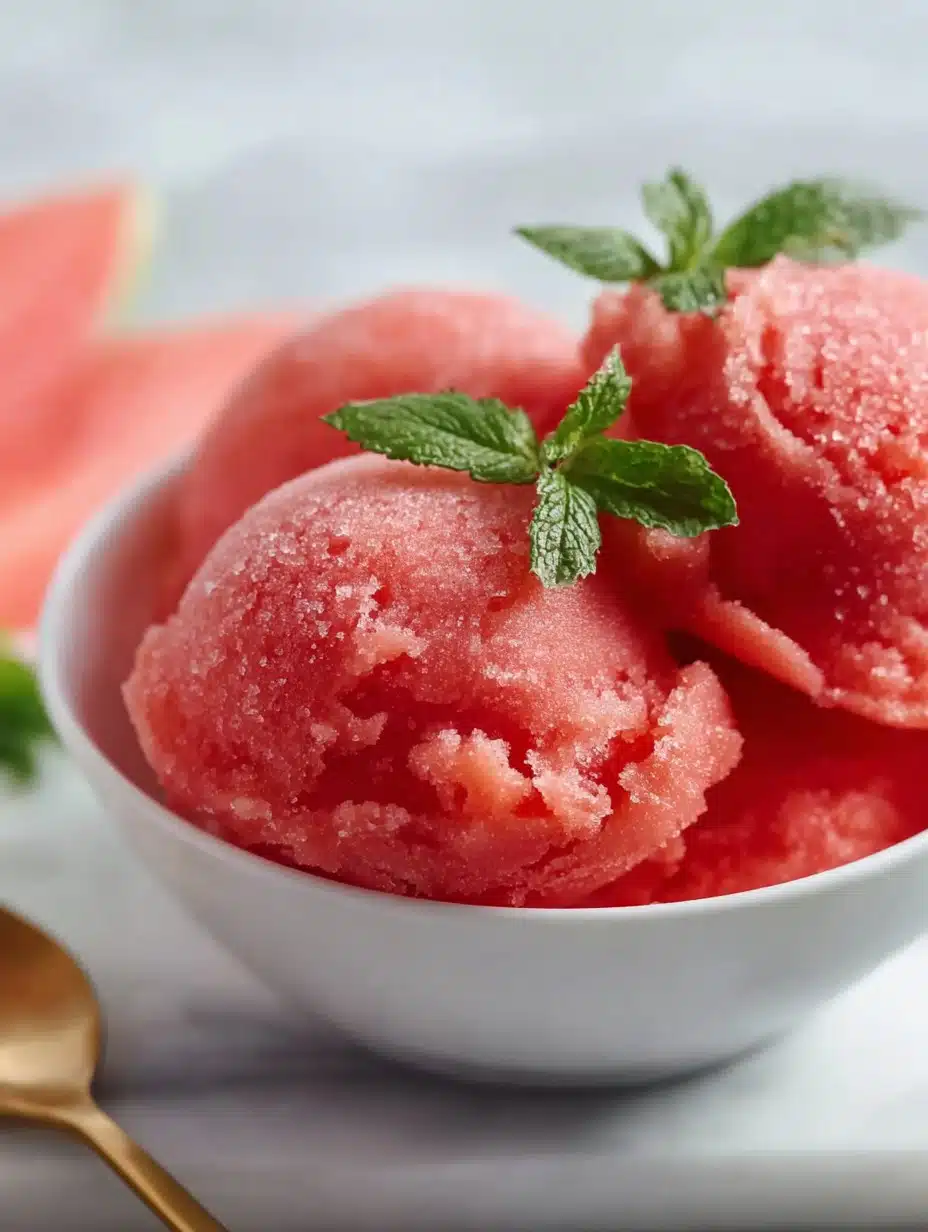
I make this sorbet whenever I get my hands on a gigantic watermelon and realize nobody is going to finish it before it starts looking sad. My family completely polishes off the sorbet before I even blink (seriously, hide a little for yourself). Plus—no fancy churner. Just a blender and a freezer. I used to think you couldn’t make good sorbet without one of those machines… turns out, you totally can! And it's way cheaper than running to the gelato place down the street (your wallet will thank you too).
Gather These Ingredients (With Some Wiggle Room)
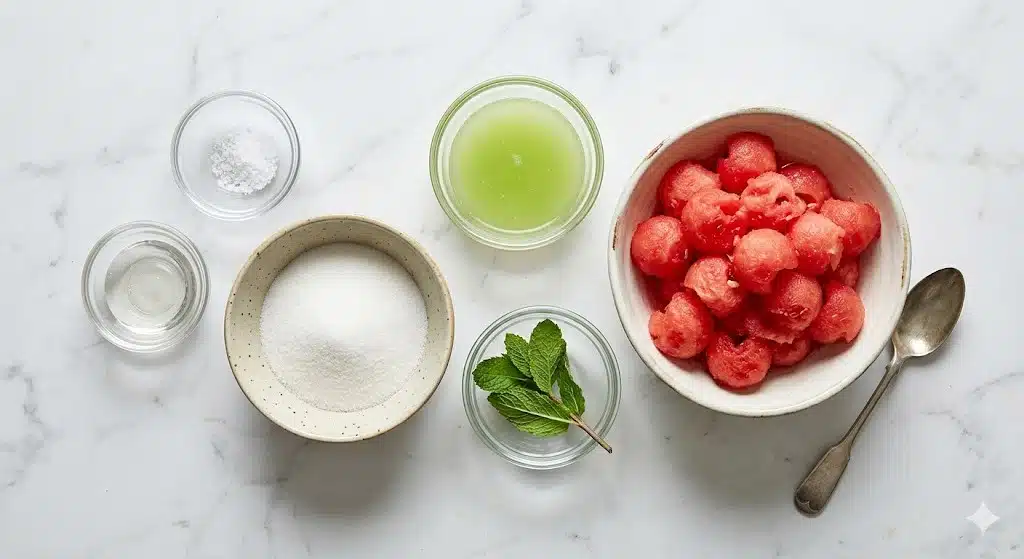
- About 4 cups watermelon, cubed and seeds removed (I use whatever’s nearly rolling off the counter, honestly; seedless is easier but use what you have)
- ⅓ cup sugar (sometimes I use honey, or agave syrup if I’m feeling fancy, and occasionally skip it if my watermelon is super sweet—but don’t tell my sugar-fiend cousin that!)
- 2 tablespoons fresh lime juice (lemon works too, if you’re out—or my neighbor swears by orange juice, but I find it a tad weird)
- Pinch of salt (optional, but trust me, it gives the flavor a little nudge)
Let’s Make It: My Sorbet Method, More or Less
- Start by cutting up your watermelon into cubes. Remove all the seeds—unlike my cousin who claims crunch is good for your teeth (I disagree, strongly). I fill a big bowl and just pop a few cubes in my mouth along the way.
- Toss the watermelon chunks onto a baking tray or large plate and stick it in the freezer for at least 2 hours, until solid-ish. Sometimes I forget and leave it overnight; doesn’t hurt at all.
- Once the watermelon is frozen, throw it into your blender or food processor. Add the sugar (or whatever sweetener you landed on), the lime juice, and that pinch of salt if you remembered it.
- Blend—start slow so you don’t wake the neighbors. You might have to stop a few times to poke at it, or add a bit of water (just a drizzle) if it’s stubborn. Don’t worry if it looks a bit slushy or uneven at first—one of those times you just gotta trust the process.
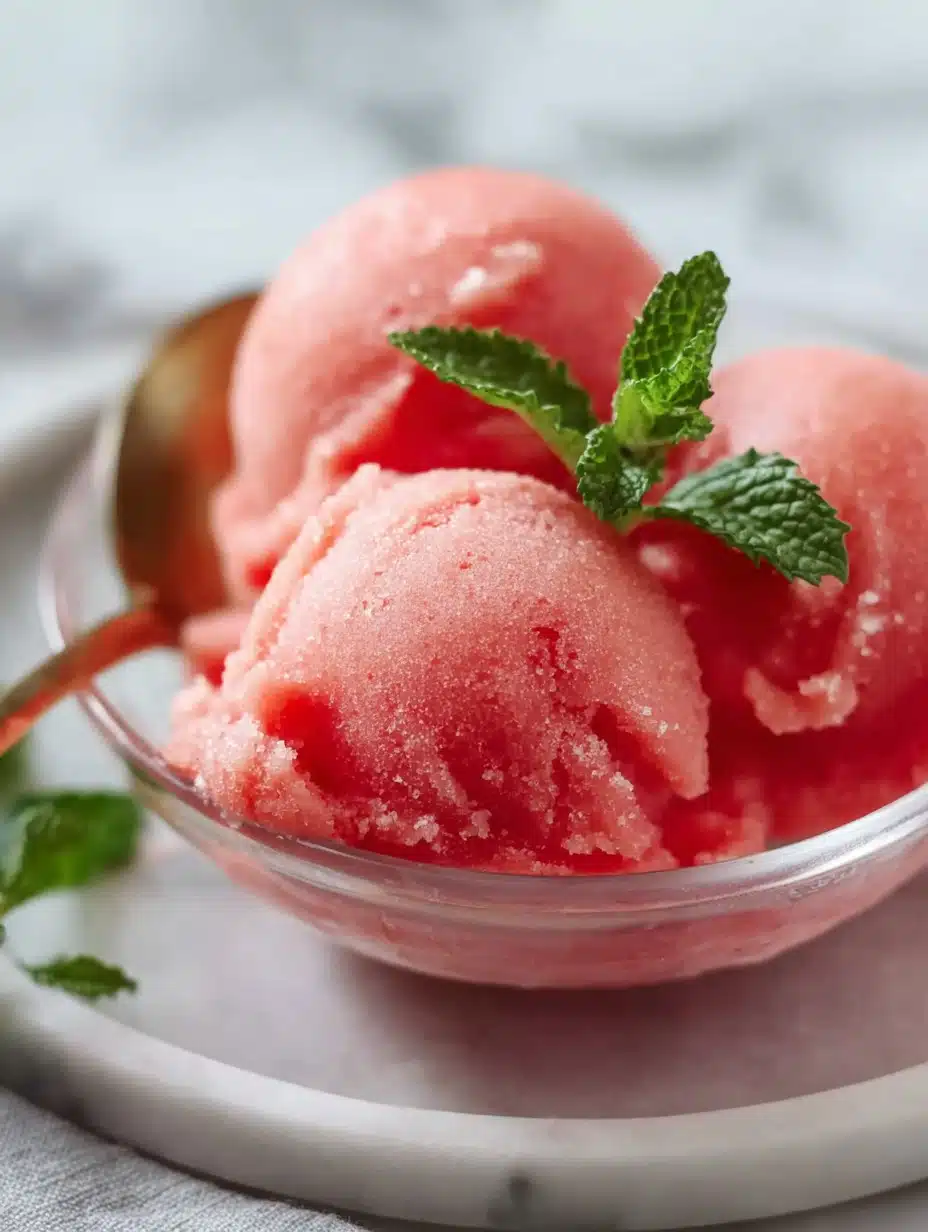
- Scoop it out and either serve immediately for a soft-serve vibe or dive in with a spoon, or scrape it into a container and freeze another hour or two to firm it up (this is where I always taste test, so quality control).

Some Notes From My Kitchen Experiments
- If your watermelon’s super sweet, you might want to skip the sugar. Or—actually, I find it works better if you taste before deciding.
- If the mixture seizes up and refuses to blend, I just wait five minutes—magic, it softens. Once I tried banging on the blender, but my partner did not approve.
- This sorbet is best day 1, but if it’s too hard later, let it sit at room temp for a few minutes. Or use a hot spoon!
Fun Variations I’ve Tried (And One I Regret)
- Add a handful of fresh mint before blending. Refreshing! My aunt says this makes it taste 'spa-like.'
- Replace half the watermelon with frozen strawberries (or whatever berry’s on sale). The color turns wild.
- Once I tried adding coconut milk—eh, didn’t love it. The texture went all wonky. Wouldn’t recommend unless you like weirdly creamy sorbet.

Don’t Have a Blender? Here’s What I Did Once—
You can mash the frozen watermelon with a fork and work in the sugar and juice (awkward, but not impossible). Texture’s more ‘granita’ than sorbet, but it scratches the itch. Or if your blender is one of those that needs a rest every thirty seconds, just pace yourself. Go have a cuppa while you wait.
Storing Watermelon Sorbet (Although, Good Luck)
Honestly, this barely ever survives past 24 hours in my fridge. If you’ve got leftovers, press plastic wrap right onto the surface before sealing with a lid—keeps out those weird freezer smells. After a few days it gets icy but still yummy, so don’t fret; just let it sit out before scooping.
Serving Up (How We Do It Around Here)
I love a scoop right into a cold bowl, preferably topped with a sprinkle of sea salt or extra lime. Some nights, I plop it on top of a waffle cone (the cheap ones, not the fancy bakery ones), or serve with a dash of tequila for the grown-ups. Oh, and sometimes my kid dunks animal crackers in it, which—oddly—works.
Lessons I've Learned (Sometimes The Hard Way)
- Don’t try to shortcut the freezing step unless sticky puddles sound appealing. I once blended warm watermelon, and, well, the result was basically a smoothie.
- Leaving the sorbet out too long before serving? Turns into slush city—eat soon after scooping!
- If you want tidier scoops, warm the scoop in hot water first. (Trust me, discovered after hacking at it like a lumberjack.)
Your Questions (And My Honestly Flawed Answers)
- Does it have to be seedless watermelon? Nope, but your blender might not thank you—just pick out the big black seeds. White ones are fine, honestly, but if you see a seed party happening, pause for a second and fish ‘em out.
- Can I use frozen pre-chopped watermelon? For sure! Less work. Chill time’s even shorter. Actually, I kind of prefer it.
- How do I make it less sweet? Use less sugar, or just don’t use sugar at all if your fruit is lovely. I adjust every time. Sometimes I forget and it’s on the tart side, but we eat it anyway.
- Can I double the recipe? Just make sure your blender can handle it. If not, split into two rounds—unless you’re up for a wild watermelon mess (been there…).
- What if I don’t have lime? Lemon’s decent, or even a splash of orange juice. But truthfully, lime’s my favorite.
That’s pretty much it. I hope your sorbet turns out just the way you like, or even better! And if it doesn’t, at least your kitchen will smell amazing for a while. Cheers to sticky hands and watermelon grins.
Ingredients
- About 4 cups watermelon, cubed and seeds removed (I use whatever’s nearly rolling off the counter, honestly; seedless is easier but use what you have)
- ⅓ cup sugar (sometimes I use honey, or agave syrup if I’m feeling fancy, and occasionally skip it if my watermelon is super sweet—but don’t tell my sugar-fiend cousin that!)
- 2 tablespoons fresh lime juice (lemon works too, if you’re out—or my neighbor swears by orange juice, but I find it a tad weird)
- Pinch of salt (optional, but trust me, it gives the flavor a little nudge)
Instructions
-
1Start by cutting up your watermelon into cubes. Remove all the seeds—unlike my cousin who claims crunch is good for your teeth (I disagree, strongly). I fill a big bowl and just pop a few cubes in my mouth along the way.
-
2Toss the watermelon chunks onto a baking tray or large plate and stick it in the freezer for at least 2 hours, until solid-ish. Sometimes I forget and leave it overnight; doesn’t hurt at all.
-
3Once the watermelon is frozen, throw it into your blender or food processor. Add the sugar (or whatever sweetener you landed on), the lime juice, and that pinch of salt if you remembered it.
-
4Blend—start slow so you don’t wake the neighbors. You might have to stop a few times to poke at it, or add a bit of water (just a drizzle) if it’s stubborn. Don’t worry if it looks a bit slushy or uneven at first—one of those times you just gotta trust the process.
-
5Scoop it out and either serve immediately for a soft-serve vibe or dive in with a spoon, or scrape it into a container and freeze another hour or two to firm it up (this is where I always taste test, so quality control).
Approximate Information for One Serving
Nutrition Disclaimers
Number of total servings shown is approximate. Actual number of servings will depend on your preferred portion sizes.
Nutritional values shown are general guidelines and reflect information for 1 serving using the ingredients listed, not including any optional ingredients. Actual macros may vary slightly depending on specific brands and types of ingredients used.
To determine the weight of one serving, prepare the recipe as instructed. Weigh the finished recipe, then divide the weight of the finished recipe (not including the weight of the container the food is in) by the desired number of servings. Result will be the weight of one serving.
Did you make this recipe?
Please consider Pinning it!