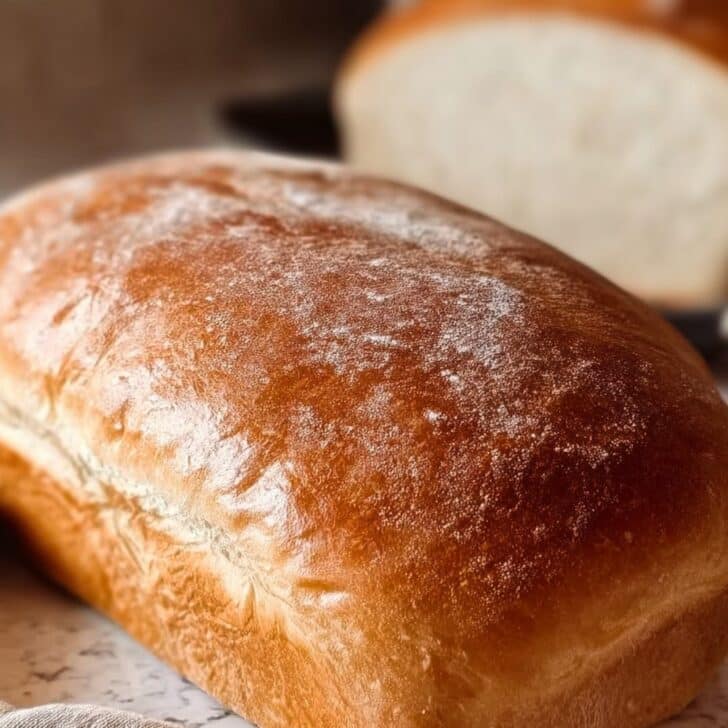
Let’s Chat About Homemade White Bread
So, funny story—one of the first things I ever baked totally solo was this white bread. I think I was about twelve, still barely tall enough to see over the kitchen bench, and probably more flour wound up in my hair than in the bowl. My mum found the results... let's say "rustic." Now, years (okay, decades!) later, it's become something of a tradition on weekends. I put on some music, maybe sing off-key, and let the whole house fill with that warm, comforting smell. Trust me, nobody complains—unless I forget the butter again!
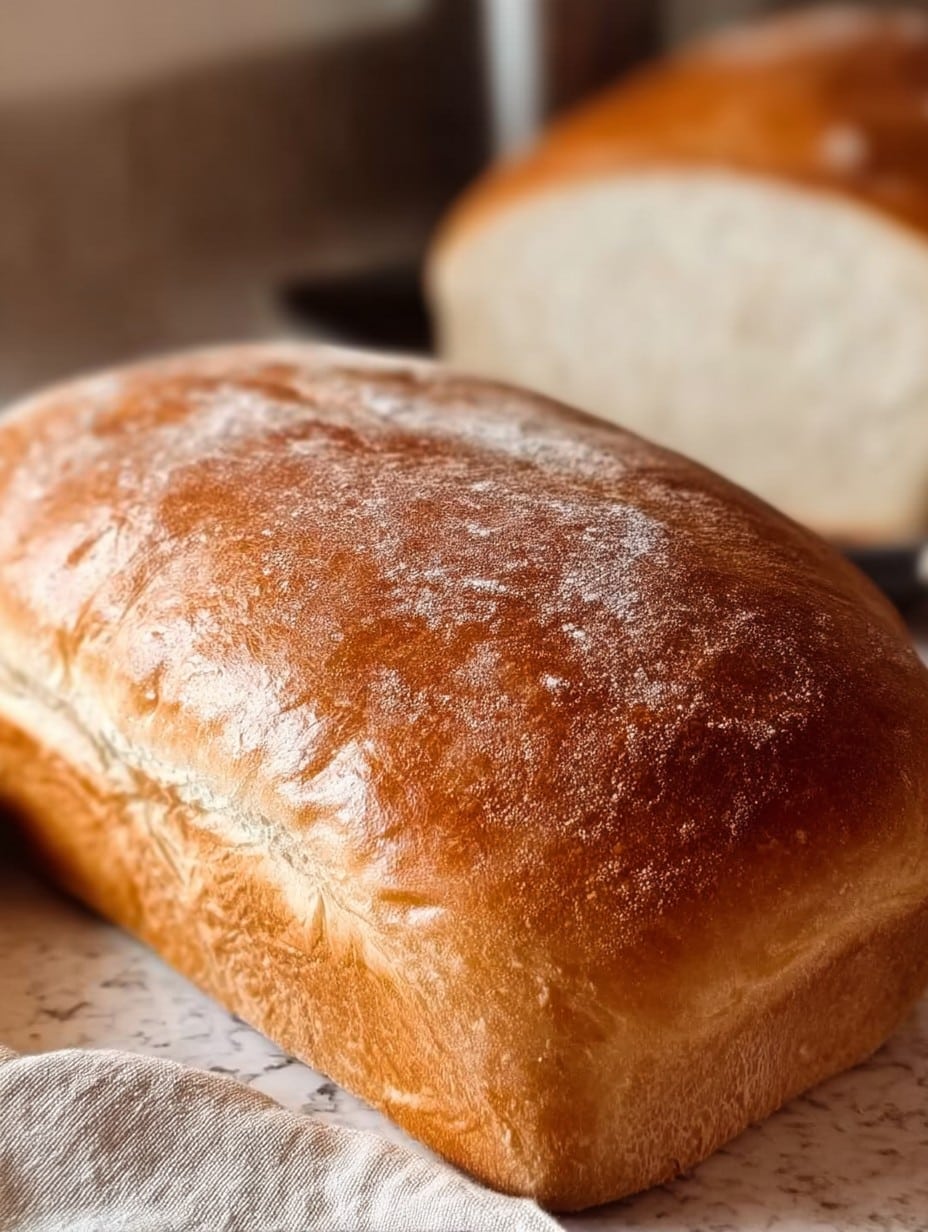
Why You'll Love This White Bread (Even If You Think Baking Is Tricky)
I make this when I want something cozy and simple, or when store-bought just won't cut it (somehow, it never tastes quite right once you've nailed your own loaf). My family goes a little bonkers for this because it's soft, holds up to even the messiest PB&Js, and tastes like, well, actual bread. Plus, I figured out how to avoid that brick-like middle—after several failed attempts, to be honest. If you’re like me and get a little impatient, don’t worry: This bread forgives a lot. And really, nothing beats a slice of this toasted with an embarrassing amount of butter.
Ingredients You’ll Need (Plus a Few Options)
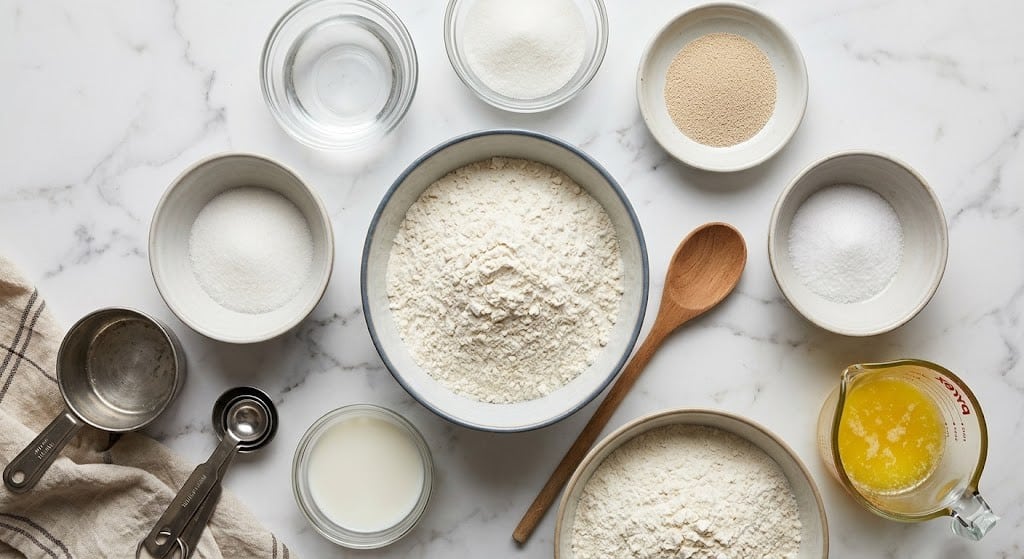
- 3 ½ cups all-purpose flour (sometimes I use bread flour if it's around but honestly, regular flour is just fine)
- 1 cup warm water (not hot—just warm enough you wouldn’t mind dipping your finger in)
- 2 tablespoons unsalted butter, melted (hey, I’ve used salted in a pinch, and nobody noticed)
- 2 tablespoons granulated sugar (my gran insisted on caster sugar, but eh, sugar is sugar here)
- 2 ¼ teaspoons active dry yeast (one of those little packets, if you don’t want to measure)
- 1 teaspoon salt
- Extra butter for brushing (optional, but I won’t stop you)
How I Actually Make This (and How You Can Too)
- Get the yeast going: Mix warm water and sugar together in a big bowl, sprinkle in the yeast, give it a little swirl, then leave it for about 5-10 minutes until it’s all frothy. If nothing happens...well, your water may have been too hot or the yeast might be ancient (been there, got annoyed).
- Add the good stuff: Dump in the melted butter and salt, then two cups of flour. Stir till it’s a goopy mess. Add more flour, half a cup at a time, until the dough comes together but is still slightly sticky.
- Kneading time: Dump it on a floured surface and knead for 7-10 minutes. Honestly, I set a timer. You want it smooth and stretchy—like soft playdough but less likely to end up ground into your carpet.
- First rise: Pop the dough in a clean bowl (I wipe mine out and butter it lightly, but that’s not essential), cover with a tea towel, and let it rise somewhere warm until it’s doubled. This usually takes about an hour. Don't worry if you peek and it’s not there yet; let it be patient—unlike me.
- Shape and second rise: Punch it down (very satisfying), shape into a loaf and plop into a buttered tin. Cover it back up and let it rise again for about 30-45 minutes, just till it looks proud and puffy.
- Bake: Warm up your oven to 180°C (350°F) and bake for 25-30 minutes, or until the top’s nicely golden and the loaf sounds a bit hollow if you knock it. This is where I usually sneak a taste of that crust corner if nobody’s watching.
- Butter brush extravaganza (optional): Right out of the oven, brush with a bit of butter for that shiny, soft top. Or don’t. It’s your bread.
- Cool: Wait at least 20 minutes before you slice (I know, agony), otherwise it squishes and all your effort sort of goes out the window. Actually, I find it slices better cool, but I never last that long.
Notes on What I’ve Learned (Sometimes the Hard Way!)
- If your loaf caves in as it cools, maybe you over-proofed. Or maybe the gremlins were just particularly hungry...
- I used to think you had to knead for ages, but actually, you can stop once it’s smooth—it doesn’t need to morph into a workout.
- Oven temps can be sneaky; mine runs hot so I check the bread 5 minutes early. Your mileage may vary.
Curious Tweaks and Tales of Bread Experiments
- Sometimes I throw in a handful of seeds or rolled oats on top (tasty, but they fall off everywhere, be warned).
- I tried tossing in some whole wheat flour once—it made for a pretty dense situation, not my favorite, but maybe you'll love it.
- If you want a sweeter vibe, add a dash more sugar—it sort of reminds me of Hawaiian bread that way.
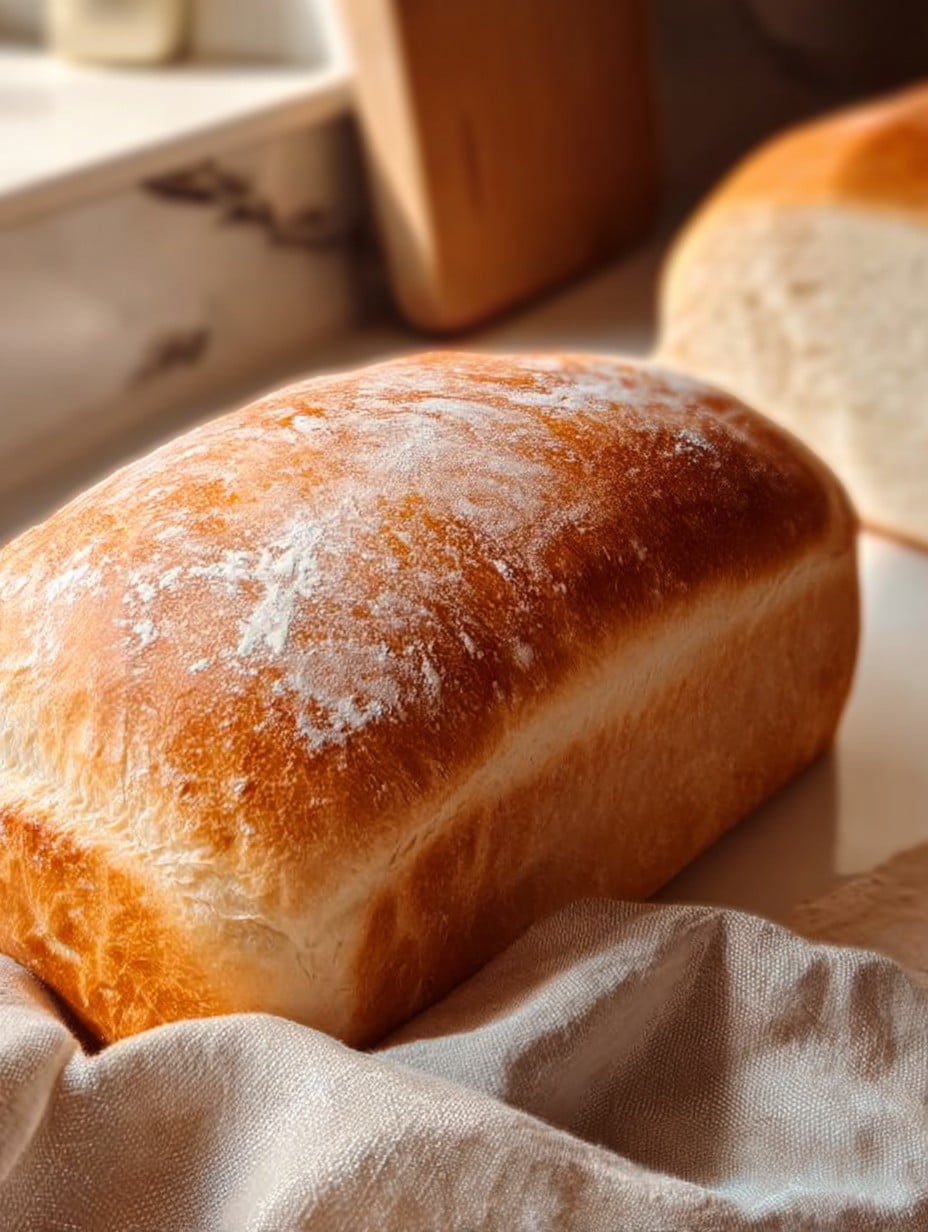
Handy Tools (and What to Do If You Don’t Have Them)
- A loaf tin (but honestly, I’ve free-formed it on a baking tray plenty of times—just makes it a bit rustic looking)
- Mixing bowl
- Wooden spoon or, if you’re feeling fancy, a stand mixer with the dough hook thingy
- Clean tea towel (in emergencies, I’ve used an old T-shirt...don’t tell anyone)
Storing Your Bread (Though It Never Lasts Long Here)
Wrap well in a clean towel or a bread bag and it should stay soft on your counter for two days—maybe three if you hide it at the back of the cupboard. It freezes brilliantly (slice it first, so you can pull out just what you need). But if your place is like mine, you’ll be searching the empty bread bag in 24 hours flat, wondering who nicked the last piece!
Serving Ideas: From Toasty to Fancy
I personally love a thick slab with a gooey fried egg on top, or smothered in berry jam when I’m feeling nostalgic. Sometimes, for a treat, we slice it and grill with cheese for the best toasties. My uncle always insists on using it for bread pudding, but I say, just eat it fresh and warm if you can.
A Few Hard-Earned Pro Tips
- I once tried rushing the rising because I was starving (bad idea, bread was sad and dense). Let it hang out, let it do it’s thing. Slow magic, you know?
- Don’t forget to oil your bowl—it doesn’t take long but saves a sticky mess later.
- On second thought, use whatever flour you have. The bread police aren’t coming for you.
Questions I’ve Actually Gotten About This Bread
- Can I use instant yeast instead of active dry?
- Sure, mate. Just throw it in with the flour—no need to proof.
- What if I want to double it?
- Go for it! Just be warned your arms might get tired kneading—unless you’ve got a strong helper.
- Help! My loaf is too pale.
- Give it a couple extra minutes. Sometimes all it needs is a bit longer, or maybe your oven’s just having a funny half-hour.
- Can I make this without a loaf tin?
- Yup, just form it into a sort-of log shape and bake on a tray; it’ll look “artisanal” (or lumpy, which is fine too).
- Is it really better the next day?
- I think so! But maybe it’s just me—it seems a bit sturdier and the flavor’s even nicer, if it lasts that long.
So there you have it—my very non-perfect, but much-loved recipe for the best white bread form scratch. Give it a go, and hey, if you end up with flour in your hair, just say it’s part of the experience!
Ingredients
- 3 ½ cups all-purpose flour (sometimes I use bread flour if it's around but honestly, regular flour is just fine)
- 1 cup warm water (not hot—just warm enough you wouldn’t mind dipping your finger in)
- 2 tablespoons unsalted butter, melted (hey, I’ve used salted in a pinch, and nobody noticed)
- 2 tablespoons granulated sugar (my gran insisted on caster sugar, but eh, sugar is sugar here)
- 2 ¼ teaspoons active dry yeast (one of those little packets, if you don’t want to measure)
- 1 teaspoon salt
- Extra butter for brushing (optional, but I won’t stop you)
Instructions
-
1Get the yeast going: Mix warm water and sugar together in a big bowl, sprinkle in the yeast, give it a little swirl, then leave it for about 5-10 minutes until it’s all frothy. If nothing happens...well, your water may have been too hot or the yeast might be ancient (been there, got annoyed).
-
2Add the good stuff: Dump in the melted butter and salt, then two cups of flour. Stir till it’s a goopy mess. Add more flour, half a cup at a time, until the dough comes together but is still slightly sticky.
-
3Kneading time: Dump it on a floured surface and knead for 7-10 minutes. Honestly, I set a timer. You want it smooth and stretchy—like soft playdough but less likely to end up ground into your carpet.
-
4First rise: Pop the dough in a clean bowl (I wipe mine out and butter it lightly, but that’s not essential), cover with a tea towel, and let it rise somewhere warm until it’s doubled. This usually takes about an hour. Don't worry if you peek and it’s not there yet; let it be patient—unlike me.
-
5Shape and second rise: Punch it down (very satisfying), shape into a loaf and plop into a buttered tin. Cover it back up and let it rise again for about 30-45 minutes, just till it looks proud and puffy.
-
6Bake: Warm up your oven to 180°C (350°F) and bake for 25-30 minutes, or until the top’s nicely golden and the loaf sounds a bit hollow if you knock it. This is where I usually sneak a taste of that crust corner if nobody’s watching.
-
7Butter brush extravaganza (optional): Right out of the oven, brush with a bit of butter for that shiny, soft top. Or don’t. It’s your bread.
-
8Cool: Wait at least 20 minutes before you slice (I know, agony), otherwise it squishes and all your effort sort of goes out the window. Actually, I find it slices better cool, but I never last that long.
Approximate Information for One Serving
Nutrition Disclaimers
Number of total servings shown is approximate. Actual number of servings will depend on your preferred portion sizes.
Nutritional values shown are general guidelines and reflect information for 1 serving using the ingredients listed, not including any optional ingredients. Actual macros may vary slightly depending on specific brands and types of ingredients used.
To determine the weight of one serving, prepare the recipe as instructed. Weigh the finished recipe, then divide the weight of the finished recipe (not including the weight of the container the food is in) by the desired number of servings. Result will be the weight of one serving.
Did you make this recipe?
Please consider Pinning it!