
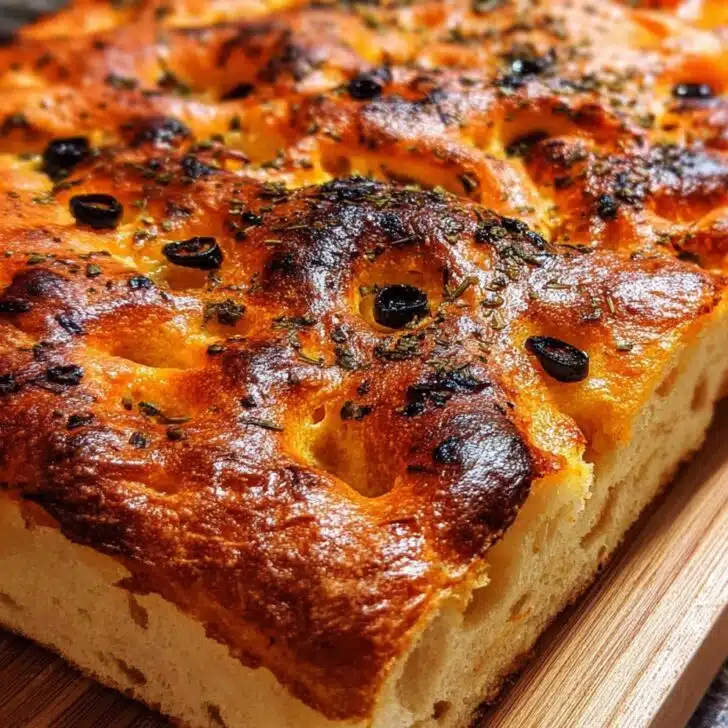
Sourdough Discard Focaccia Bread – A True Weeknight Glow Up
Let's just get this out of the way: I used to glare at my jar of Sourdough Discard the same way I look at that one sock that comes out of the dryer without its twin–with mild annoyance and not a clue what to do next. One rainy Tuesday I got bold (probably thanks to too much coffee), threw caution to the wind, and whipped up this Sourdough Discard Focaccia Bread. Friend, it was a game changer. Now, whenever my starter gets a haircut, I don’t dump the trimmings—I bake focaccia. And my kitchen smells like a sun-kissed Italian village, which isn’t bad either.
Why You'll Love This (No, Really)
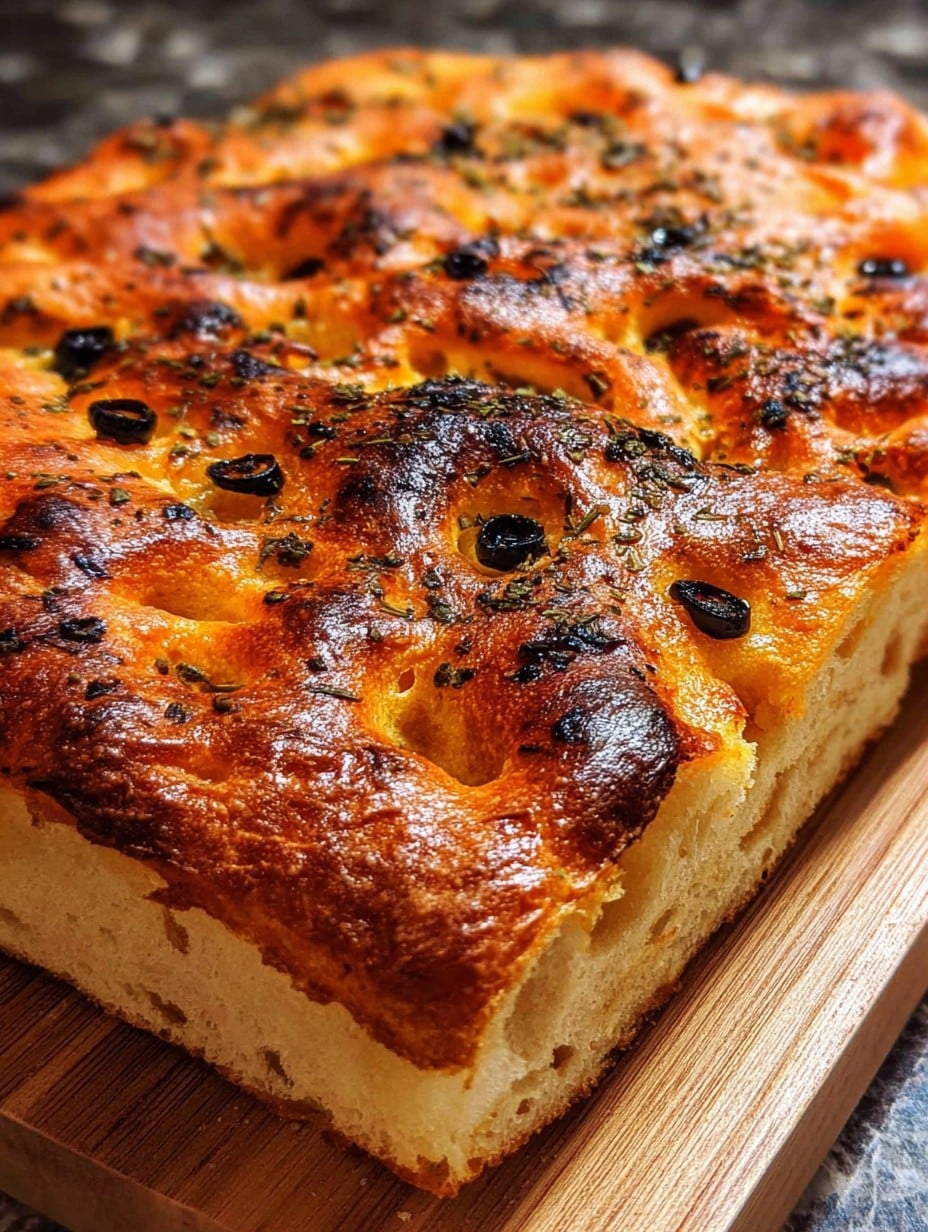
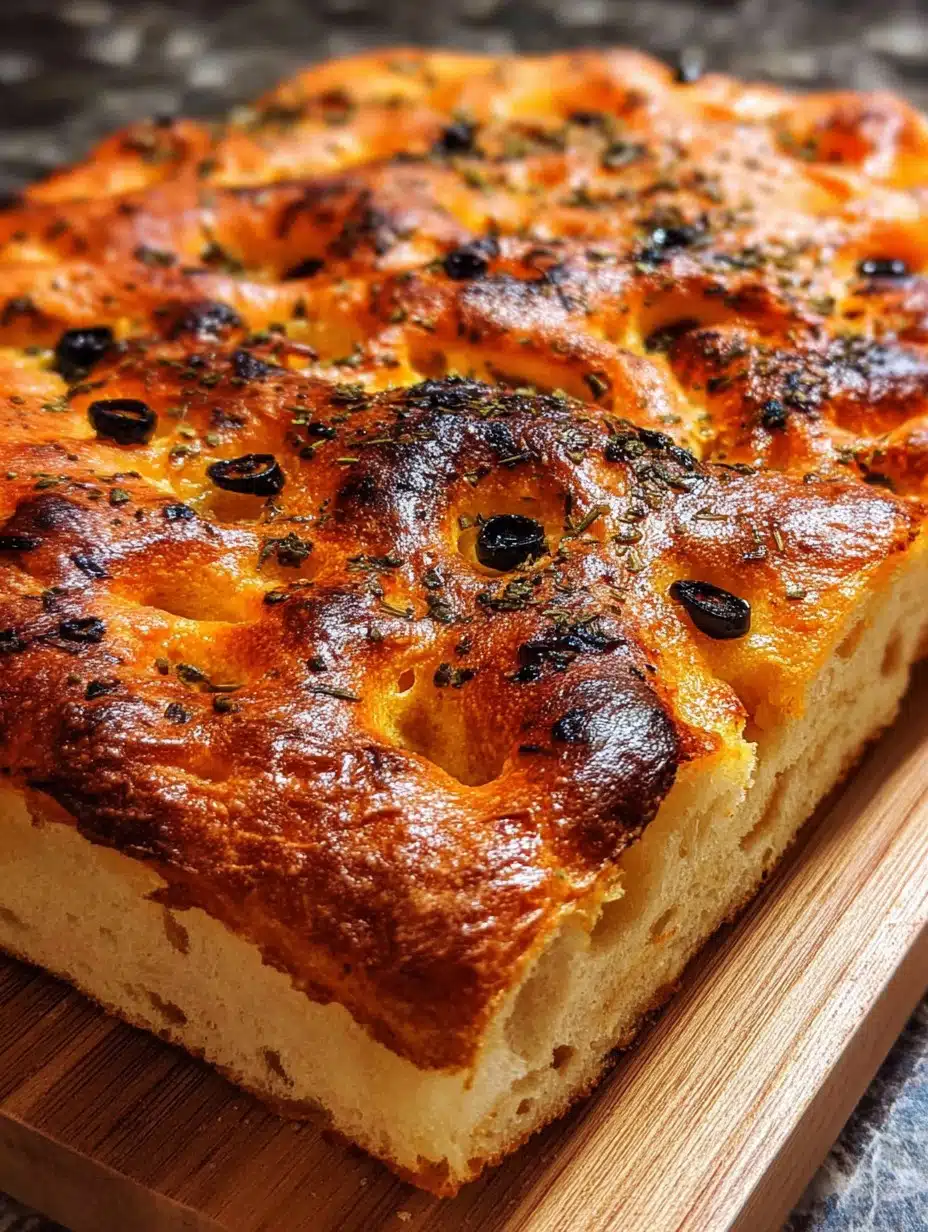
I pull this recipe out whenever I want my house to smell amazing and my family to descend on the kitchen like seagulls near chips. It's phenomenal as an appetizer, for sopping up stews, or as the backdrop for a mountain of tomatoes (in August, when I can't keep up with the garden). I sometimes make it as a peace offering after an especially creative kitchen flop. Or just...because. It's forgiving (mostly), doesn't demand much, and—I'll admit it—I sometimes snack on the crispy corners before it makes it to the table.
What You'll Need (and a Few Sub-ins)
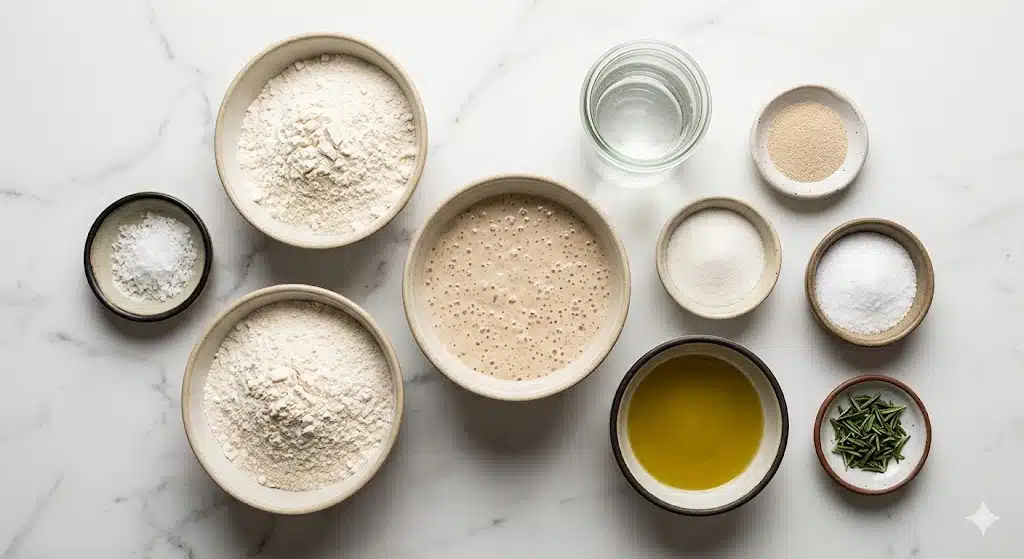
- 2 cups (250g) all-purpose flour (I’ve swapped in bread flour, or gone halfsies with whole wheat—works fine, just a bit sturdier)
- 1 cup (240g) sourdough discard, unfed and bubbly-ish (I mean, if it’s a bit lazy, that’s okay too)
- ¾ cup warm water (sometimes I forget and use cold—it just takes a touch longer to rise, shrug)
- 2 tablespoons olive oil, plus more for greasing and drizzling (good olive oil’s nice, but honestly, any will do)
- ¾ teaspoon salt
- 1 teaspoon sugar or honey (sometimes I skip this if I’m out—it’s still good, just less brown)
- 2 teaspoons instant yeast (optional, but my bread’s always fluffier with it—when I’m feeling patient, I let the sourdough do it solo)
- A sprinkle of flaky sea salt for topping (not totally necessary, but come on—just do it)
- Fresh rosemary, chopped (totally optional but I love it—thyme or oregano also good, or…no herbs and let the bread shine)
Let’s Bake! (Casual Directions Ahead)
- Stir together your flour, sourdough discard, warm water, olive oil, salt, sugar (or honey) and yeast (if you’re using it) in a big bowl. I like to start with a spoon, but sooner or later I just use my hands. If it’s too sticky, I add a spoonful of flour (not too much, or it gets tough). If it’s shaggy and weird, trust the process.
- Cover it up with a damp towel or cling film and let it hang out for about 1 hour (or up to 2, if you forgot about it). The dough gets puffy but not necessarily doubled—totally normal.
- Splash a glug of olive oil into a 9x13 inch baking pan (sometimes I use my grandma’s battered old sheet pan—just oil it well). Plop the dough into the pan, and with oily fingers, stretch it out roughly to the edges. Don’t worry if it’s bumpy or doesn’t reach the corners—mine never does, at first.
- Let it rise again, uncovered, for about 30 minutes (sometimes mine rises for an hour if I lose track). It’s forgiving! Meanwhile, preheat the oven to 425°F (220°C). I usually forget this step and have to wait around—so maybe set a phone reminder?
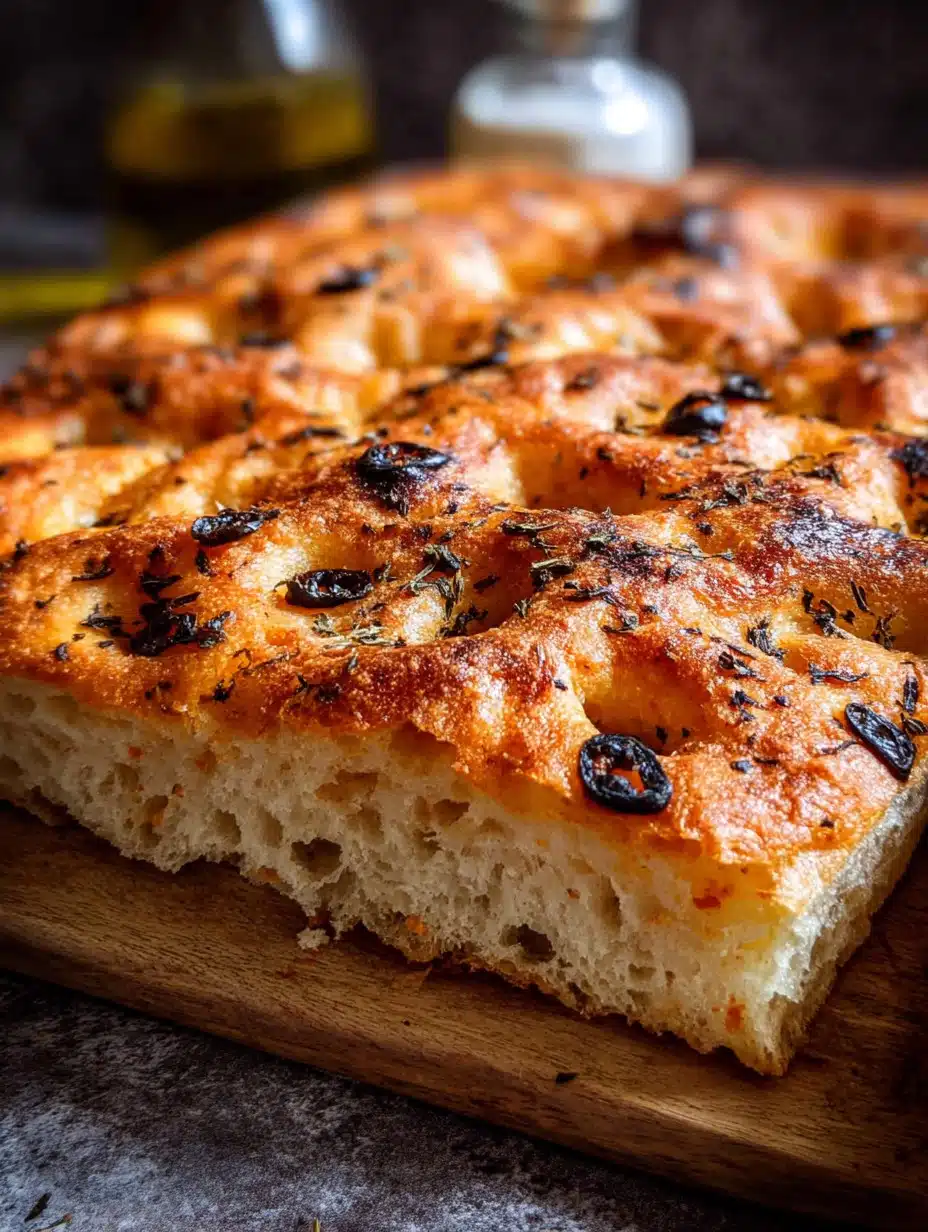
- With fingertips, poke deep dimples all over the dough—like you’re dotting soft sand. Drizzle on more olive oil (generous is best), sprinkle with flaky sea salt, and shower with rosemary (or not).
- Bake for 22–26 minutes, until golden on top and scrumptiously crispy at the edges. The smell will announce it’s time—it’s kind of impossible to ignore, actually. Resist the urge to hack at it immediately (burned tongue: ask me how I know)
- Let it cool for at least 10 minutes, then slice, tear or hack it up however you like (corners for me, center bits for the kids).

A Few Notes from My Stray-Thought Brain
- If you use only sourdough discard—no commercial yeast—it’ll take much longer to rise. Sometimes I mix it, sometimes not. If the dough seems sluggish, a warm spot (top of the fridge? running dishwasher?) helps a bunch.
- This dough is a sticky beast. Resist the urge to add lots of flour or it’ll be dense. Trust the stickiness (oddly metaphorical, right?).
- I once totally forgot the salt. It tasted…flat but we still ate it. Never again, though!
Some Focaccia Experiments I've Tried (Or, Variations That Sometimes Work)
- Tomato & Garlic: I pile halved cherry tomatoes and thin garlic slices on top before baking. Addictive.
- Cheesy Vibes: Parmesan or pecorino sprinkled over the top. Absolutely not subtle, but my teenager thinks it’s peak bread.
- Whole Wheat: Swapped half the flour for whole wheat. Tasted hearty, but on second thought, a bit too dense if you go full whole wheat. I tried that once… mmm, nope.
- Stuffed: Sandwiched olives in the center once. Was it worth the extra mess? Debatable!

Equipment—But Don’t Panic
- Mixing bowl (I often use a salad bowl. No shame!)
- 9x13 inch pan or any rimmed baking sheet (bigger sheet gives you thinner, crisper bread, which is my favorite for soup dipping)
- Measuring cups—they don’t have to match. "That mug" works in a pinch.
- A good splash of courage and some oily hands.
Storing Leftovers (Not That They Stick Around)
So, yes, theoretically you can store leftover focaccia in an airtight container at room temp for 1–2 days. Refresh in a warm oven—smells almost as good as the first bake. But honestly, it’s usually gone by breakfast at my house. If, by some miracle, you have lots left, freeze slices in a zip bag. Toast from frozen (best with soup at lunch the next day!).
If You Want to Serve Like Me...
I’m all for tearing off hunks and dunking in balsamic-olive oil puddles. Or slice horizontally for sandwich bread (mortadella, roasted peppers, maybe some sharp cheddar—oh man). As a side with soups, it’s the bread equivalent of a bear hug.
Lived-and-Learned Pro Tips
- I once tried to rush the rise because I was running late—it was pale and meh. Patience, mate.
- If you skimp on olive oil, you’ll miss the crispy bottom and regret every bite (or at least, I did).
- Once, I tore the dough stretching it in the pan. I just patched it together—no harm, no foul.
FAQ—Because People Actually Ask
- Can I leave it overnight? Yep—just cover tightly and stick in the fridge. The flavor’s even deeper. Next day, bring up to room temp before baking, or it’ll sulk in the oven.
- Do I have to use discard that’s super active? Honestly, I’ve used tired, old discard and it’s fine—focaccia’s chill about it.
- Can I double this? Totally—though you might need an extra pan or two. Or just invite the neighbors.
- Do I need a stand mixer? Nah. I use a regular bowl and my grotty wooden spoon (or my hands when the mood strikes).
- Why does my dough look so weird before baking? That’s normal! It relaxes after the second rise, just like you after a good cup of tea.
- And, hey, if you ever come up with a new topping that rocks, let me know. I’m always game to tinker.
Oh—and if you notice a few crumbs on the counter after you’re done, just call it rustic charm. Life’s too short for a spotless kitchen.
Ingredients
- 2 cups (250g) all-purpose flour (I’ve swapped in bread flour, or gone halfsies with whole wheat—works fine, just a bit sturdier)
- 1 cup (240g) sourdough discard, unfed and bubbly-ish (I mean, if it’s a bit lazy, that’s okay too)
- ¾ cup warm water (sometimes I forget and use cold—it just takes a touch longer to rise, shrug)
- 2 tablespoons olive oil, plus more for greasing and drizzling (good olive oil’s nice, but honestly, any will do)
- ¾ teaspoon salt
- 1 teaspoon sugar or honey (sometimes I skip this if I’m out—it’s still good, just less brown)
- 2 teaspoons instant yeast (optional, but my bread’s always fluffier with it—when I’m feeling patient, I let the sourdough do it solo)
- A sprinkle of flaky sea salt for topping (not totally necessary, but come on—just do it)
- Fresh rosemary, chopped (totally optional but I love it—thyme or oregano also good, or…no herbs and let the bread shine)
Instructions
-
1Stir together your flour, sourdough discard, warm water, olive oil, salt, sugar (or honey) and yeast (if you’re using it) in a big bowl. I like to start with a spoon, but sooner or later I just use my hands. If it’s too sticky, I add a spoonful of flour (not too much, or it gets tough). If it’s shaggy and weird, trust the process.
-
2Cover it up with a damp towel or cling film and let it hang out for about 1 hour (or up to 2, if you forgot about it). The dough gets puffy but not necessarily doubled—totally normal.
-
3Splash a glug of olive oil into a 9x13 inch baking pan (sometimes I use my grandma’s battered old sheet pan—just oil it well). Plop the dough into the pan, and with oily fingers, stretch it out roughly to the edges. Don’t worry if it’s bumpy or doesn’t reach the corners—mine never does, at first.
-
4Let it rise again, uncovered, for about 30 minutes (sometimes mine rises for an hour if I lose track). It’s forgiving! Meanwhile, preheat the oven to 425°F (220°C). I usually forget this step and have to wait around—so maybe set a phone reminder?
-
5With fingertips, poke deep dimples all over the dough—like you’re dotting soft sand. Drizzle on more olive oil (generous is best), sprinkle with flaky sea salt, and shower with rosemary (or not).
-
6Bake for 22–26 minutes, until golden on top and scrumptiously crispy at the edges. The smell will announce it’s time—it’s kind of impossible to ignore, actually. Resist the urge to hack at it immediately (burned tongue: ask me how I know)
-
7Let it cool for at least 10 minutes, then slice, tear or hack it up however you like (corners for me, center bits for the kids).
Approximate Information for One Serving
Nutrition Disclaimers
Number of total servings shown is approximate. Actual number of servings will depend on your preferred portion sizes.
Nutritional values shown are general guidelines and reflect information for 1 serving using the ingredients listed, not including any optional ingredients. Actual macros may vary slightly depending on specific brands and types of ingredients used.
To determine the weight of one serving, prepare the recipe as instructed. Weigh the finished recipe, then divide the weight of the finished recipe (not including the weight of the container the food is in) by the desired number of servings. Result will be the weight of one serving.
Did you make this recipe?
Please consider Pinning it!