

Let’s Make a Royal Icing Cookie Set (Without Losing Your Mind)
Alright, friend, confession time: the first time I tried making a royal icing cookie set, it ended up looking more like a Jackson Pollock than anything Pinterest-worthy. Seriously—I remember texting my sister a photo and she asked if the dog had decorated them. But! I've picked up a trick or two (or seven) along the way, and I actually look forward to this whole process now, even if my counters end up covered in more powdered sugar than the actual cookies.


This is the recipe I keep coming back to when birthdays roll around, or, let’s be honest, when I just need an excuse to buy more cookie cutters. I like decorating with my niece—she’s six, and honestly, she puts my piping to shame some days. Anyway, have you ever accidentally tried eating royal icing before it was dry? Don’t. It’s like edible glue. Wait. Just trust me.
Why I Keep Coming Back To These Cookies
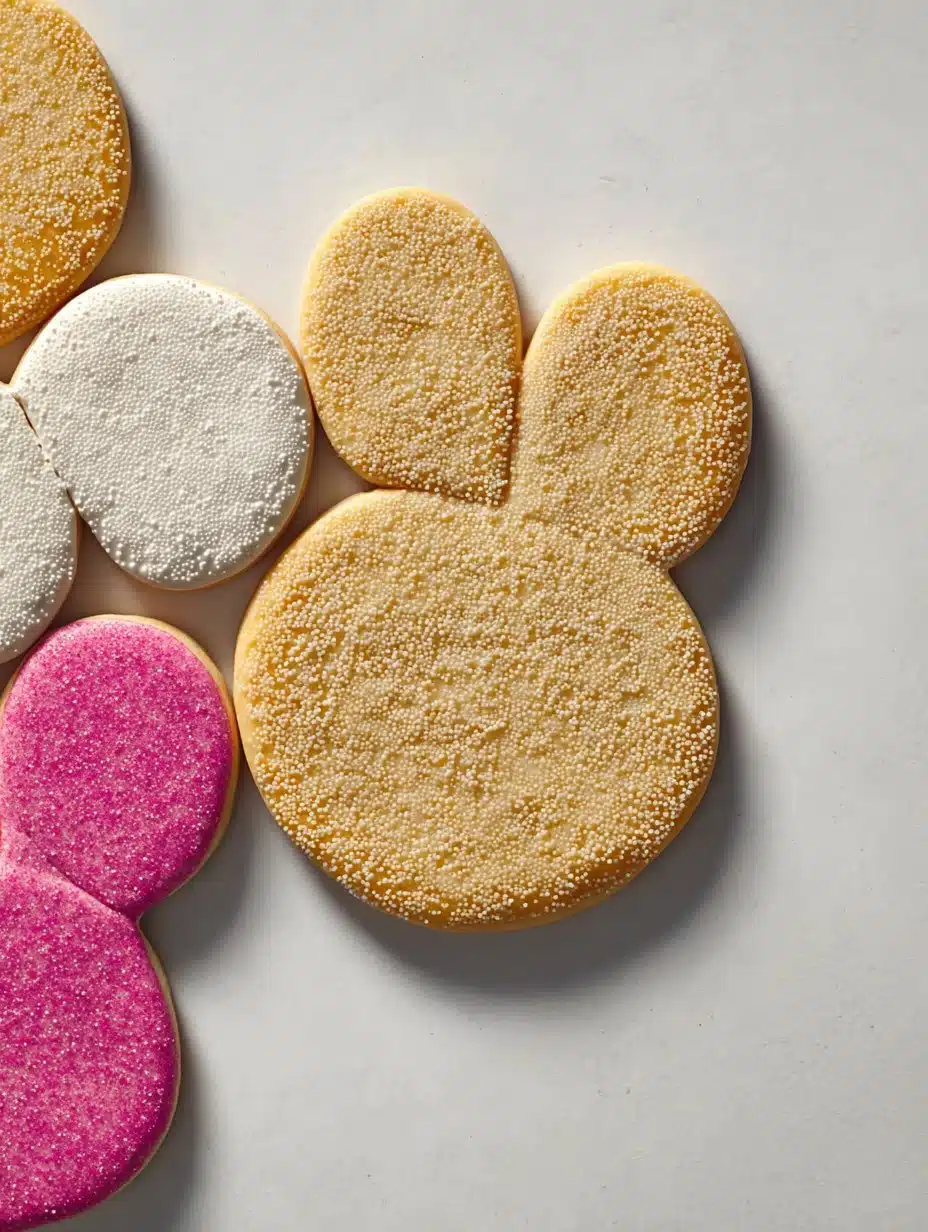
I make this royal icing cookie set when I want to feel like I’ve got my life together (even if it’s just for show). My family loses their marbles over these, probably because you can decorate them for literally any occasion—unicorns or footballs or random shapes, whatever you’ve got lying around. The icing dries shiny and hard, so if you want to get fancy with colors and sprinkles, this stuff holds up.
Sometimes the process feels... a bit much (read: measuring egg whites is not exactly relaxing), but decorating is really fun when you just lean in to the chaos. Once, I tried to shortcut the drying time with a hairdryer—note to self: warm icing just...melts. Oops.
Gather Your Ingredients (Substitutions Welcome!)
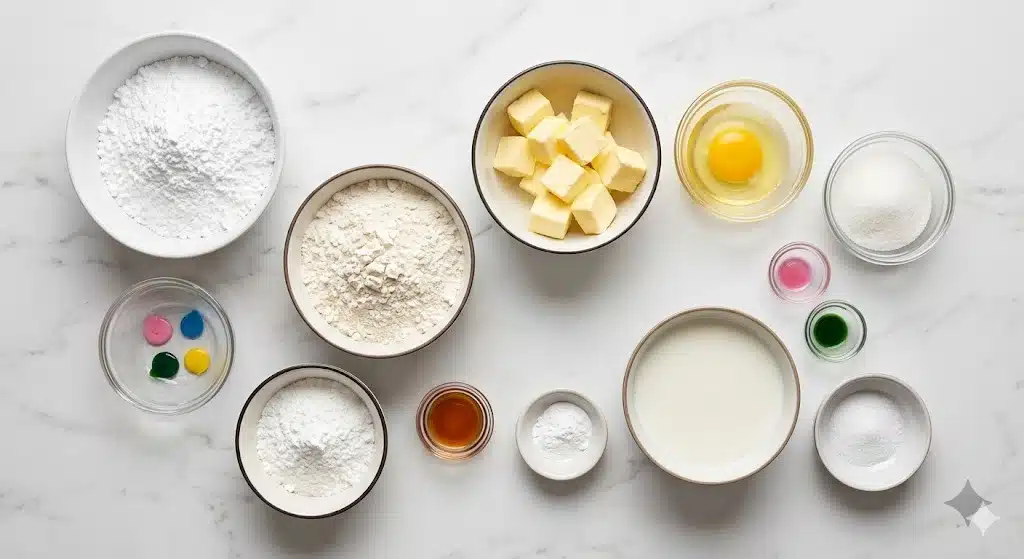
- 3 cups (360g) all-purpose flour (but I’ve swapped in a 1:1 gluten-free blend for my cousin and it worked a treat)
- ¾ teaspoon baking powder
- ¼ teaspoon salt (I use flaky sea salt sometimes because I like a little crunch)
- 1 cup (227g) unsalted butter, softened (Salted butter is just fine, just skip the extra salt, really no one notices)
- 1 cup (200g) granulated sugar (Brown sugar makes these a bit chewier if you like that, although they won't be quite as neat for decorating)
- 1 large egg (One time I used two medium eggs, and it was fine—just a tad softer)
- 1 teaspoon vanilla extract (Almond extract is also lovely, if you want to change it up)
- For the royal icing: 4 cups (480g) powdered sugar, sifted
- 3 tablespoons meringue powder (Wilton brand seems fanciest, but others work too—grandma probably used egg whites, but I'm not brave)
- 6-8 tablespoons water, plus more as needed
- Gel food coloring (I’ve tried liquid in a pinch, but it makes icing runny—use more sugar to correct)
Casual Directions (With Tangents!)
- Start by whisking together your flour, baking powder, and salt in a bowl. This is the boring bit, but honestly I just throw them into my big mixing bowl and sort of swoosh them around (with clean hands!).
- Next up, cream the softened butter and sugar together until it turns pale and fluffy. Stand mixers do this in no time, but elbow grease is also valid; I once used a wooden spoon for ten minutes and counted it as my arm workout for the day.
- Beat in your egg and vanilla (or almond, if you’re fancy). At this stage, don’t worry if it looks a bit split or weird – once you add flour, it pulls together.
- Fold the dry ingredients into the wet, gradually. I do this in three goes – less flying flour in my hair that way. The dough should be soft but not sticky. If it’s too sticky, pop it in the fridge for 20 minutes or so.
- Roll the dough between two sheets of parchment (less mess, less sticking). Aim for about ¼-inch thick, but I’ve totally eye-balled it before and it was still fine.
- Cut out your favourite shapes, plonk them on a baking sheet lined with parchment (note: silicone mats are great, but parchment works!). Gather dough scraps, roll again, repeat.
- Chill the cut shapes in the fridge for 20–30 minutes. This helps them keep their shape—skipping this step often results in cookies that look like vague blobs. Trust me, I learned the hard way.
- Bake at 350°F (175°C) for 8–12 minutes, depending on size; you want the edges barely golden. Small ones are done faster (watch them close!). Cool completely—seriously, the icing will melt if you rush.
- For the icing: In a big bowl, beat together powdered sugar, meringue powder, and 6 tablespoons water. Add water little by little as needed; you’re looking for a thick but pipeable consistency. If it’s too thin, add more sugar. If it’s too thick, more water. (Actually, sometimes I just use a fork to test the 'ribbons')
- Divide icing into bowls and tint with gel food coloring—there’s no science here, just squeeze, stir, and adjust. Cover bowls with cling film so it doesn't dry out and turn to cement.
- Spoon icing into piping bags (or a zip-top bag with the corner snipped). Outline cookies, then 'flood' with runnier icing if you like—use a toothpick or skewer to spread. There’s a sweet spot for thickness; too thick and it sits up like little walls, too thin and it runs off the sides. You’ll get the hang of it.
- Let decorated cookies dry, uncovered, for at least 8 hours—overnight is best. I’ve tried stacking them too early before and… let’s just say, don’t. The colors smudge together in a way that looks a bit tie-dye, but not in a cool way.

Things I Learned (Sometimes the Hard Way)
- If your icing is too lumpy, sift your powdered sugar. I didn’t, once. Never again.
- If you forget to chill the cookies before baking, prepare for shape-shifting cookies. Not necessarily a bad thing, unless you’re very committed to your stars being, well, star-shaped.
- Don’t store decorated cookies in a humid spot—they get sticky and weird. Closet > by the window, in my experience.
Fun Variations I’ve Actually Tried
- Chocolate sugar cookies (just swap ½ cup flour for cocoa powder)
- Add citrus zest to the dough for a little zing
- I once tried using honey in the icing instead of water for a floral hint, but... it made the icing a bit too runny and sticky. Maybe don't do that (unless you like sticky fingers!).

What You’ll Need (And What To Do If You Don’t Have It)
- Large mixing bowl
- Electric mixer (or a heavy-duty spoon and some patience)
- Cookie cutters—though, honestly, a drinking glass or a jar lid works alright in a pinch
- Parchment paper or silicone baking mats (but I’ve baked on an upside-down paper bag before—desperate measures!)
- Piping bags (or a regular ziplock with the corner snipped, works nearly as well)
How To Store Them (If You Manage Not To Eat Them All)
I keep finished cookies in an airtight tin at room temp; they're good for about a week, but honestly, in my house they never survive past day two. If you’re feeling fancy, slip wax paper between layers. Freezing works, too, but I think the icing gets a bit hazy afterwards. Up to you.
How We Serve Them (And Sometimes Sneak Them)
We usually set these out at family get-togethers, but honestly, I just love them with a cup of tea at 3 PM—preferably when no one else is looking. Sometimes we tie them up in little cellophane bags and give them away (my daughter once tried to barter them for an extra recess—crafty kid).
What I Wish I’d Known (So You Don’t Have To Learn The Hard Way)
- If you rush the drying, you’ll regret it—once I tried stacking them too soon and wound up with a rainbow mess. Just be patient (yeah, I know...).
- Go easy on the food coloring. One time I got a bit carried away, and we had cookies that looked suspiciously like Smurfs. A little goes a long way.
Questions Real Friends Have Actually Asked Me
- Can I use fresh egg whites instead of meringue powder? I mean, technically yes, but honestly it’s fussier, and I’ve had mixed results. If you do try, use pasteurized egg whites so you don’t freak people out.
- How long does the icing take to harden? Usually overnight is safest, but if your kitchen’s really dry, maybe 8 hours. But—and here’s a big but—humidity will slow it down.
- Can I freeze decorated cookies? Yeah, you can! They lose their sheen a wee bit, but taste just fine. Wrap them well, though.
- Is there an easy way to fix runny icing? Add more powdered sugar, a tablespoon at a time—don’t panic, lots of us have ended up with cookie puddles once or twice.
- My cookies turned out hard—what happened? Overbaking is usually the culprit, or maybe the dough was rolled too thin. I’ve done both. Dunk ‘em in tea and all is forgiven.
Ingredients
- 3 cups (360g) all-purpose flour (but I’ve swapped in a 1:1 gluten-free blend for my cousin and it worked a treat)
- ¾ teaspoon baking powder
- ¼ teaspoon salt (I use flaky sea salt sometimes because I like a little crunch)
- 1 cup (227g) unsalted butter, softened (Salted butter is just fine, just skip the extra salt, really no one notices)
- 1 cup (200g) granulated sugar (Brown sugar makes these a bit chewier if you like that, although they won't be quite as neat for decorating)
- 1 large egg (One time I used two medium eggs, and it was fine—just a tad softer)
- 1 teaspoon vanilla extract (Almond extract is also lovely, if you want to change it up)
- For the royal icing: 4 cups (480g) powdered sugar, sifted
- 3 tablespoons meringue powder (Wilton brand seems fanciest, but others work too—grandma probably used egg whites, but I'm not brave)
- 6-8 tablespoons water, plus more as needed
- Gel food coloring (I’ve tried liquid in a pinch, but it makes icing runny—use more sugar to correct)
Instructions
-
1Start by whisking together your flour, baking powder, and salt in a bowl. This is the boring bit, but honestly I just throw them into my big mixing bowl and sort of swoosh them around (with clean hands!).
-
2Next up, cream the softened butter and sugar together until it turns pale and fluffy. Stand mixers do this in no time, but elbow grease is also valid; I once used a wooden spoon for ten minutes and counted it as my arm workout for the day.
-
3Beat in your egg and vanilla (or almond, if you’re fancy). At this stage, don’t worry if it looks a bit split or weird – once you add flour, it pulls together.
-
4Fold the dry ingredients into the wet, gradually. I do this in three goes – less flying flour in my hair that way. The dough should be soft but not sticky. If it’s too sticky, pop it in the fridge for 20 minutes or so.
-
5Roll the dough between two sheets of parchment (less mess, less sticking). Aim for about ¼-inch thick, but I’ve totally eye-balled it before and it was still fine.
-
6Cut out your favourite shapes, plonk them on a baking sheet lined with parchment (note: silicone mats are great, but parchment works!). Gather dough scraps, roll again, repeat.
-
7Chill the cut shapes in the fridge for 20–30 minutes. This helps them keep their shape—skipping this step often results in cookies that look like vague blobs. Trust me, I learned the hard way.
-
8Bake at 350°F (175°C) for 8–12 minutes, depending on size; you want the edges barely golden. Small ones are done faster (watch them close!). Cool completely—seriously, the icing will melt if you rush.
-
9For the icing: In a big bowl, beat together powdered sugar, meringue powder, and 6 tablespoons water. Add water little by little as needed; you’re looking for a thick but pipeable consistency. If it’s too thin, add more sugar. If it’s too thick, more water. (Actually, sometimes I just use a fork to test the 'ribbons')
-
10Divide icing into bowls and tint with gel food coloring—there’s no science here, just squeeze, stir, and adjust. Cover bowls with cling film so it doesn't dry out and turn to cement.
-
11Spoon icing into piping bags (or a zip-top bag with the corner snipped). Outline cookies, then 'flood' with runnier icing if you like—use a toothpick or skewer to spread. There’s a sweet spot for thickness; too thick and it sits up like little walls, too thin and it runs off the sides. You’ll get the hang of it.
-
12Let decorated cookies dry, uncovered, for at least 8 hours—overnight is best. I’ve tried stacking them too early before and… let’s just say, don’t. The colors smudge together in a way that looks a bit tie-dye, but not in a cool way.
Approximate Information for One Serving
Nutrition Disclaimers
Number of total servings shown is approximate. Actual number of servings will depend on your preferred portion sizes.
Nutritional values shown are general guidelines and reflect information for 1 serving using the ingredients listed, not including any optional ingredients. Actual macros may vary slightly depending on specific brands and types of ingredients used.
To determine the weight of one serving, prepare the recipe as instructed. Weigh the finished recipe, then divide the weight of the finished recipe (not including the weight of the container the food is in) by the desired number of servings. Result will be the weight of one serving.
Did you make this recipe?
Please consider Pinning it!