

Let Me Tell You About This Lemon Blueberry Yogurt Loaf
I can’t count how many times I’ve whipped up this Lemon Blueberry Yogurt Loaf—usually on a Sunday morning when I’m half-awake and looking for an excuse to procrastinate real work. My cousin Sarah texted me for the recipe last spring, and now our group chat is basically a shrine to this loaf (with the occasional failed attempt for comic relief). One time I dropped half my blueberries on the floor and just chased them around in my socks for five minutes—not my finest hour, but the loaf still turned out all sorts of perfect. Life lesson: the loaf is pretty forgiving.


Why I Keep Coming Back to This Bake
I honestly make this when I need something that feels fancy-ish but doesn't turn the kitchen into a crime scene. My family goes crazy for this because it somehow feels light and indulgent at the same time. And oh boy, if you pour the glaze on while it's still warm? Magic. Also, not gonna lie—mixing lemon and blueberry is my cheat code for impressing people. Sometimes I'll mess up and overdo the zest, but (secret: extra lemon never hurt anyone... except maybe the blueberry).
Everything You’ll Need (Substitutes & Family Hacks Included)
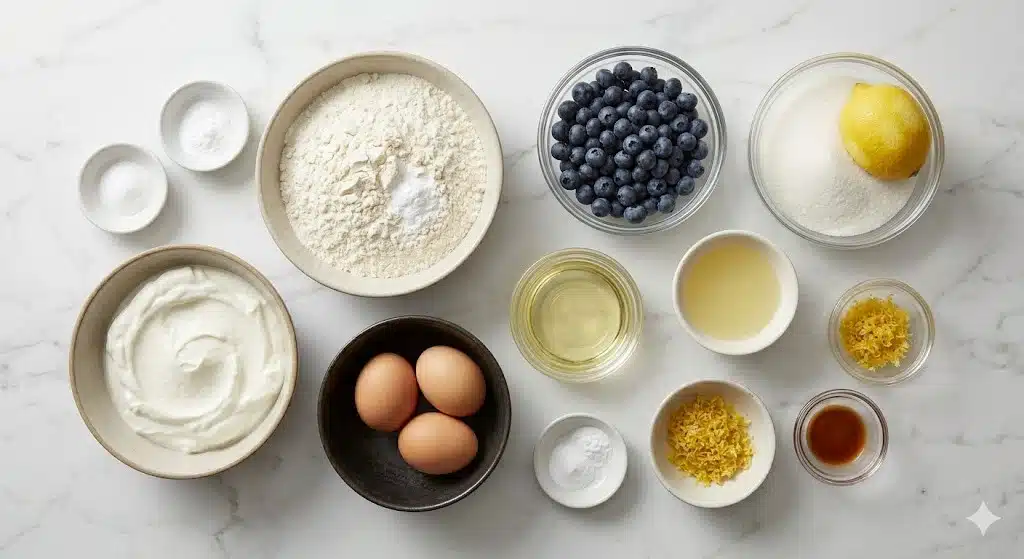
- 1 and ½ cups (190g) all-purpose flour (sometimes I sneak in half whole wheat—no one noticed, once)
- 2 teaspoons baking powder
- ¼ teaspoon salt (I just eyeball it, if I’m honest)
- 1 cup (200g) granulated sugar (grandma swears by caster sugar, but I just use whatever’s in the pantry)
- 1 tablespoon lemon zest (the more the better, unless you like subtle...which I don't)
- ¾ cup (180g) plain Greek yogurt (I’ve used vanilla, and it was fine too!)
- ½ cup (120ml) vegetable oil (melted coconut oil works in a pinch)
- 2 large eggs
- ¼ cup (60ml) freshly squeezed lemon juice (bottled works when you’re in a rush, but don’t tell anyone I said that)
- 1 teaspoon vanilla extract
- 1 cup (150g) fresh blueberries (frozen is fine, just don’t thaw first or it'll get weird and streaky)
- For the glaze: ½ cup (60g) powdered sugar + 1-2 tablespoons lemon juice (eyeball it till it’s pourable)
How I Actually Make Lemon Blueberry Yogurt Loaf (Warts & All)
- Preheat your oven to 350°F (175°C). Grease a 9x5-inch loaf pan with whatever method you believe in (butter, spray, just don’t skip it—learned that the hard way).
- In a bowl, whisk together the flour, baking powder, and salt. I always seem to spill flour here. Pro move: put a tea towel under the bowl.
- In a big mixing bowl, rub the lemon zest into the sugar with your fingers. This seems fussy, but actually, it wakes up the lemon flavor like nothing else. Then dump in the yogurt, oil, eggs, lemon juice, and vanilla extract. Beat that all together until it’s mostly smooth. If there’s a lump, ignore it. That’s character.
- Gently fold in your dry mixture. No need to overthink; just keep folding until you don’t see pockets of flour.
- Toss blueberries with a tablespoon of flour (so they don’t all drop to the bottom) and fold them in. Unless you forget this step, in which case, nobody will notice but you.
- Pour the batter into your prepared loaf pan. Spread it evenly if you remember. This is where I usually sneak a little lick off the spoon—judge away.
- Bake for 50–60 minutes, but start checking at 50. If a toothpick comes out with moist crumbs (not raw batter), it’s done. If you overbake it, just call it a “crunchy edge” loaf and pretend it was on purpose.
- Let it cool in the pan about 15 minutes, then run a knife around the edges and flop it out onto a rack. Try not to eat it all before glazing—trust me, warm loaf is very persuasive.
- Whisk the powdered sugar and lemon juice together in a little bowl. You want a thick but pourable glaze—just keep adding lemon juice till you get it right. Drizzle it over the loaf.
- Now the hardest part: wait for it to set (even just a bit), then slice and devour. Or don’t wait. Who’s policing you?

Actually Useful Notes (Not From a Cookbook)
- If you use frozen blueberries, don't thaw them first. I did once, and my loaf looked like a tie-dye project.
- Lumpy batter is totally fine, maybe even ideal. Smooth batters can make for denser cake—so I’ve been told.
- If you despise zesting lemons, just skip or use a tiny dash of lemon oil (but that’s a bit fancy-pants, isn’t it?).
Twists I’ve Tried—Some Great, Some...Not
- Swapped blueberries for raspberries—kind of awesome, actually.
- Threw in a handful of chopped pecans. Interesting crunch, but the family preferred classic.
- Tried orange instead of lemon. It was fine but didn’t have the zing. Maybe I just like lemon too much.
- Chocolate chips? Once. Didn’t love it, but the kids inhaled it. Go figure.


What You’ll Need (And What to Use If You Don’t Have It)
- 9x5-inch loaf pan (but one time I used two small cake tins; just check them sooner)
- Mixing bowls (or one big salad bowl, once, when I hadn’t done the dishes)
- Whisk and spatula (a big spoon works fine, so does a fork in a pinch)
- Zester or microplane (just grab a veggie peeler then mince the peel if you’re out)
How Long Does It Last? (If You’re Lucky)
This loaf will stay moist and fab for about 3 days in an airtight container. But honestly, in my house, it never lasts more than a day—two, tops—before it turns into a mystery of disappearing crumbs. If you must, pop leftovers in the fridge and bring to room temp; the glaze sets up kinda nicely overnight too.
How We Serve It (And How You Might Want To)
I love it with a mug of strong Earl Grey (bit posh, but suits the lemon). My mate dips her slice in vanilla yogurt, which is next level. Sometimes we just slice it thick and slather on salty butter—might sound odd, but you’ve gotta try it.
Pro Tips, aka What I’ve Messed Up Before
- I once tried rushing it out of the pan and half the loaf stayed behind—just be patient, the cooling bit really matters.
- Don’t skimp on the lemon zest. I tried, thinking my kids would prefer it milder, but then it tasted “meh.” So now, more is more.
- Tossing the blueberries in flour? Seriously helps; otherwise, you get a “blueberry bottom.” (Or maybe that’s just me?)
Your Questions, My Answers (Real-Life Q&A Style)
- Can I use regular yogurt instead of Greek? Yep! It’s maybe a bit less thick, but works just fine. Actually, I prefer Greek for a tighter crumb, but you do you.
- Do I need to glaze it? Ha—nope. The loaf is great plain, but the glaze is like a little party hat. Some folks skip it, occasionally I do too when I’m feeling lazy (don’t tell anyone).
- Can I double it? I have, but make sure to use two pans or it’ll never cook through. Trust me, I tried in one pan and the center was... let’s call it “pudding.”
- Frozen vs fresh berries? Use either, but frozen will make the loaf slightly streaky—no big deal, really.
- Can I make it gluten-free? I’ve swapped in a 1:1 GF all-purpose flour blend, and it worked, but do check your baking powder too!
Last thing—you’re officially warned: This loaf is known to vanish off kitchen counters without warning. Blame the house ghosts; I do.
Ingredients
- 1 and ½ cups (190g) all-purpose flour (sometimes I sneak in half whole wheat—no one noticed, once)
- 2 teaspoons baking powder
- ¼ teaspoon salt (I just eyeball it, if I’m honest)
- 1 cup (200g) granulated sugar (grandma swears by caster sugar, but I just use whatever’s in the pantry)
- 1 tablespoon lemon zest (the more the better, unless you like subtle...which I don't)
- ¾ cup (180g) plain Greek yogurt (I’ve used vanilla, and it was fine too!)
- ½ cup (120ml) vegetable oil (melted coconut oil works in a pinch)
- 2 large eggs
- ¼ cup (60ml) freshly squeezed lemon juice (bottled works when you’re in a rush, but don’t tell anyone I said that)
- 1 teaspoon vanilla extract
- 1 cup (150g) fresh blueberries (frozen is fine, just don’t thaw first or it'll get weird and streaky)
- For the glaze: ½ cup (60g) powdered sugar + 1-2 tablespoons lemon juice (eyeball it till it’s pourable)
Instructions
-
1Preheat your oven to 350°F (175°C). Grease a 9x5-inch loaf pan with whatever method you believe in (butter, spray, just don’t skip it—learned that the hard way).
-
2In a bowl, whisk together the flour, baking powder, and salt. I always seem to spill flour here. Pro move: put a tea towel under the bowl.
-
3In a big mixing bowl, rub the lemon zest into the sugar with your fingers. This seems fussy, but actually, it wakes up the lemon flavor like nothing else. Then dump in the yogurt, oil, eggs, lemon juice, and vanilla extract. Beat that all together until it’s mostly smooth. If there’s a lump, ignore it. That’s character.
-
4Gently fold in your dry mixture. No need to overthink; just keep folding until you don’t see pockets of flour.
-
5Toss blueberries with a tablespoon of flour (so they don’t all drop to the bottom) and fold them in. Unless you forget this step, in which case, nobody will notice but you.
-
6Pour the batter into your prepared loaf pan. Spread it evenly if you remember. This is where I usually sneak a little lick off the spoon—judge away.
-
7Bake for 50–60 minutes, but start checking at 50. If a toothpick comes out with moist crumbs (not raw batter), it’s done. If you overbake it, just call it a “crunchy edge” loaf and pretend it was on purpose.
-
8Let it cool in the pan about 15 minutes, then run a knife around the edges and flop it out onto a rack. Try not to eat it all before glazing—trust me, warm loaf is very persuasive.
-
9Whisk the powdered sugar and lemon juice together in a little bowl. You want a thick but pourable glaze—just keep adding lemon juice till you get it right. Drizzle it over the loaf.
-
10Now the hardest part: wait for it to set (even just a bit), then slice and devour. Or don’t wait. Who’s policing you?
Approximate Information for One Serving
Nutrition Disclaimers
Number of total servings shown is approximate. Actual number of servings will depend on your preferred portion sizes.
Nutritional values shown are general guidelines and reflect information for 1 serving using the ingredients listed, not including any optional ingredients. Actual macros may vary slightly depending on specific brands and types of ingredients used.
To determine the weight of one serving, prepare the recipe as instructed. Weigh the finished recipe, then divide the weight of the finished recipe (not including the weight of the container the food is in) by the desired number of servings. Result will be the weight of one serving.
Did you make this recipe?
Please consider Pinning it!