
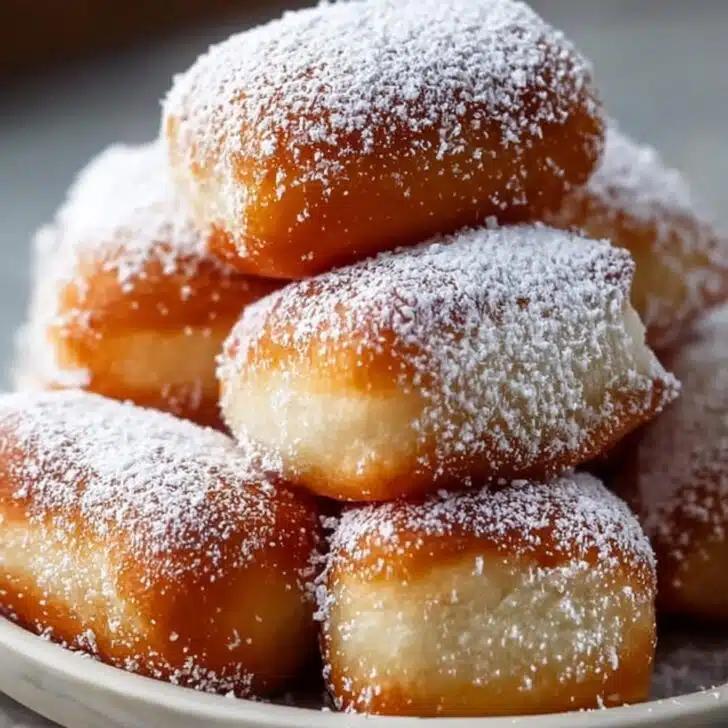
My Sunday Morning Vanilla Beignet Habit
I’ll admit it, these vanilla French beignets are basically my excuse for having dessert at breakfast (and sometimes as a midnight snack, but that's between us). The first time I tried making them, I was convinced I’d burn the house down or at the very least wind up with something more rubber ball than perfect pastry. But no explosions, just a kitchen dusted in powdered sugar and a bunch of happy faces. Sometimes, if I'm feeling ambitious, I’ll toss a bit of orange zest in, but most days, I just crave that soft vanilla flavor, hit with a blizzard of icing sugar. Grab your comfiest slippers and let’s dive in.

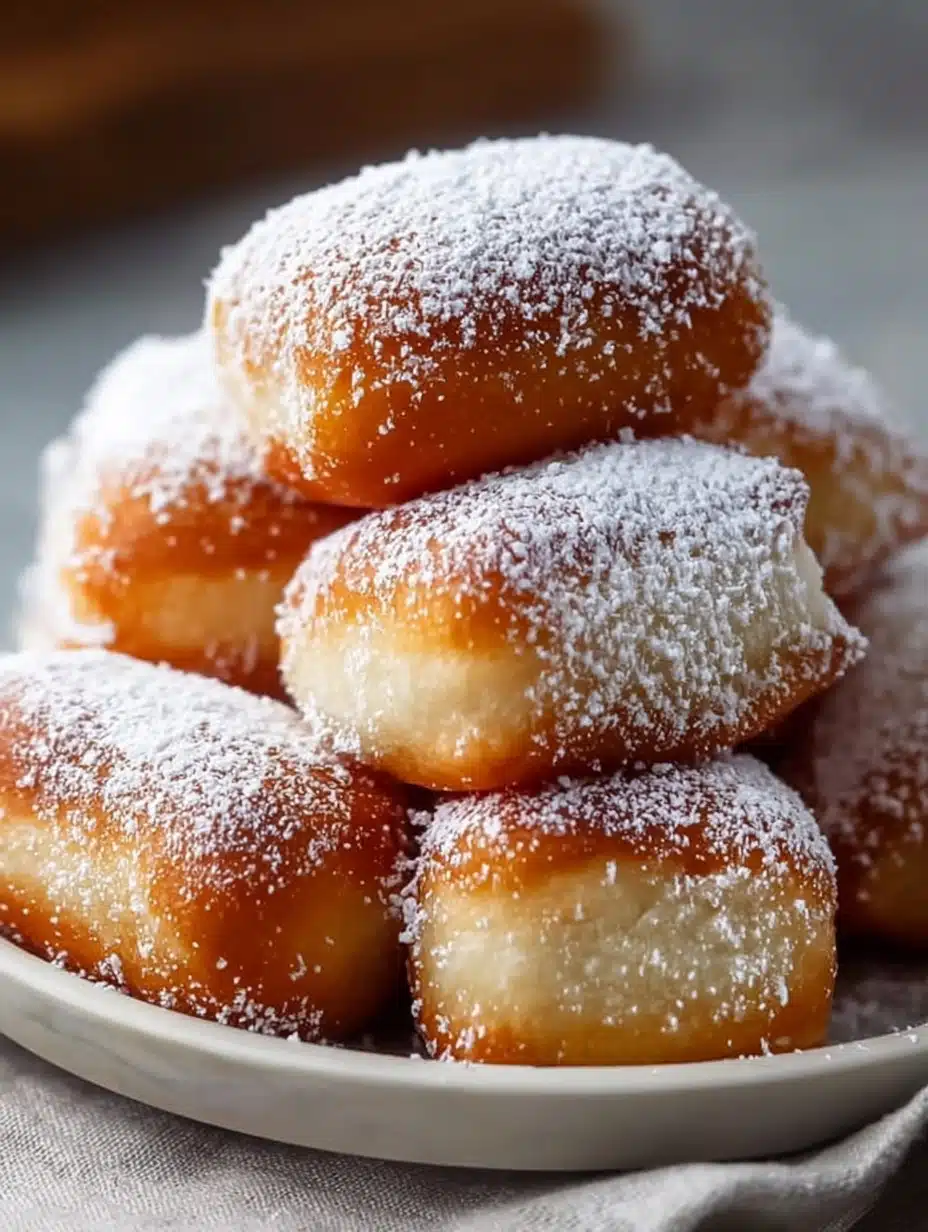
Why You'll Love This Little Recipe
I make these beignets when I want to pretend I’m in a Parisian café, minus the very long plane ride and the fancy coffee. My family goes absolutely bonkers for these (especially when I sneak a fresh batch into movie night), and honestly, they’re way less hassle than they look. There’s no yeast drama, no hours of waiting—sometimes my patience is thinner than store-brand paper towels—and you can get them onto a plate while your coffee is still hot. Plus, cleaning up after a powdered sugar explosion is way more fun than folding laundry (at least in my book).
The Ingredients – Plus a Few Switch-Ups I Promise Work
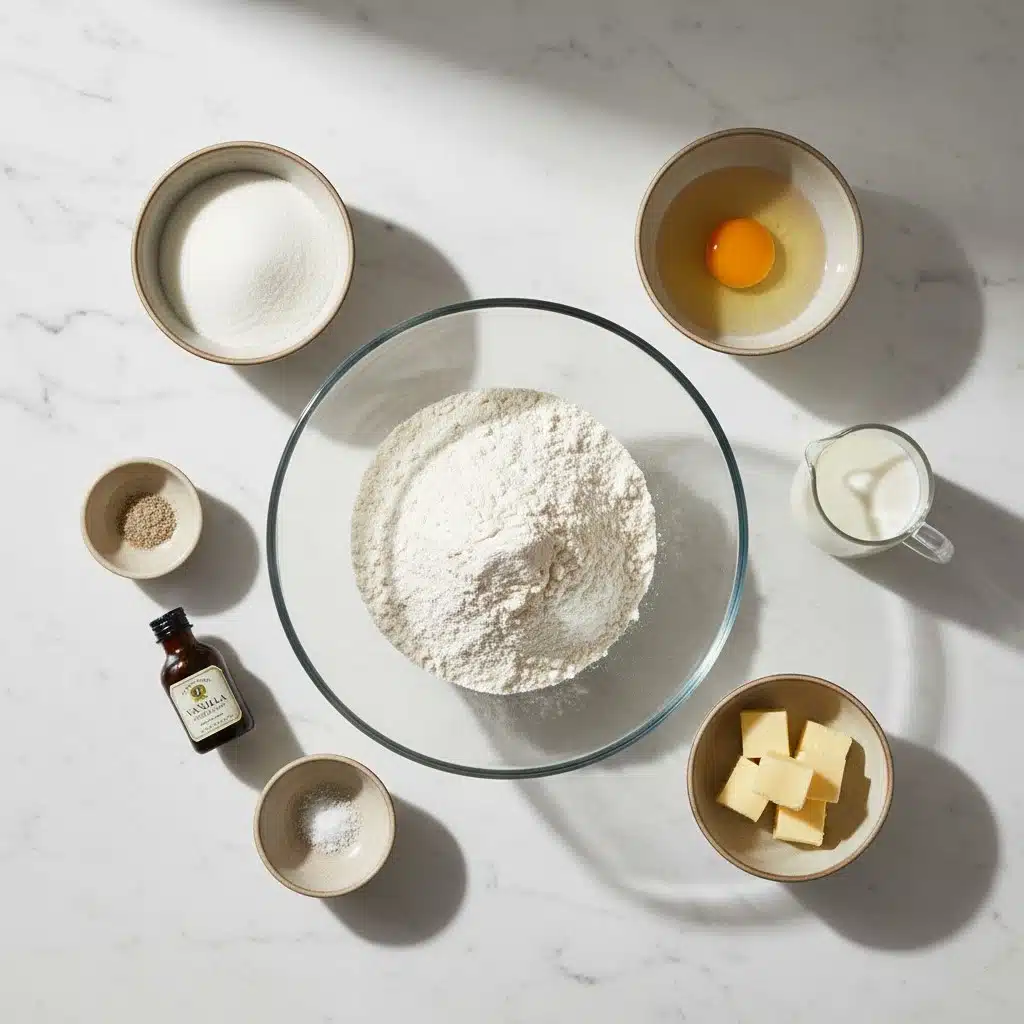
- 2 cups all-purpose flour (or plain flour, if you're across the pond—I've even used half whole wheat in a pinch, comes out nuttier)
- ¼ cup granulated sugar (sometimes I go heavy-handed, no regrets)
- 2 teaspoons baking powder
- ¼ teaspoon salt (but let’s be honest, I never measure this exactly)
- 2 large eggs
- ½ cup whole milk (if you’re out, use 2% or even almond milk, but whole is best)
- 1 tablespoon vanilla extract (My grandmother was loyal to Nielsen-Massey, but honestly, supermarket vanilla tastes just as lovely here)
- 2 tablespoons unsalted butter, melted (even salted butter works, ignore the snobs)
- Vegetable oil for frying (I mostly grab sunflower or canola—whatever’s hanging about)
- Powdered sugar for dusting (mountainous heaps, the best part!)
How I Actually Make Easiest Vanilla French Beignets
- In a big-ish bowl, whisk together the flour, sugar, baking powder, and salt. Sometimes I go overboard with the whisk, but it makes me feel official.
- In another bowl—yep, more dishes, but trust me—beat the eggs, milk, and vanilla together. Pour in that melted butter; try not to think about the calories. Mix it up.
- Combine the wet mix into the dry, stirring just until it all looks like thick cake batter. Don’t panic if it’s lumpy; it sorts itself out.
- Pour around 2 inches of oil into a heavy-bottomed pot or high-sided pan (my granny used a battered old Dutch oven, but a saucepan works). Heat to 350°F (180°C) or until it sizzles when a pinch of batter hits.
- Scoop up tablespoons of batter and drop gently into the hot oil – don't overcrowd. Use two spoons if you hate sticky fingers (I just dive in).
- Fry beignets until golden brown, about 2-3 minutes per side. Flip ’em over when the bottom looks right. Keep a close eye here—distract yourself for a second and, well, crispy.
- Fish them out with a slotted spoon (I used a fork once, much more fiddly), drain on a paper towel mountain or a wire rack if you’re posh.
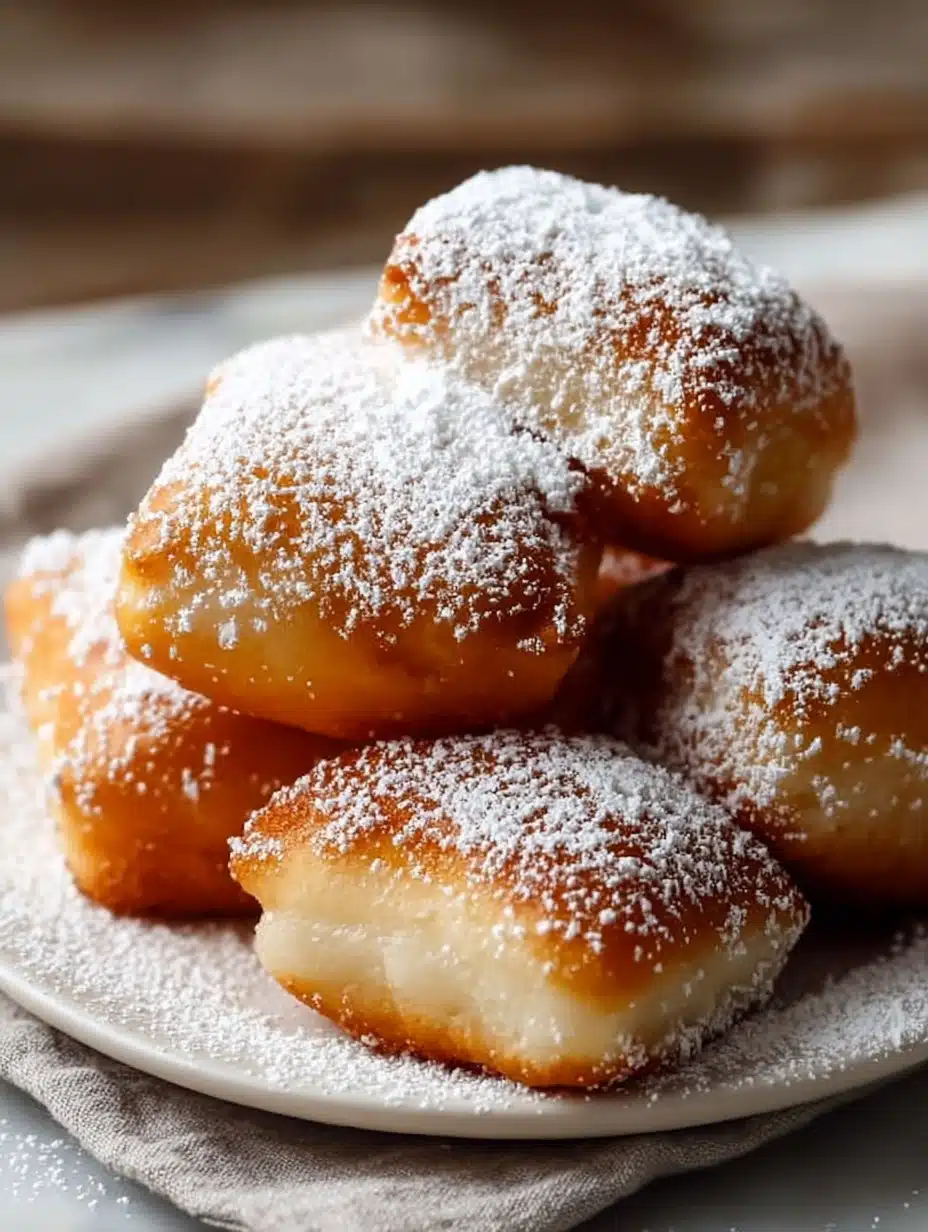
- While still warm, toss or dust generously with powdered sugar. This is where I eat my first one. It’s quality control, right?

Some Honest Notes (or, Things I Learned the Hard Way)
- If you want your beignets fluffier, don’t over-mix; really, walk away before you think it’s done.
- The oil temp is a bit bossy. Too hot and you get doughnuts with burnt jackets, too cold and they soak up oil like sponges. The sizzle test is no joke.
- No need for fancy vanilla unless you’ve already got it—save the real stuff for ice cream.
Variations from My (Occasionally Dubious) Experiments
- Orange zest is amazing mixed in, trust me. Lemon wasn’t quite as magical, tasted a bit like breakfast gone sideways.
- Add a pinch of cinnamon or nutmeg for cozy vibes. I accidentally went overboard once and the kitchen smelled like December for days.
- Chocolate chips? Tried it. They sank to the bottom, molten blobs. I mean, not a disaster, but messy.

Stuff You Might Need (Or, Improvise Like Me)
- Large mixing bowl
- Whisk or sturdy fork (truth be told, I’ve used a chopstick before – it worked!)
- Deep pot or saucepan for frying
- Slotted spoon (or, worst case, a big fork – just dodge the splatters)
- Paper towels or a wire rack
If you don’t have a thermometer, do the old-school pinch of batter sizzle test. It’s good enough for me.
Storing… But They Never Last
Honestly, I’d love to tell you these keep for days, but they’re always gone before sunset in my house. If you do have leftovers (impressive willpower!), store them in an airtight container at room temp. They’re not quite the same the next day, but a zap in the microwave brings them back. But really, just eat them warm.
How I Love to Serve Beignets
We do a family thing—big dish of these, but everyone gets their own ramekin of jam or honey for dipping. My go-to is raspberry jam, though one of my kids insists on Nutella (not remotely French, but I pick my battles). You could pile these on a plate with berries and whipped cream, too, “brunch-style.”
What I’ve Messed Up (So You Don’t Have To)
- Don’t rush the oil heating. I tried to use medium heat to speed things up once; disappointment all around, plus my smoke alarm got a workout.
- I always make double what I think I’ll need, because otherwise there’s NEVER enough—these go quicker than my motivation to do the washing up.
FAQ: All The Stuff Friends Ask Me
- Can I make these with self-raising flour? Actually, you can, but skip the baking powder or they’ll puff up like balloons and taste a bit soapy (ask me how I know).
- Is there a way to bake them instead of frying? Honestly, I tried—oven-baked ones came out sad and a bit chewy. If you figure it out, please write me.
- Can I make the batter ahead of time? You can, but if it sits around more than 30 minutes, things get… weird. Fresher is better. And it’s quick to whip up anyway.
- Help! My beignets are oily, what gives? Oil wasn’t hot enough. I’ve been there, they taste like regret and fried napkins. Crank up the heat for the next round.
- What oil should I use? I use whatever’s cheapest, plain and simple. Just nothing fancy like olive oil, unless you want them to taste like salad.
If you read this while making beignets and your kitchen looks like a snowstorm, that’s the sign of a job well done. Go on, sneak an extra one for yourself—chef’s perks!
Ingredients
- 2 cups all-purpose flour (or plain flour, if you're across the pond—I've even used half whole wheat in a pinch, comes out nuttier)
- ¼ cup granulated sugar (sometimes I go heavy-handed, no regrets)
- 2 teaspoons baking powder
- ¼ teaspoon salt (but let’s be honest, I never measure this exactly)
- 2 large eggs
- ½ cup whole milk (if you’re out, use 2% or even almond milk, but whole is best)
- 1 tablespoon vanilla extract (My grandmother was loyal to Nielsen-Massey, but honestly, supermarket vanilla tastes just as lovely here)
- 2 tablespoons unsalted butter, melted (even salted butter works, ignore the snobs)
- Vegetable oil for frying (I mostly grab sunflower or canola—whatever’s hanging about)
- Powdered sugar for dusting (mountainous heaps, the best part!)
Instructions
-
1In a big-ish bowl, whisk together the flour, sugar, baking powder, and salt. Sometimes I go overboard with the whisk, but it makes me feel official.
-
2In another bowl—yep, more dishes, but trust me—beat the eggs, milk, and vanilla together. Pour in that melted butter; try not to think about the calories. Mix it up.
-
3Combine the wet mix into the dry, stirring just until it all looks like thick cake batter. Don’t panic if it’s lumpy; it sorts itself out.
-
4Pour around 2 inches of oil into a heavy-bottomed pot or high-sided pan (my granny used a battered old Dutch oven, but a saucepan works). Heat to 350°F (180°C) or until it sizzles when a pinch of batter hits.
-
5Scoop up tablespoons of batter and drop gently into the hot oil – don't overcrowd. Use two spoons if you hate sticky fingers (I just dive in).
-
6Fry beignets until golden brown, about 2-3 minutes per side. Flip ’em over when the bottom looks right. Keep a close eye here—distract yourself for a second and, well, crispy.
-
7Fish them out with a slotted spoon (I used a fork once, much more fiddly), drain on a paper towel mountain or a wire rack if you’re posh.
-
8While still warm, toss or dust generously with powdered sugar. This is where I eat my first one. It’s quality control, right?
Approximate Information for One Serving
Nutrition Disclaimers
Number of total servings shown is approximate. Actual number of servings will depend on your preferred portion sizes.
Nutritional values shown are general guidelines and reflect information for 1 serving using the ingredients listed, not including any optional ingredients. Actual macros may vary slightly depending on specific brands and types of ingredients used.
To determine the weight of one serving, prepare the recipe as instructed. Weigh the finished recipe, then divide the weight of the finished recipe (not including the weight of the container the food is in) by the desired number of servings. Result will be the weight of one serving.
Did you make this recipe?
Please consider Pinning it!