
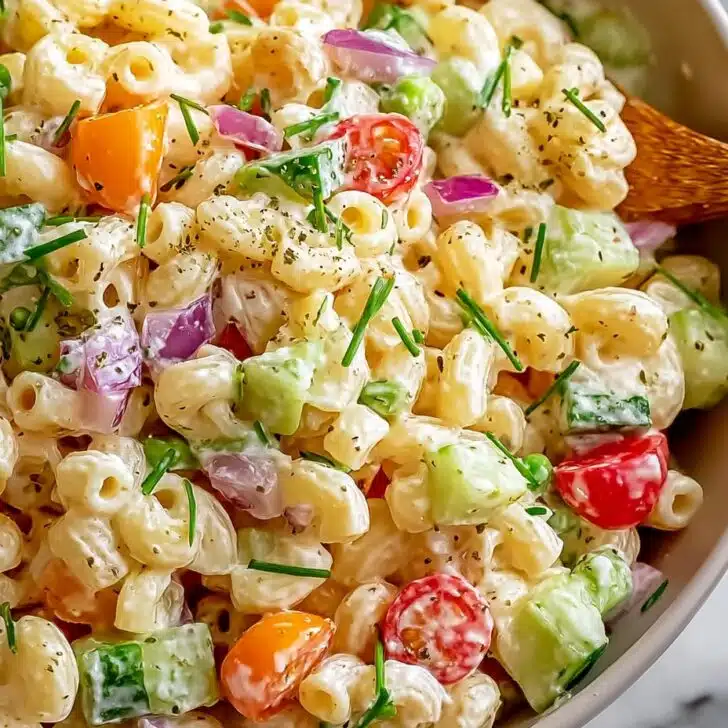
I can't even count how many times I've made Ditalini Pasta Salad—it sort of sneaks onto our table almost every summer weekend. The first time was actually a total fluke; I'd run out of elbow macaroni and my neighbor (hey, Karen!) gave me a box of ditalini. That little switch just stuck. For some reason, those tiny tubes hold onto every bit of flavor, and my family always asks if I'll "make the good pasta salad" again. Which is a not-so-subtle dig at my other, less popular salad attempts, I guess.

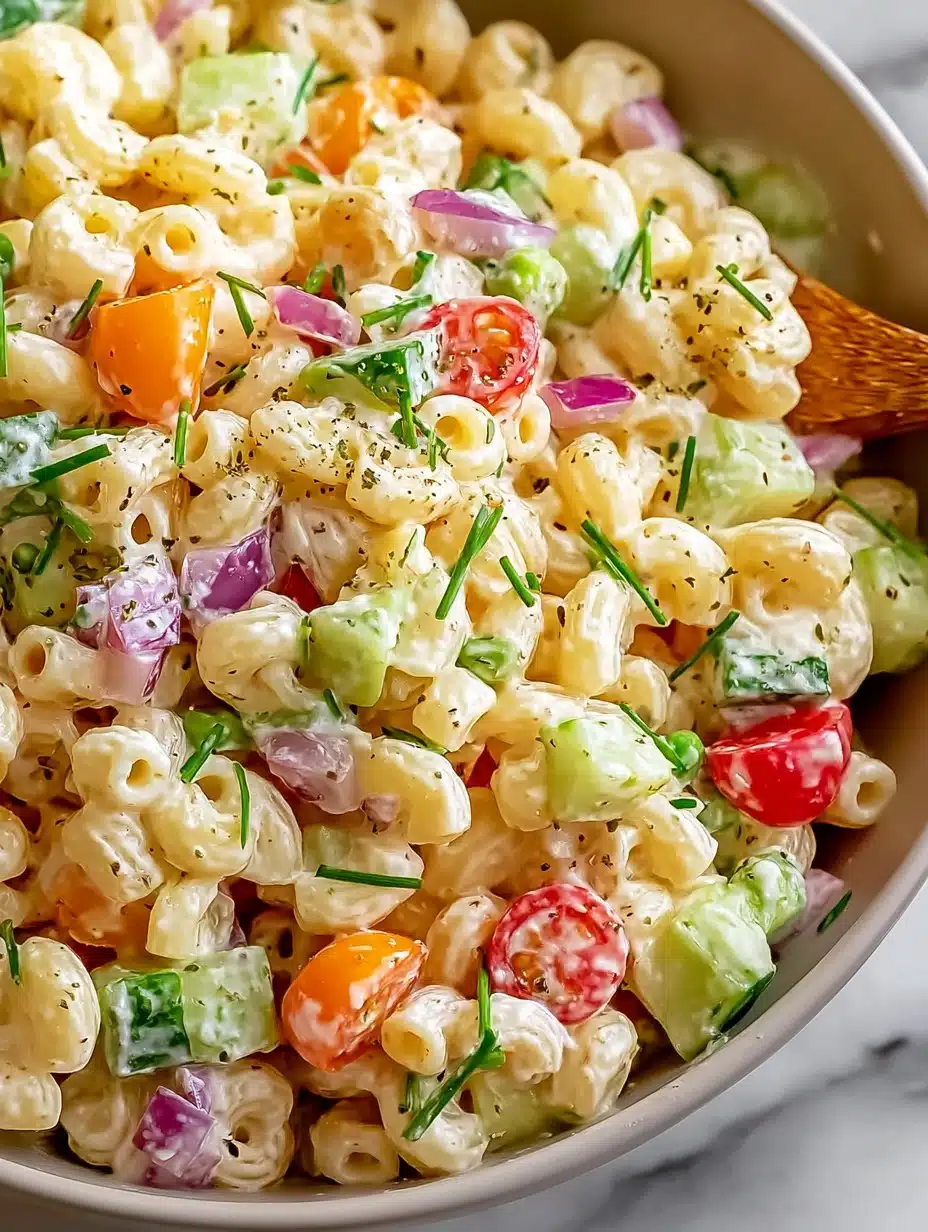
Why You'll Love This—Besides the Fact It's Foolproof
I whip this up when I'm not feeling like standing over the stove for long, and nobody has ever complained (okay, my son once poked at a cherry tomato suspiciously, but even he came around). Honestly, it's the star of our picnic. I sometimes make it with whatever odds and ends are in the fridge. Oh, and if you screw it up, it still somehow tastes good. If that's not kitchen magic, I don't know what is.
Here's What You'll Need (With a Few Loopholes)
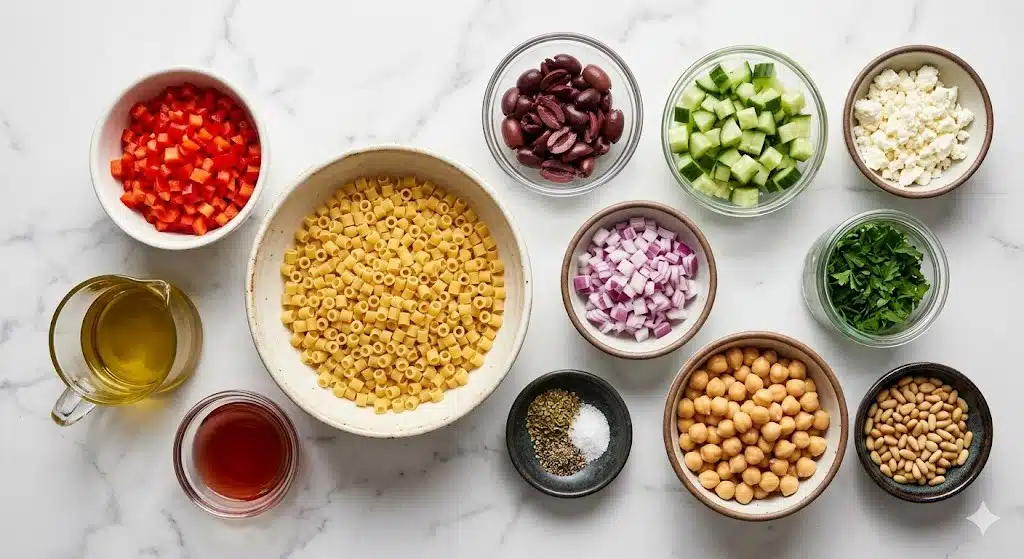
- 250g (about 2 cups) ditalini pasta (or macaroni, or even small shells if that's what's lurking in your cupboard)
- 1 cup cherry tomatoes, halved—grape tomatoes work, too (My neighbor swears by the little yellow ones but I'm not picky)
- ½ cup red bell pepper, diced (or green, or orange, or skip if you hate peppers—I won't judge!)
- ⅓ cup red onion, finely chopped—swap for green onion if you don't like a strong onion kick
- ½ cup cucumber, diced (sometimes I peel them, sometimes I don't—it depends if I'm feeling lazy)
- ⅓ cup black olives, sliced (Kalamata works too, though I'll admit I use pre-sliced if I'm in a rush)
- ½ cup feta cheese, crumbled (you're allowed to use goat cheese, or skip it if someone is dairy-free—just add a pinch of salt)
- ¼ cup extra virgin olive oil (I once used canola oil—don't recommend it, but it was still edible)
- 2 tablespoons red wine vinegar (white wine vinegar isn't terrible if that's what you've got)
- 1 teaspoon dried oregano (or Italian seasoning—the purists will look away!)
- 1 small garlic clove, minced (or skip it if raw garlic gives you heartburn, sometimes it does me!)
- Salt and pepper, to taste (I start with a pinch and adjust at the end, especially since feta is salty on its own)
Okay, So How Do You Make It?
- Boil the ditalini pasta in a big ol' pot of salted water (a generous amount of salt—think "salty as the sea," as my grandmother said); cook until just al dente. Not mushy, unless that's your style.
- Drain the pasta and rinse it under cold water so it stops cooking. This is one of those steps that always seemed weird to me, but it really keeps things from becoming one big lump.
- Toss the cooled pasta in a huge mixing bowl (or a clean soup pot if all your bowls are in the dishwasher—I have).
- Throw in the cherry tomatoes, bell pepper, red onion, cucumber, and olives. I always pause for a sec here because it looks unexpectedly colorful—which is probably my favorite part.
- In a smallish bowl or jar, whisk together the olive oil, red wine vinegar, oregano, minced garlic, and a little salt and pepper. Or shake it in a Mason jar if you're into that. If not, just eyeball the mix in the pasta bowl. No judgment.
- Pour the dressing over the salad and gently toss it all together—this is where I always sneak a taste "just to check for seasoning," and sometimes accidentally eat half a serving.
- Add the crumbled feta and give it another gentle toss. Don't worry if the cheese crumbles stick to your spoon, that's basically the best part.
- Chill in the fridge for at least 30 minutes—it really tastes better after the flavors hang out together. Or eat it right away if you're starving. This is a judgment-free zone.

Notes Form Experience (Yes, It's On Purpose!)
- If you make it a few hours ahead, the flavors get bolder. But don't let it sit with the tomatoes overnight—they get a bit sad and squishy.
- Sometimes I skip the cucumber if I don't have it, but it does add a nice crunch. On second thought, add a bit of celery if you adore extra crunch.
- If you use pre-crumbled feta, it won't melt as nicely into the salad, but it's perfectly fine for a weeknight—no shame.
- Actually, I find it works better if you taste the dressing first before pouring it on. Adjust the vinegar or oil if you want it tangier or richer.
Experiments That (Mostly) Worked—Variations
- I once tossed in a can of drained tuna for a "main dish" salad. My husband loved it. My youngest was horrified. So, mixed reviews.
- Chopped artichoke hearts are surprisingly good here, especially if you have a jar leftover from some antipasto platter.
- I've tried swapping ditalini for quinoa, but honestly, it just didn't make my heart sing—so stick with pasta if you can.
- Hot tip: grilled corn kernels when it's summer and fresh corn is all over the place. Makes it super sweet and addictive.

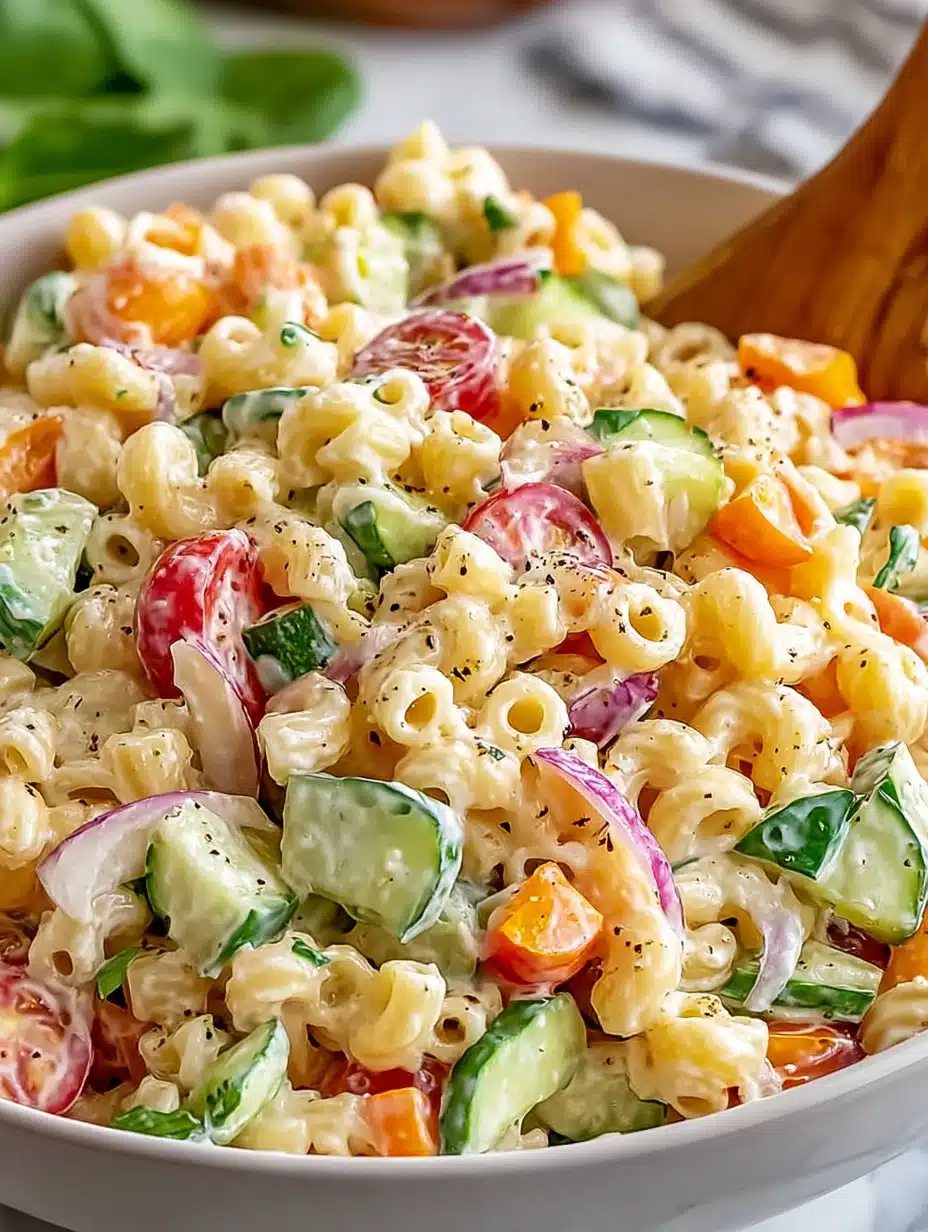
The Gear You (Probably) Need—But Can Sub In
- A big pot for boiling pasta (I've been known to use the same one for boiling eggs earlier that day. Just rinse!)
- A decent colander (don't have one? Carefully tip the pot with a lid—it works, but watch your fingers!)
- Large bowl for mixing (or a clean, non-plastic soup pot in a pinch—no shame)
- Whisk, fork, or even a chopstick to make the dressing. You do you.
Keeping It Fresh—But It Barely Lasts
Technically, this will keep in the fridge for up to 3 days in an airtight container, but honestly, in my house, it never lasts more than a day. If you do have leftovers, give it a quick toss before serving, and maybe add a splash more olive oil if it looks dry. Tomatoes get mushy on day two, but I still eat them.
How We Serve It (Every Family's Got a Thing)
We usually put out a big bowl and let everyone serve themselves—nothing fancy. Sometimes I sprinkle extra feta on top, or just eat it straight from the fridge, fork in hand (midnight snacking isn't a crime, right?). For cookouts, I stick a big serving spoon right in and call it a day.
Lessons from a Pasta Salad Addict (Pro Tips)
- Don't rush chilling the salad—I've done it, and the flavors just aren't as "together" if you serve it right away.
- If you try to add the feta before the pasta cools, it'll melt into a weird goo. Not the end of the world, but best to wait until it's cool.
- One time, I was out of vinegar and tried lemon juice—it tasted lovely, but my husband said it was "different." Take that as you will.
Questions Folks Actually Ask Me About This
- Can I make it gluten-free? Yup! Use your favorite gluten-free pasta. Just watch the cook time; some get mushy pretty quick.
- What if I don't like olives? Skip them. Maybe sub in capers or just leave them out—no biggie.
- Is it okay to use bottled Italian dressing? Honestly, I've done it in a pinch. Homemade is better, but hey, no judgment; life gets busy.
- Can I double it for a party? For sure. I've tripled it for a big family picnic and everyone was happy (except for my arm after mixing it all).
- Why didn't my salad "pop" with flavor? Might be the tomatoes—supermarket ones can be bland in winter. Try cherry tomatoes or add a pinch more salt and vinegar.
- Do I have to wait for it to chill? Honestly, if you're really hungry, just eat it, warm-ish or cold, it's all good.
Oh! One last thing—I can't believe how much better it tastes eaten outdoors, with a little sun on your face and a cold drink in hand. Not a requirement, just a strong recommendation from someone who's tried it both ways.
Ingredients
- 250g (about 2 cups) ditalini pasta (or macaroni, or even small shells if that's what's lurking in your cupboard)
- 1 cup cherry tomatoes, halved—grape tomatoes work, too (My neighbor swears by the little yellow ones but I'm not picky)
- ½ cup red bell pepper, diced (or green, or orange, or skip if you hate peppers—I won't judge!)
- ⅓ cup red onion, finely chopped—swap for green onion if you don't like a strong onion kick
- ½ cup cucumber, diced (sometimes I peel them, sometimes I don't—it depends if I'm feeling lazy)
- ⅓ cup black olives, sliced (Kalamata works too, though I'll admit I use pre-sliced if I'm in a rush)
- ½ cup feta cheese, crumbled (you're allowed to use goat cheese, or skip it if someone is dairy-free—just add a pinch of salt)
- ¼ cup extra virgin olive oil (I once used canola oil—don't recommend it, but it was still edible)
- 2 tablespoons red wine vinegar (white wine vinegar isn't terrible if that's what you've got)
- 1 teaspoon dried oregano (or Italian seasoning—the purists will look away!)
- 1 small garlic clove, minced (or skip it if raw garlic gives you heartburn, sometimes it does me!)
- Salt and pepper, to taste (I start with a pinch and adjust at the end, especially since feta is salty on its own)
Instructions
-
1Boil the ditalini pasta in a big ol' pot of salted water (a generous amount of salt—think "salty as the sea," as my grandmother said); cook until just al dente. Not mushy, unless that's your style.
-
2Drain the pasta and rinse it under cold water so it stops cooking. This is one of those steps that always seemed weird to me, but it really keeps things from becoming one big lump.
-
3Toss the cooled pasta in a huge mixing bowl (or a clean soup pot if all your bowls are in the dishwasher—I have).
-
4Throw in the cherry tomatoes, bell pepper, red onion, cucumber, and olives. I always pause for a sec here because it looks unexpectedly colorful—which is probably my favorite part.
-
5In a smallish bowl or jar, whisk together the olive oil, red wine vinegar, oregano, minced garlic, and a little salt and pepper. Or shake it in a Mason jar if you're into that. If not, just eyeball the mix in the pasta bowl. No judgment.
-
6Pour the dressing over the salad and gently toss it all together—this is where I always sneak a taste "just to check for seasoning," and sometimes accidentally eat half a serving.
-
7Add the crumbled feta and give it another gentle toss. Don't worry if the cheese crumbles stick to your spoon, that's basically the best part.
-
8Chill in the fridge for at least 30 minutes—it really tastes better after the flavors hang out together. Or eat it right away if you're starving. This is a judgment-free zone.
Approximate Information for One Serving
Nutrition Disclaimers
Number of total servings shown is approximate. Actual number of servings will depend on your preferred portion sizes.
Nutritional values shown are general guidelines and reflect information for 1 serving using the ingredients listed, not including any optional ingredients. Actual macros may vary slightly depending on specific brands and types of ingredients used.
To determine the weight of one serving, prepare the recipe as instructed. Weigh the finished recipe, then divide the weight of the finished recipe (not including the weight of the container the food is in) by the desired number of servings. Result will be the weight of one serving.
Did you make this recipe?
Please consider Pinning it!