
If you’ve ever peeked into a bakery window and thought, “How in the world do they make that bread look so soft and pillowy?” — you’re not alone. The first time I made homemade bread, I think half the kitchen wore flour for a week afterwards. There was dough in my hair (don’t ask), on the dog, and my loaf was, well, a sort of friendly brick. But I kept at it, and now my family expects this Beginner-Friendly Homemade Bread every Sunday. Still, I’ll admit: I sometimes cheat and use the stand mixer because, honestly, I like my arms.
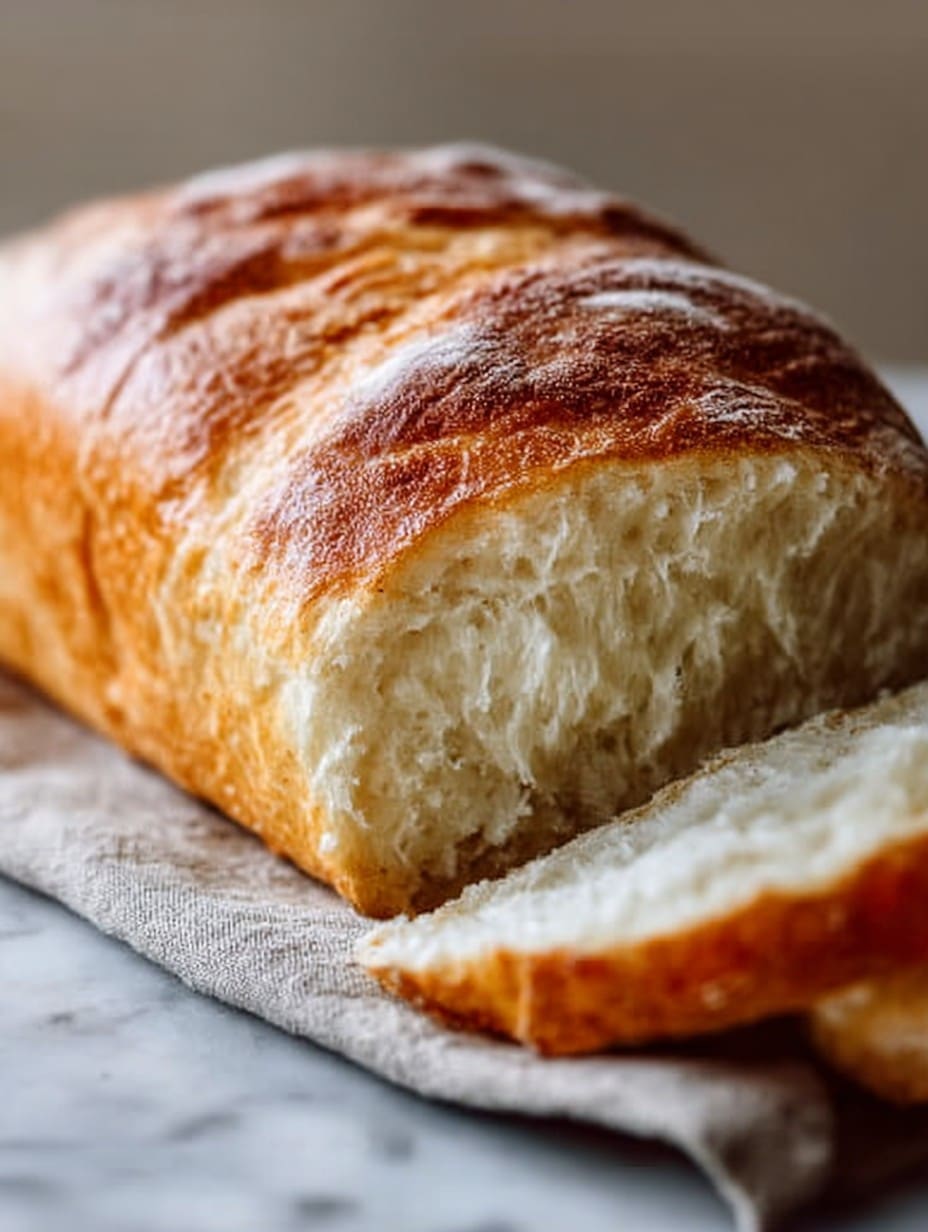
Why This Bread Will Steal Your Heart (or at Least Your Appetite)
I make this bread when I feel like pretending I have my life together (big stretch, I know) or when it’s freezing outside and the thought of warm, butter-slathered slices is just too hard to resist. My household loses its collective mind when there’s fresh bread on the counter; I keep thinking they’ll get bored of it but nope. One time, I tried adding seeds on top for extra crunch, and — well, let’s just say I was the only one eating those end slices.
What You Need (and Some Options If You Don’t)
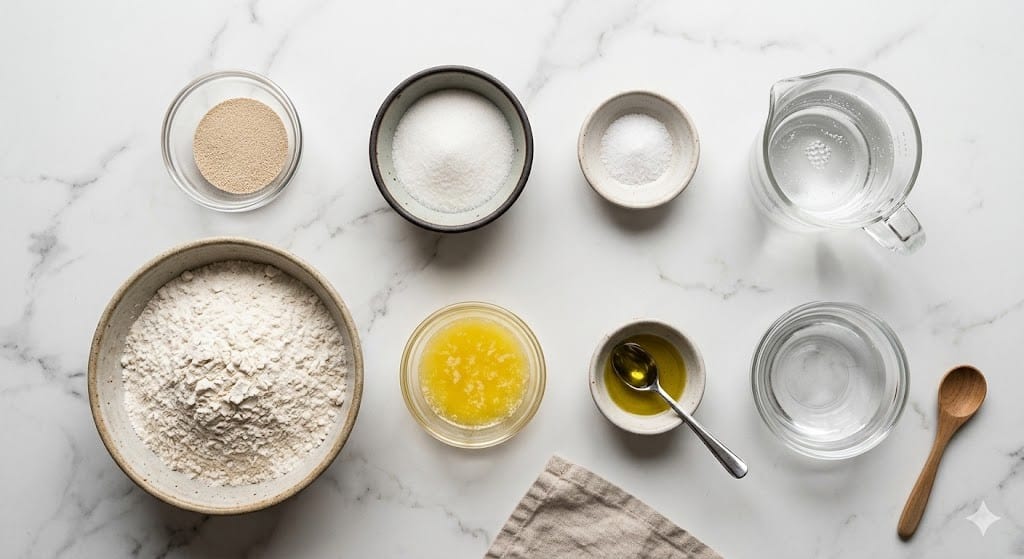
- 3 cups (375g) all-purpose flour — you can swap in bread flour if you’re feeling fancy, or half whole wheat if you want to convince yourself it’s health food. I did once use a cup of rye but the flavor’s a bit strong.
- 2 teaspoons instant or active dry yeast — my grandmother always insisted on Red Star, but honestly, any brand works fine (I’ve even mixed in leftover packets; shh).
- 1 teaspoon salt — regular, sea, or Himalayan, you pick.
- 1 tablespoon sugar — if you’re out, honey does the trick, or skip it if you don’t care about a hint of sweetness.
- 1 cup (240ml) warm water (about bath temp, not scalding!) — I’ve used milk in a pinch, which made it richer.
- 2 tablespoons olive oil or melted butter — or honestly, whatever oil’s hanging around; I’ve used canola in emergencies and it was fine.
My Kinda Directions (Loosely Speaking)
- Dump your flour, yeast, salt, and sugar into a big bowl. Stir them together with a fork or, heck, your hand — less washing-up later. Add the water (slowly) and olive oil.
- Mix until you’ve got a shaggy, sticky dough. If it looks like something from a sci-fi movie, that’s about right! If it’s bone-dry, splash in extra water a tablespoon at a time. Too wet? Sprinkle more flour. This part’s always a bit...touch-and-go.
- Now, knead. Either throw it into a stand mixer with a dough hook (my lifesaver), or go old-school and push, fold, turn by hand. About 7-8 minutes should do — you want it smooth and elastic-ish (it never looks perfect, promise).
- Toss the dough into a lightly oiled bowl, cover with clingfilm (or a clean tea towel if you’re a pro), and let it rise till doubled. Should take an hour, unless your kitchen’s Arctic — then I put the bowl near a warm oven (never ON it, learned that the hard way).
- Punch down (gently; it’s done nothing wrong). Plop it onto a floured surface and shape it into a loaf or ball, whatever you feel like. Pop into a loaf pan or onto a baking sheet — your call.
- Cover again and let it puff up, 30-45 minutes. It’s had a tough life; let it rest.
- Bake at 375°F (190°C) for about 30 minutes, or until it’s golden on top and sounds a bit hollow when tapped. This is usually where I hover in front of the oven smelling like victory. On second thought, don’t panic if it cracks a little — those are beauty marks.
- Let the bread cool on a wire rack for at least 20 minutes (I fail at this; warm bread = instant happiness even if it’s squashed flat).
Notes: Earned the Hard Way
- If the dough seems stubborn, just give it a rest (literally). Ten minutes makes it more workable.
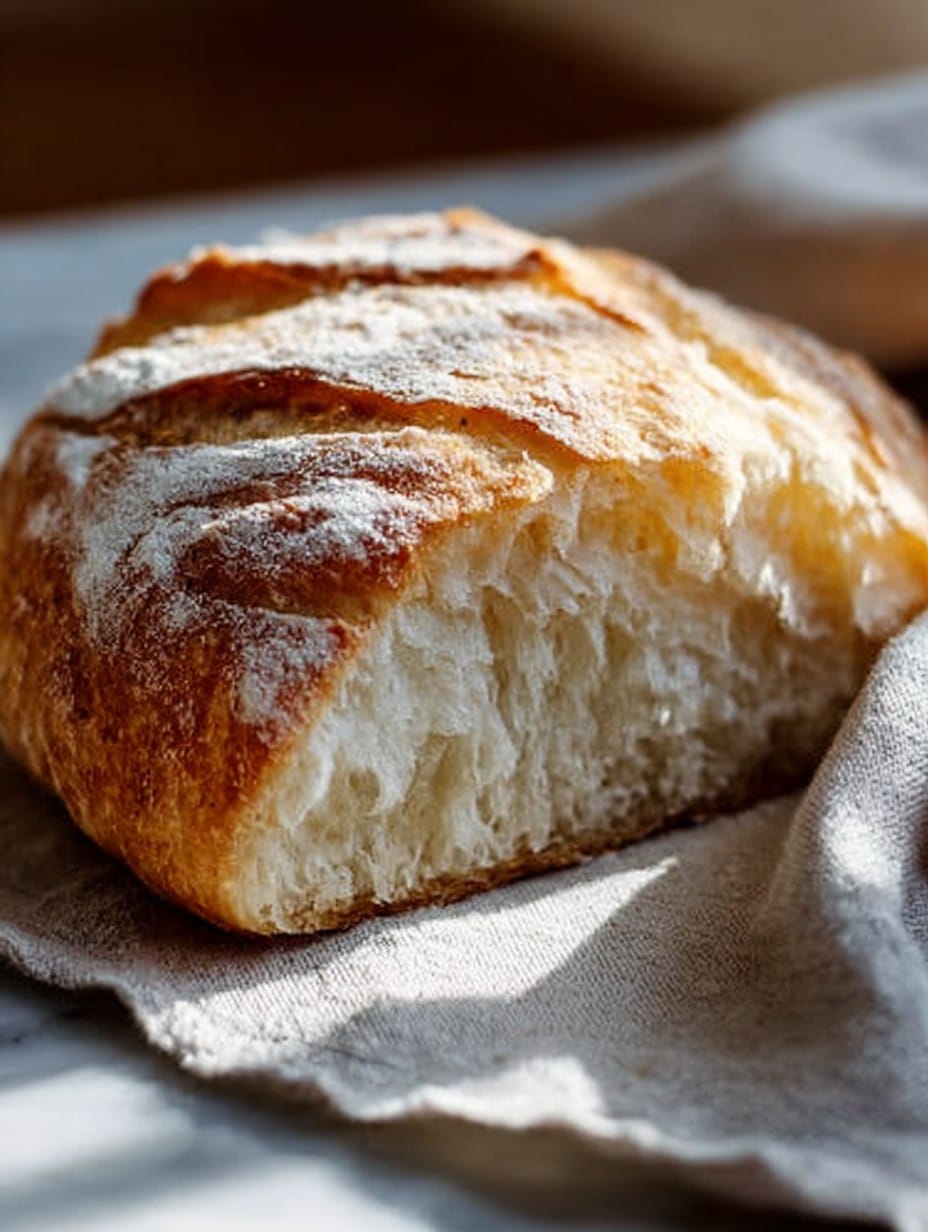
- Don’t freak if the crust goes a bit rogue and dark — sometimes my oven plays tricks and it’s still delicious.
Variations I’ve Tried (and One I Regret)
- Add chopped herbs to the dough — rosemary makes it oddly addictive, but oregano once tasted like pizza gone wrong.
- Swap a cup of flour for whole wheat, rye, or even spelt. Once tried using coconut flour; it was...not bread. Let’s never speak of it again.
- Sprinkle seeds (sesame, poppy, even chia) on top just before baking, if you’re feeling wild.
Equipment (But Don’t Stress If You’re Missing Stuff)
- Large mixing bowl (salad bowl works, or just clean the pasta pot; been there)
- Measuring cups and spoons — or use a mug and a regular spoon; just keep the ratio steady
- Wooden spoon or your hand (honestly, hand-mixing is therapeutic)
- Loaf pan or baking sheet — if you’ve only got a casserole dish, use that and call it “artisan”
- Wire rack (a clean oven rack or even just the turned-off oven door will work in a pinch)
How I Store (But Bread Vanishes Here)
My bread lives in a paper bag or tea towel on the counter. Supposedly it keeps 2-3 days, but honestly, in my house it’s gone before it loses that just-baked smell. If you’re superhuman and have leftovers, it freezes well (just wrap up slices in foil and chuck in the freezer).
How to Serve: The Fun Bit
Straight out of the oven, butter melting everywhere, or dipped in olive oil with a sprinkle of salt. Sometimes it’s all we have with soup, and no one minds. Toasted for breakfast? Even better the second day, I reckon. My kids love it with peanut butter and jam — which, I admit, is pretty darn good.
What I Learned the Hard Way (Please Don’t Repeat My Mistakes)
- I once tried rushing the rising time; ended up with bread that could double as a cricket ball. Give it time. There’s no way round that.
- Letting it cool is a pain but seriously, slicing hot bread = mashed loaf.
FAQ: Real Questions I’ve Actually Gotten
- Can I skip the sugar? Yep, the bread won’t rise quite as fast, but it’ll still come out just fine.
- Do I have to knead by hand? Nah, I often use my stand mixer. If you’re mixing by hand and get bored, just pretend it’s a workout.
- What if my dough doesn’t rise? Your yeast might be tired (old), or maybe your kitchen is just a bit cold. Try finding a warmer spot. Once I used expired yeast by accident, and it gave up before I did. New yeast = new loaf.
- Can I double this recipe? For sure! Use two bowls if it gets unwieldy; I have dropped an entire double batch on the floor before, so maybe don’t do it over carpet.
- Why is my crust hard? Sometimes it just happens – a bit of steam in the oven will soften things, or just slice thinner (that’s my trick, anyway).
Oh, one last thing – if you find yourself with flour on your face at the end, you’re definitely doing it right.
Ingredients
- 3 cups (375g) all-purpose flour
- 2 teaspoons instant or active dry yeast
- 1 teaspoon salt
- 1 tablespoon sugar
- 1 cup (240ml) warm water
- 2 tablespoons olive oil or melted butter
Instructions
-
1Dump your flour, yeast, salt, and sugar into a big bowl. Stir them together with a fork or, heck, your hand — less washing-up later. Add the water (slowly) and olive oil.
-
2Mix until you’ve got a shaggy, sticky dough. If it looks like something from a sci-fi movie, that’s about right! If it’s bone-dry, splash in extra water a tablespoon at a time. Too wet? Sprinkle more flour. This part’s always a bit...touch-and-go.
-
3Now, knead. Either throw it into a stand mixer with a dough hook (my lifesaver), or go old-school and push, fold, turn by hand. About 7-8 minutes should do — you want it smooth and elastic-ish (it never looks perfect, promise).
-
4Toss the dough into a lightly oiled bowl, cover with clingfilm (or a clean tea towel if you’re a pro), and let it rise till doubled. Should take an hour, unless your kitchen’s Arctic — then I put the bowl near a warm oven (never ON it, learned that the hard way).
-
5Punch down (gently; it’s done nothing wrong). Plop it onto a floured surface and shape it into a loaf or ball, whatever you feel like. Pop into a loaf pan or onto a baking sheet — your call.
-
6Cover again and let it puff up, 30-45 minutes. It’s had a tough life; let it rest.
-
7Bake at 375°F (190°C) for about 30 minutes, or until it’s golden on top and sounds a bit hollow when tapped. This is usually where I hover in front of the oven smelling like victory. On second thought, don’t panic if it cracks a little — those are beauty marks.
-
8Let the bread cool on a wire rack for at least 20 minutes (I fail at this; warm bread = instant happiness even if it’s squashed flat).
Approximate Information for One Serving
Nutrition Disclaimers
Number of total servings shown is approximate. Actual number of servings will depend on your preferred portion sizes.
Nutritional values shown are general guidelines and reflect information for 1 serving using the ingredients listed, not including any optional ingredients. Actual macros may vary slightly depending on specific brands and types of ingredients used.
To determine the weight of one serving, prepare the recipe as instructed. Weigh the finished recipe, then divide the weight of the finished recipe (not including the weight of the container the food is in) by the desired number of servings. Result will be the weight of one serving.
Did you make this recipe?
Please consider Pinning it!