
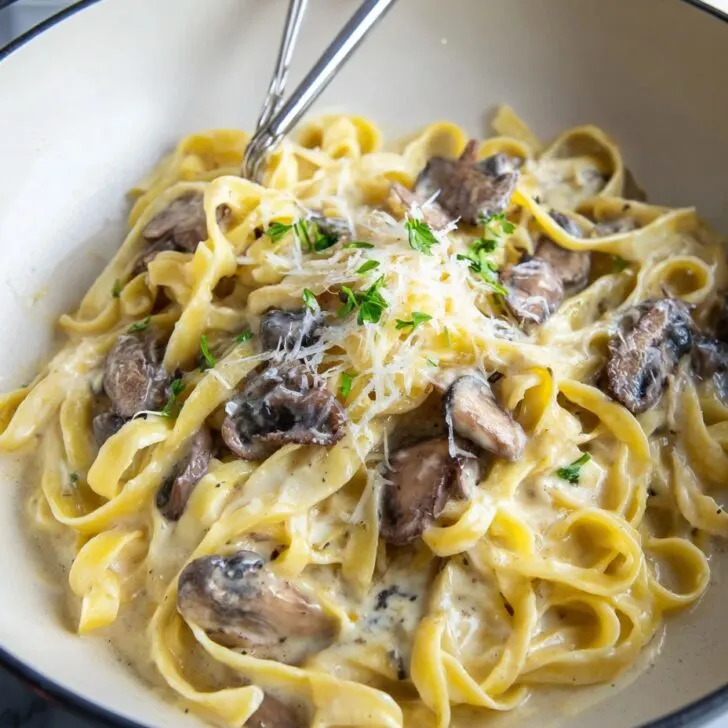
Right Then! Let’s Talk About Truffle Pasta
Alright, so you know how some meals just sort of wiggle their way into your memory? For me, that’s truffle pasta. There I was, years ago, standing in my tiny flat—window half stuck open, pasta pot bubbling away—when I first tried making this dish after tasting the “real thing” in Florence. I practically set off the smoke alarm with my enthusiastic (read: slightly overboard) butter browning, but even so, that rich, earthy aroma? Couldn’t stop smiling. These days, I make truffle pasta whenever I’ve got something to celebrate—or heck, when mushrooms are on sale and I’m feeling a bit posh. Funny how food turns into a mood, isn’t it?
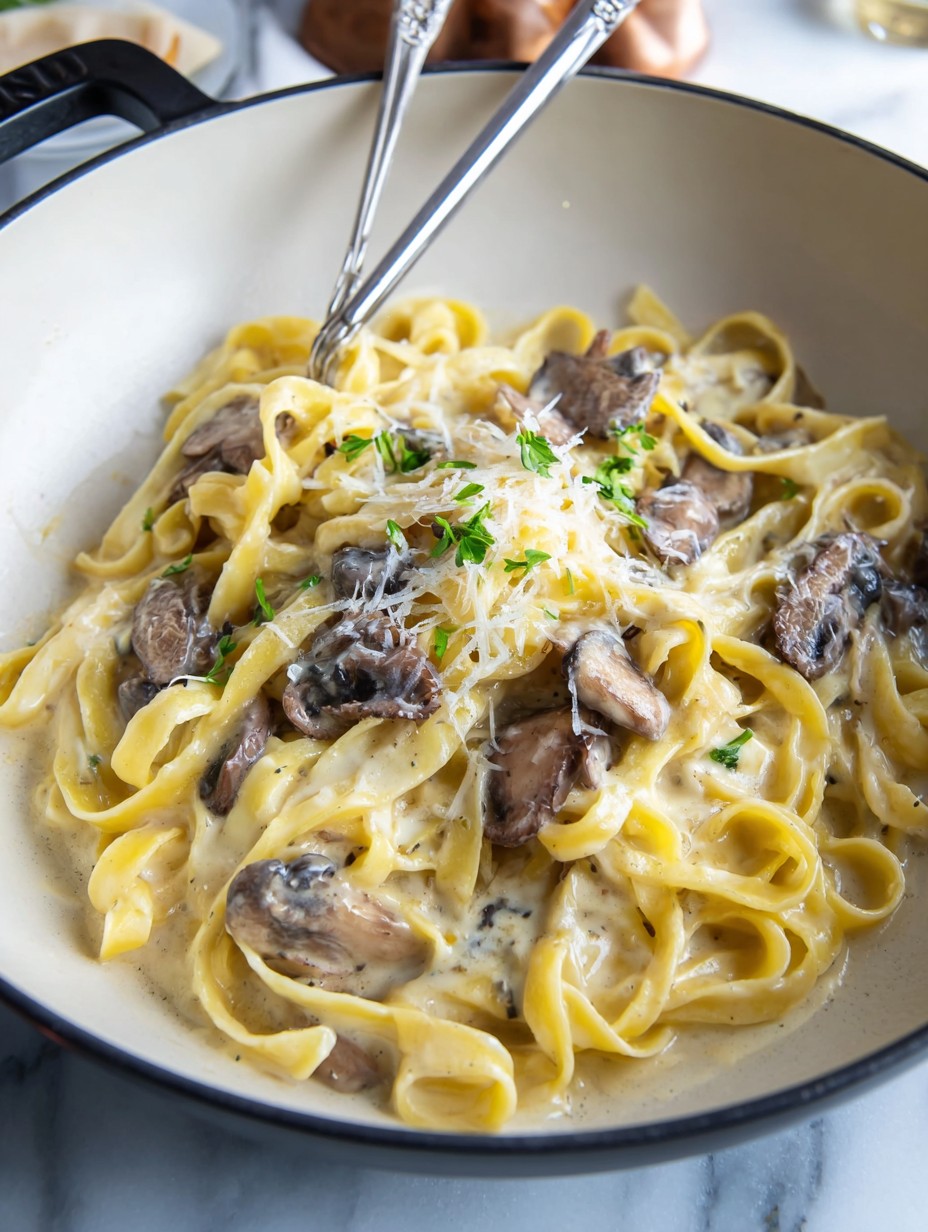
Why I Keep Coming Back to This One
I make this when it’s been one of those weeks (you know when the laundry grows legs and walks off on its own). Or when friends text at the last minute saying they're stopping by and I still want to impress with very little actual faff. My family goes crazy for this because it tastes so rich and decadent—little do they know it’s basically a 20-minute wonder (shh). I used to mess up the sauce timing and wind up with clumpy cheese, but I got smarter (well, trial and error and stubbornness helps). And ok, sometimes it’s an excuse to use that jar of truffle oil lingering in the back of the cupboard.
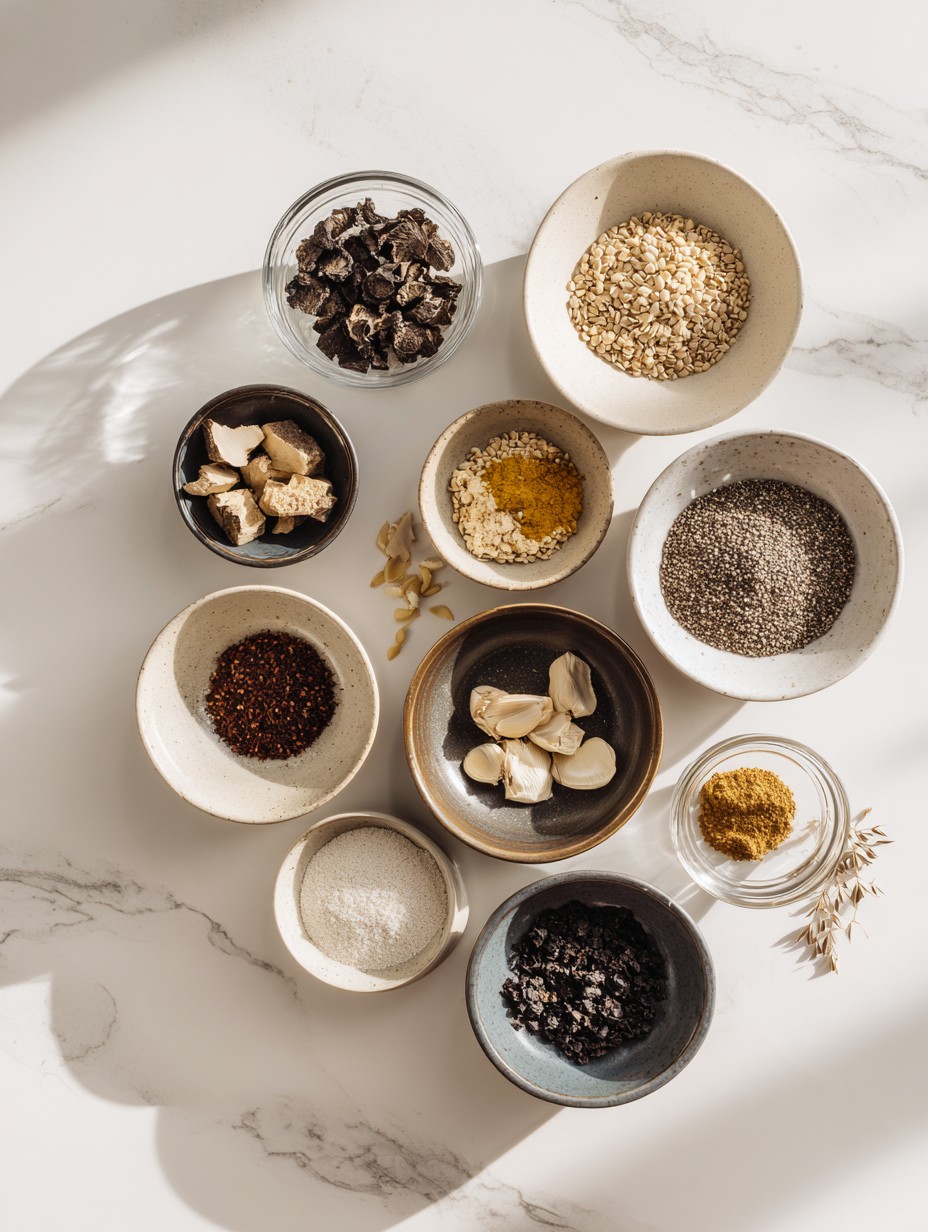
Gather Up the Stuff: What You'll Need
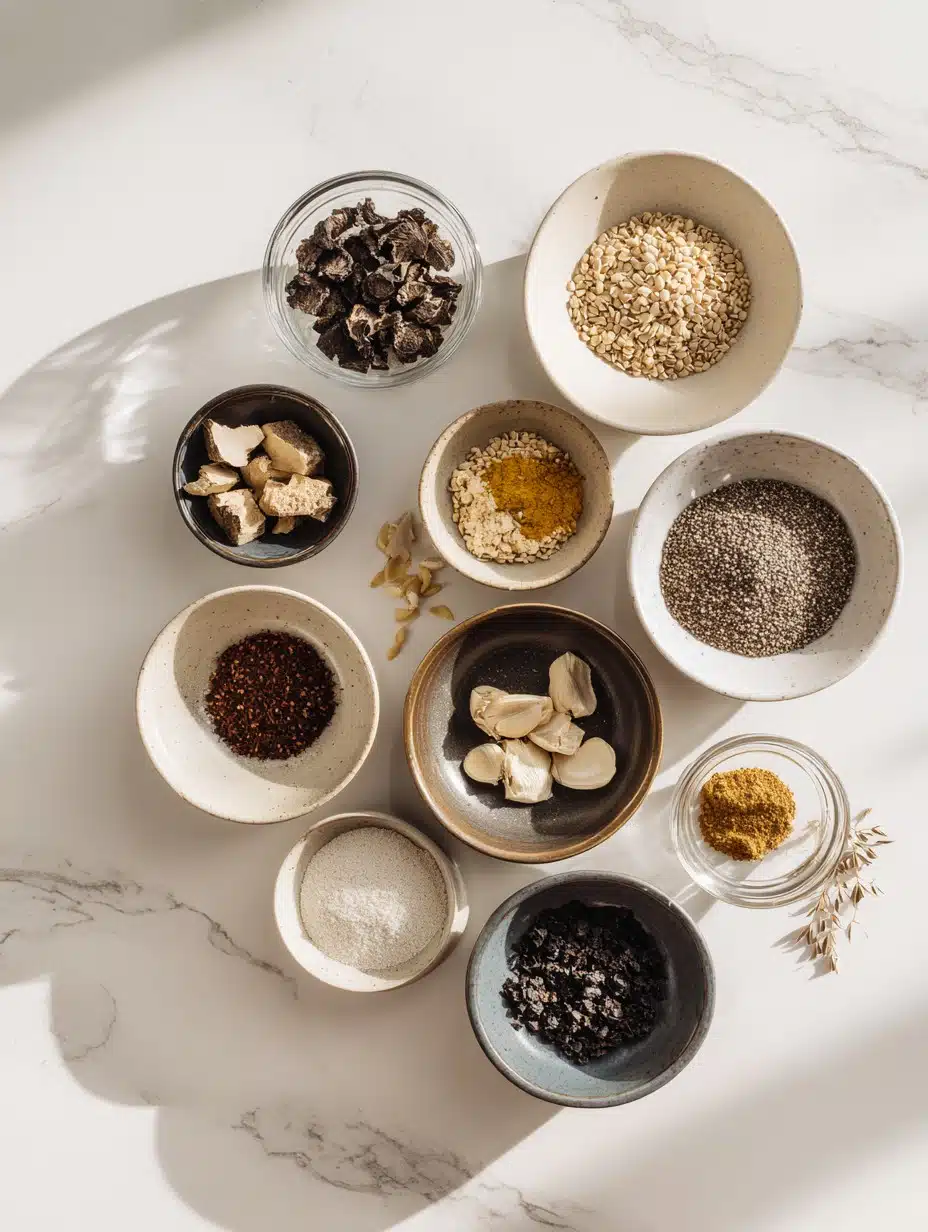
- 250g pasta (tagliatelle gets my vote, but spaghetti or fettuccine works just as well—I’ve even used penne in a pinch, though purists will wag a finger)
- 25g unsalted butter (my gran swore by Lurpak, but, honestly, whatever you’ve got knocking about)
- 2 tablespoon good-quality olive oil (I sometimes up this if my butter stash is low)
- 1–2 tablespoon truffle oil (start with less and adjust—this stuff is a show-off, and a little too much takes over, trust me)
- Fresh black truffle, about 10g, thinly shaved (I’ve used a jarred version in winter, but fresh is chef’s kiss if you can swing it)
- 1 small clove garlic, very finely chopped (or skip it if you prefer, but garlic lovers unite!)
- 35g grated parmesan (pecorino is a solid stand-in—whatever’s well-aged and salty)
- Salt and lots of black pepper (I go heavy on the pepper but you do you)
- Handful chopped parsley (totally optional; adds some green if you want it to look all cheffy)
Cooking It Up—Don’t Stress Over the Steps!
- Pop a big saucepan of salted water on to boil. No measuring here—just throw in a “good pinch.”
Slide your pasta in and cook according to packet instructions (I always taste towards the end, because I like mine bordering on too firm—I think it’s an Italian thing I picked up, or maybe just impatience). - While the pasta’s going, melt the butter with the olive oil in a large pan over medium heat. (This is usually when I wipe down the counters, or, let’s be real, scroll my phone for the latest silly meme.)
- Once the butter’s foaming, toss in the garlic and swirl it for 30 seconds. Not too brown—otherwise it goes bitter (ask me how I know...)
- Now the fun bit: Add half your truffle oil to the pan and give it a quick swirl—just until it smells like heaven. (Sometimes, I sneak a small spoon just to taste the butter blend. Don’t judge).
- When the pasta’s just shy of done, use a mug to save a bit of pasta water—don’t forget or you’ll be sad later. Drain the noodles and toss them straight into your butter/truffle pan.
- Give everything a toss-toss. If it looks a bit dry or clumpy, add a splash of that saved starchy water. (Don’t worry if it looks weird—run with it).
- Take the pan off the heat (I always forget and wonder why my cheese gets all stringy—but off the heat, trust me). Scatter in the parmesan, most of your truffle shavings, and more black pepper than seems reasonable. Stir everything together. Drizzle with the rest of your truffle oil. Splash of pasta water if needed again—depends on the mood of your noodles, really.
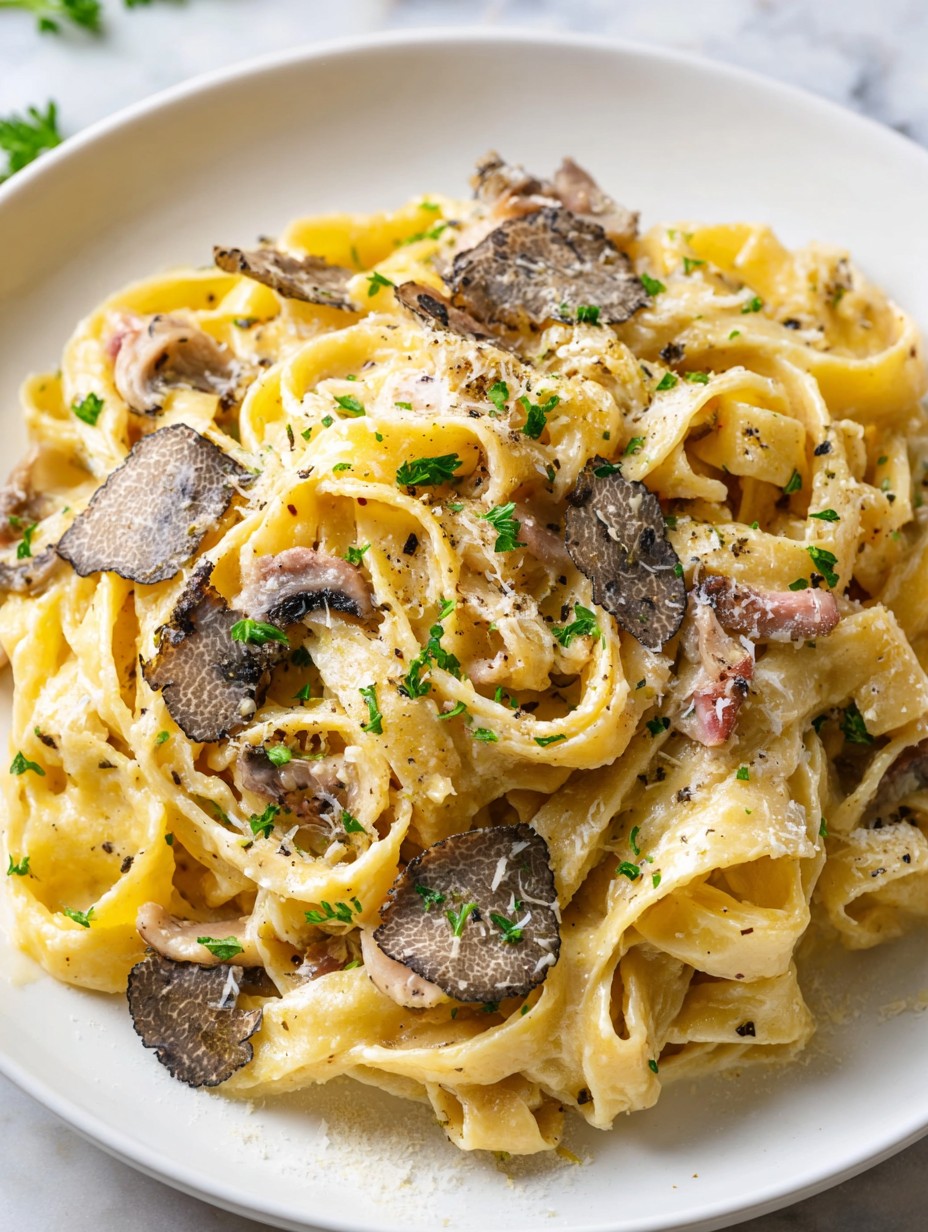
- Serve in warmed bowls, topped with parsley and the rest of the truffle. Try not to eat it all right out of the pan (never works for me).
Notes I’ve Picked Up From Past Mishaps
- Once tried making this with dry supermarket parmesan; result: cheese dust everywhere, sauce not so much. Freshly grated really does make a difference—but if you’re desperate, go slow and stir lots.
- There was *that* time I poured the truffle oil straight from the bottle over the pan—never again. Drizzle, don’t dump.
- If your sauce splits or gets greasy, just add a splash of the pasta water and work it like you’re coaxing a cat off the kitchen table.
Variations (Some Better Than Others!)
- I once added crispy prosciutto on top—delicious, but it sort of overwhelmed the truffle. I’d say skip it, but, eh, worth a try once.
- Tried chopped wild mushrooms sautéed with the butter when I had a glut—a winner! More earthy flavor.
- One time went totally off-piste and tried a vegan version with oat milk and nutritional yeast; it wasn’t bad, but, I probably won’t make it again unless I have to.
Equipment (But Don’t Panic If You Don’t Have Everything)
- Good pasta pot (but, honestly, I’ve managed in a deep frying pan when the pot’s MIA)
- Big pan for the sauce
- Microplane or fine grater (for fancy cheese shavings, but a box grater works, or even a vegetable peeler in a pinch)
- Something to shave the truffle—honestly, a potato peeler will do if you’re gentle
Keeping Leftovers
Supposedly keeps in the fridge, airtight, up to 2 days and reheats gently with a dash of cream or water. But—let’s be honest—it disappears by morning in my house (I blame mysterious midnight snackers). Cold truffle pasta is surprisingly good too, fyi.
How I Like to Serve It
I love this with a bright, lemony salad on the side (sort of resets the tastebuds after all the richness). And, yeah, if I’m feeling proper Italian, I’ll open a bottle of cheap-ish prosecco (because why not?) My cousin dips torn ciabatta in the empty sauce pan; I pretend it’s tradition now.
A Few ‘Pro Tips’ from Someone Who’s Messed Up Before
- Once tried to rush things and dumped cheese into still-boiling pasta—resulted in gummy strands. Actually, I find it works better if you let the pan cool just a smidge before adding cheese.
- Don’t skimp on salt in the pasta water—it’s where most of the flavor comes from. Learned THAT the hard way after making a bland batch for my in-laws. Oops.
- If you’re using jarred truffle, taste as you go. Some are stronger than others (found that out the weird way; could smell truffles for days!)
Your Burning Questions (I’ve Heard These Before!)
- Do I need actual fresh truffle for this?
Short answer: No, but it’s a treat if you can get it. I’ve used jarred truffle shavings and even just truffle oil. Still fancy. - Can I double the recipe?
Absolutely; just use a wider pan so the pasta doesn’t clump. Learned that when I tried feeding half the street at once. - Is this okay for vegetarians?
Yup! Just make sure your cheese is veggie-friendly. (Some parmesan isn’t.) - What if my pasta gets cold?
Add a splash of boiling water and toss over low heat—works almost like magic, though sometimes I just eat it cold and call it a day. - Any non-dairy options?
See above about that oat milk adventure—creamy coconut milk is, er, strange here. Stick to nut-based cream if you go this route. - What’s the weirdest place you’ve eaten this?
Honestly? On a garden step while watching the rain. Not recommended—pasta bowl got soggy, but the mood was right.
Well, if you’ve made it this far, congrats (and maybe pour yourself a glass of something good). Give this truffle pasta a go; even if you have a hiccup or two, it’ll still taste a whole lot better than most restaurant versions. Happy cooking—let me know if you discover another twist!
Ingredients
- 12 oz (340 g) fettuccine or tagliatelle pasta
- 2 tablespoons unsalted butter
- 2 tablespoons extra virgin olive oil
- 2 cloves garlic, minced
- ½ cup heavy cream
- ½ cup grated Parmesan cheese
- 1 tablespoon truffle oil
- Salt and freshly ground black pepper, to taste
- Fresh parsley, chopped, for garnish
- Optional: shaved black truffle, for topping
Instructions
-
1Bring a large pot of salted water to a boil. Cook the pasta according to package instructions until al dente. Reserve ½ cup of pasta water, then drain.
-
2In a large skillet over medium heat, melt the butter and add olive oil. Add minced garlic and cook for 1-2 minutes, until fragrant but not browned.
-
3Pour in the heavy cream and bring to a gentle simmer. Stir in Parmesan cheese until melted and smooth.
-
4Add the cooked pasta to the skillet and toss to coat in the sauce. Mix in truffle oil, salt, and pepper. Add reserved pasta water a little at a time if the sauce is too thick.
-
5Divide the pasta among bowls. Garnish with chopped parsley and, if desired, shaved black truffle. Serve immediately.
Approximate Information for One Serving
Nutrition Disclaimers
Number of total servings shown is approximate. Actual number of servings will depend on your preferred portion sizes.
Nutritional values shown are general guidelines and reflect information for 1 serving using the ingredients listed, not including any optional ingredients. Actual macros may vary slightly depending on specific brands and types of ingredients used.
To determine the weight of one serving, prepare the recipe as instructed. Weigh the finished recipe, then divide the weight of the finished recipe (not including the weight of the container the food is in) by the desired number of servings. Result will be the weight of one serving.
Did you make this recipe?
Please consider Pinning it!!