

Let Me Tell You About This Roasted Butternut Squash Soup
If I had a pound for every time someone in my house asked, "Are you making that squash soup again?" I'd have (well, not a fortune) but enough to buy a fancier blender. This is the soup I started making when I accidentally bought two butternut squashes instead of one, and figured, what could possibly go wrong? Besides maybe my old blender groaning like a rusty gate. Anyway, this soup is a little bit sweet, a little bit spicy, and always disappears faster than you'd think. If you've never tripped over a rolling butternut squash trying to get it out of your cupboard, have you really embraced autumn?

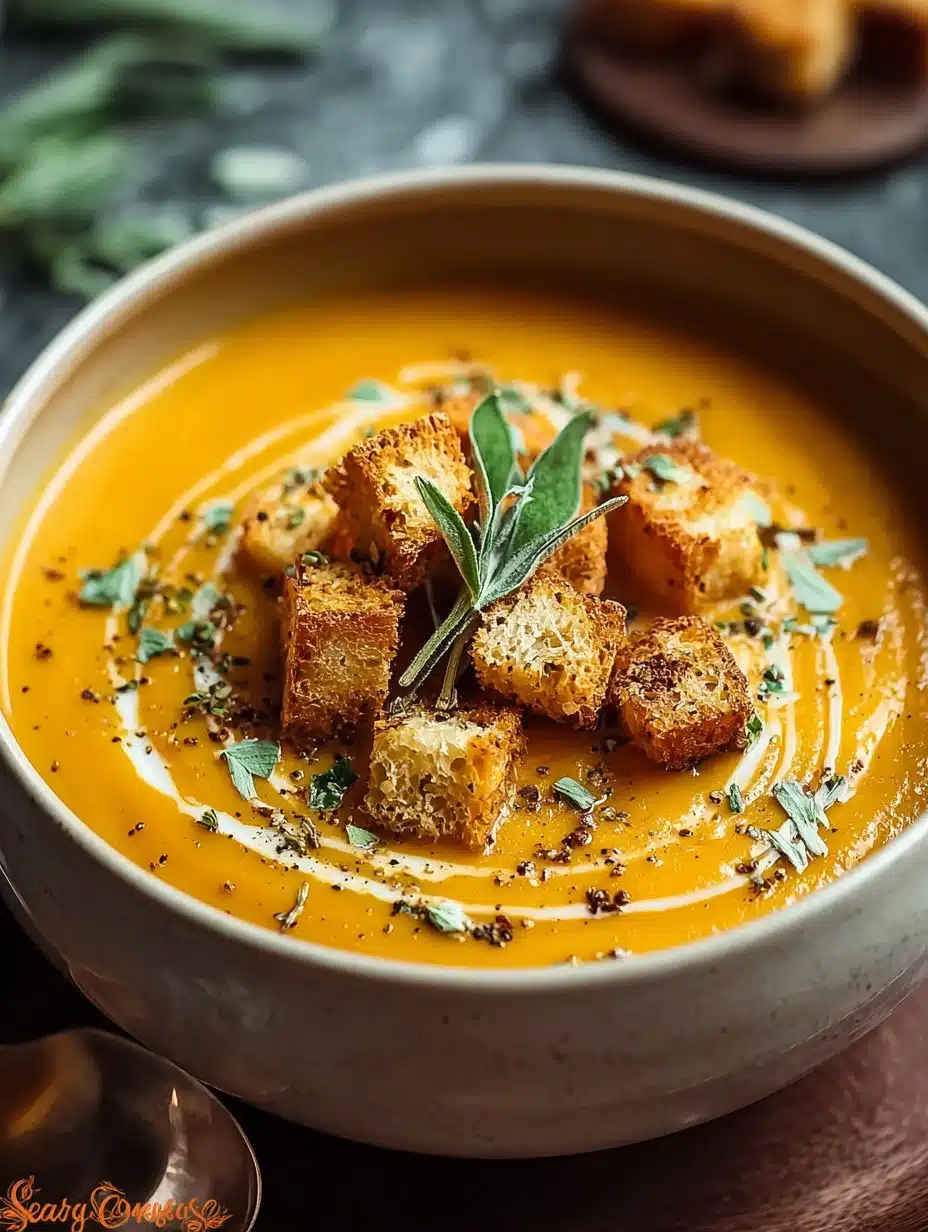
Why You'll Love This Butternut Squash Soup
I make this whenever I want something that feels both fancy and stick-to-your-ribs cozy—seriously, my family goes crazy for it (even my toddler ate two bowls once, but let's not assume that'll happen every time). I’m also not above serving it as dinner when I forget to thaw anything else—no shame. On nights when it’s too grey outside to care, this soup honestly makes the kitchen smell great. Plus, you get to roast things, which always feels a bit like magic. And if you’ve ever thought, "Soup can’t be filling," this’ll show you otherwise.
What You'll Need (And Substitutions That Totally Work)
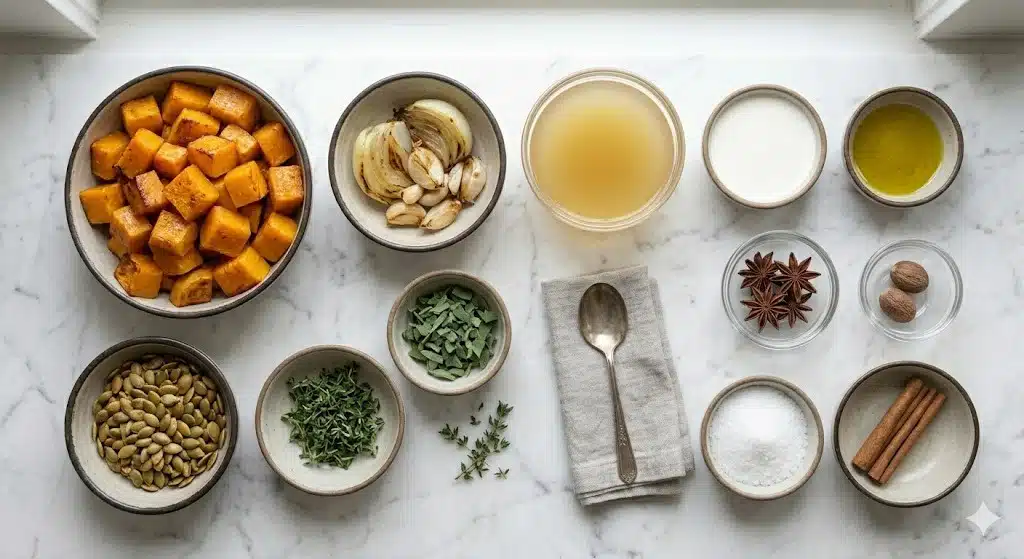
- 1 medium butternut squash (about 1kg or so, peeled and cubed—though, I've skipped peeling in real emergencies. Texture's just a bit more rustic, but good!)
- 2 tablespoons olive oil (sometimes I just glug it on, but 2 tablespoons is safest)
- 1 large yellow onion, chopped (red onion if that's all you've got; it muddles the color, but who cares?)
- 2 carrots, peeled and sliced (or 4 smaller ones; or parsnips if you're feeling wild)
- 3 cloves garlic, peeled (I use one more sometimes, especially if the garlic is tiny)
- 1 teaspoon salt, plus more to taste (table salt is fine—my grandmother would clutch her pearls at that)
- ½ teaspoon black pepper (sometimes I go heavier if it’s cold enough)
- ½ teaspoon ground cumin (optional, but I love the extra depth)
- 4 cups (1 liter) vegetable broth (chicken broth also works, honestly, or mix with water if you’re short)
- ½ cup coconut milk (or cream, or even just a swirl of Greek yogurt at the end if that’s what you have)
- Pinch of cayenne or smoked paprika (for a little kick—totally optional)
How I Make It (But You Do You)
- Preheat your oven to 425°F (220°C). Lay out the butternut squash cubes on a big baking tray—don't crowd them. Drizzle with olive oil, toss 'em around, sprinkle with salt and pepper. Roast for about 30 minutes (give or take), tossing once. You want golden brown bits, not charred hunks. Don't panic if a few edges get darker. It’s part of the charm.
- While that’s happening, heat a big soup pot on medium. Add a splash of olive oil, then throw in your onions, carrots, and more salt. Cook until everything gets soft and your kitchen smells like proper comfort—about 8-10 minutes, stirring now and then. If you forget to stir for a bit, it’s fine, unless it’s burning—in which case, just scoop out the black bits. (Happened to me more than once!).
- Add the garlic and cumin (and cayenne if you like a bit of heat). Stir it around for a minute so nobody’s raw.
- Tip in your roasted squash right into the pot. Bits that stick to the tray? Scrape them in—flavor gold. Pour over the broth, bring to a simmer, and give it a good mix. Let it bubble very gently for about 10-15 minutes. Sometimes I lose track and go longer. As long as nothing is sticking, you’re golden.
- This is where you grab your stick blender and blitz everything right in the pot until smooth. Or carefully (learned this the hard way) ladle it into a blender in batches. Leave room for steam to escape—or you’ll end up with soup on your ceiling. Been there, mopped that.
- Once silky smooth, stir in the coconut milk. Taste. Need more salt? Pepper? Sometimes a bit of extra cumin? Now’s your time. I usually sneak a spoonful here, because why not?
- Ladle into bowls, maybe swirl a bit more coconut milk (fancy chef move). Crack a bit of pepper on top or sprinkle with pumpkin seeds if you’re feeling chef-y. Enjoy while it’s piping hot—blows the cobwebs away!

Notes (The Stuff They Don’t Tell You)
- If you’re in a rush, microwaving the squash cubes for a couple minutes before roasting helps speed things up. (But honestly, it’s better roasted slow.)
- The soup thickens a little as it sits. I think it tastes even better the next day, not that we ever have leftovers long enough to prove it.
- If you end up with stringy squash, just blend a bit longer—or embrace the rustic look! Adds character.
Variations (And the One That Was... Weird)
- Add a peeled apple to the pot with the carrots for a hint of sweetness—kids apparently love it.
- Use sweet potatoes instead of squash (did this once because that's all I had—it's a bit sweeter, still great).
- Once I tried stirring in curry powder. It was... odd. Not my favorite. Go light on that unless you reaaally like curry.


Do I Really Need That? Equipment I Actually Use
- Baking tray for roasting—biggest one you've got.
- Decent soup pot (if you only have a small one, just work in batches; it's not ideal but sometimes you gotta wing it).
- A stick blender. If not, your old blender or food processor will manage. Just, trust me, vent the lid. Soup volcano is a thing.
How to Store It (But Ours Never Seems to Last)
- Let the soup cool a bit; fridge in a container for up to 3-4 days. It freezes well for a month or two (tastes fresher if you eat it sooner, in my humble opinion).
- Funny thing—it’s usually gone in a day and a half here, so maybe don’t overthink storage unless you have heroic self-control.
How I Serve It (AKA, Dinner at Our Place)
- Chunk of thick, crusty bread—preferably warm. My cousin dunks grilled cheese in hers, which is honestly legendary.
- Swirl of Greek yogurt, or just more coconut milk if I want to feel posh.
- For some reason, having soup in mugs on the sofa just tastes better. No idea why. But you do you.
Pro Tips (Learned the Hard Way, Sometimes)
- Don’t skip roasting the squash. I tried to boil it once to save time. Tasted flat—a bit like eating a wet napkin.
- Let your veggies sweat gently rather than browning, or your soup might taste weirdly bitter. Learned this with a scorched pot and an unhappy dinner table.
- And don’t be stingy with the salt; squash loves seasoning!
FAQ (Questions People actually ask me)
- Can I use frozen butternut squash? Yep, definitely. It might get a bit mushier and won’t roast quite the same, but nobody noticed—and it’s way less faff.
- How spicy is this soup? Not much, unless you put a big pinch of cayenne. I tend to be a spice coward, so I keep it mild and let folks add their own heat.
- Can I make this vegan? Yes, as written it basically is—just don’t swirl regular cream at the end if that matters.
- If I don't have coconut milk, can I skip it? Sure, but maybe blend in a knob of butter, or even some milk, or just leave it out altogether. The soup will be a bit less silky but still tastes proper good.
- Why is my soup too thick? Sometimes the squash is drier, weirdly enough. Just thin with a bit more broth or water until it feels right.
Oh—and if you ever want to add a handful of toasted nuts on top, it’s pretty lush. That said, one time I tried pecans and found myself picking them out, so maybe stick to pumpkin seeds. Cooking is always an adventure, innit?
Ingredients
- 1 medium butternut squash (about 1kg, peeled and cubed)
- 2 tablespoons olive oil
- 1 large yellow onion, chopped
- 2 carrots, peeled and sliced
- 3 cloves garlic, peeled
- 1 teaspoon salt, plus more to taste
- ½ teaspoon black pepper
- ½ teaspoon ground cumin (optional)
- 4 cups (1 liter) vegetable broth
- ½ cup coconut milk
- Pinch of cayenne or smoked paprika (optional)
Instructions
-
1Preheat your oven to 425°F (220°C). Lay out the butternut squash cubes on a big baking tray—don't crowd them. Drizzle with olive oil, toss 'em around, sprinkle with salt and pepper. Roast for about 30 minutes (give or take), tossing once. You want golden brown bits, not charred hunks. Don't panic if a few edges get darker. It’s part of the charm.
-
2While that’s happening, heat a big soup pot on medium. Add a splash of olive oil, then throw in your onions, carrots, and more salt. Cook until everything gets soft and your kitchen smells like proper comfort—about 8-10 minutes, stirring now and then. If you forget to stir for a bit, it’s fine, unless it’s burning—in which case, just scoop out the black bits. (Happened to me more than once!).
-
3Add the garlic and cumin (and cayenne if you like a bit of heat). Stir it around for a minute so nobody’s raw.
-
4Tip in your roasted squash right into the pot. Bits that stick to the tray? Scrape them in—flavor gold. Pour over the broth, bring to a simmer, and give it a good mix. Let it bubble very gently for about 10-15 minutes. Sometimes I lose track and go longer. As long as nothing is sticking, you’re golden.
-
5This is where you grab your stick blender and blitz everything right in the pot until smooth. Or carefully (learned this the hard way) ladle it into a blender in batches. Leave room for steam to escape—or you’ll end up with soup on your ceiling. Been there, mopped that.
-
6Once silky smooth, stir in the coconut milk. Taste. Need more salt? Pepper? Sometimes a bit of extra cumin? Now’s your time. I usually sneak a spoonful here, because why not?
-
7Ladle into bowls, maybe swirl a bit more coconut milk (fancy chef move). Crack a bit of pepper on top or sprinkle with pumpkin seeds if you’re feeling chef-y. Enjoy while it’s piping hot—blows the cobwebs away!
Approximate Information for One Serving
Nutrition Disclaimers
Number of total servings shown is approximate. Actual number of servings will depend on your preferred portion sizes.
Nutritional values shown are general guidelines and reflect information for 1 serving using the ingredients listed, not including any optional ingredients. Actual macros may vary slightly depending on specific brands and types of ingredients used.
To determine the weight of one serving, prepare the recipe as instructed. Weigh the finished recipe, then divide the weight of the finished recipe (not including the weight of the container the food is in) by the desired number of servings. Result will be the weight of one serving.
Did you make this recipe?
Please consider Pinning it!