
If I’m honest, steak bowls saved my weeknight sanity—here’s why
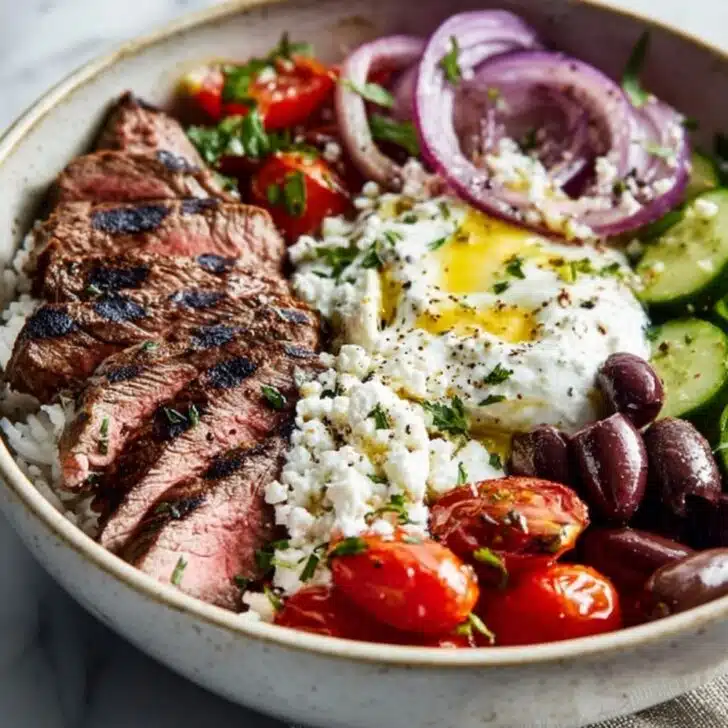
So, you know those evenings where you open the fridge and just... stand there? That was me, right before I started habitually throwing together this Mediterranean Steak Bowl recipe. The first time was actually a total fluke—I had leftover steak, an open jar of roasted peppers, and juuust enough feta crumbles to warrant not polishing them off by the handful (my not-so-secret vice). Next thing you know, the house smells like a taverna, and even the resident picky eaters are hanging out in the kitchen asking, "Is it ready yet?"

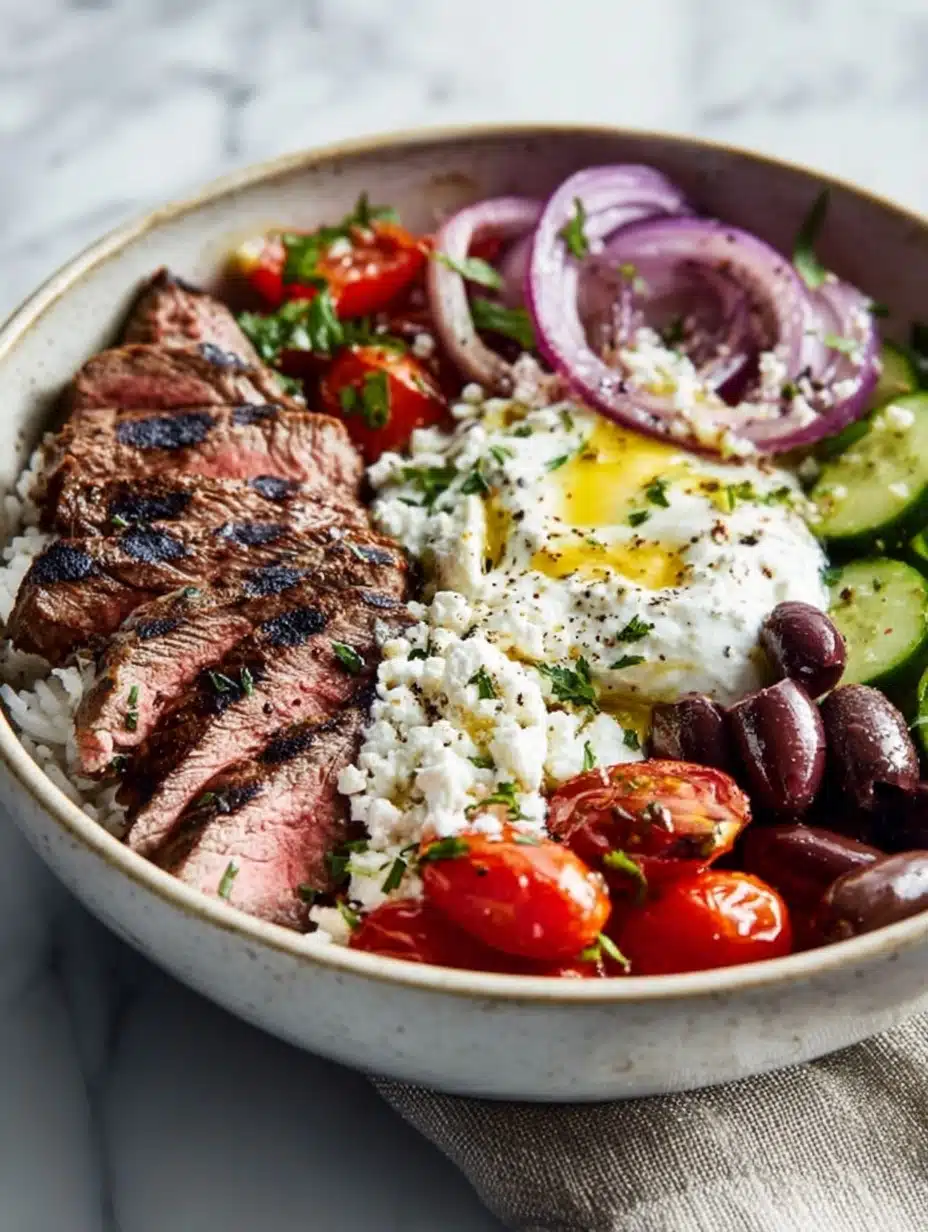
Funny thing: the first bowl I made, I tried to chop veggies with a butter knife because apparently, all my real knives were lost to the sink (classic). Honestly, it came out a bit rustic, but, hey, it was delicious. No one complained. Anyway, let's get into the meat and potatoes—or, you know, steak and farro—of this thing.
Why I Keep Coming Back to This Recipe
I make this whenever I've got steak left over from grill night (or when I've grabbed a random cut on sale—I’m not fussy). My family goes bonkers for this because it’s somehow hearty and fresh at the same time (plus people feel fancy eating from a bowl; it’s a thing). It's also very forgiving: ran out of cherry tomatoes? Use cucumbers. Forgot to buy red onion? Well, skip it or toss in a bit of scallion if you like. Last time I forgot to defrost the steak, so I used shredded rotisserie chicken—still great! Oh, and for the record, the only real struggle is not eating all the olives before they make it to the bowl.
You’ll Need (Plus My Lazy Substitutions)
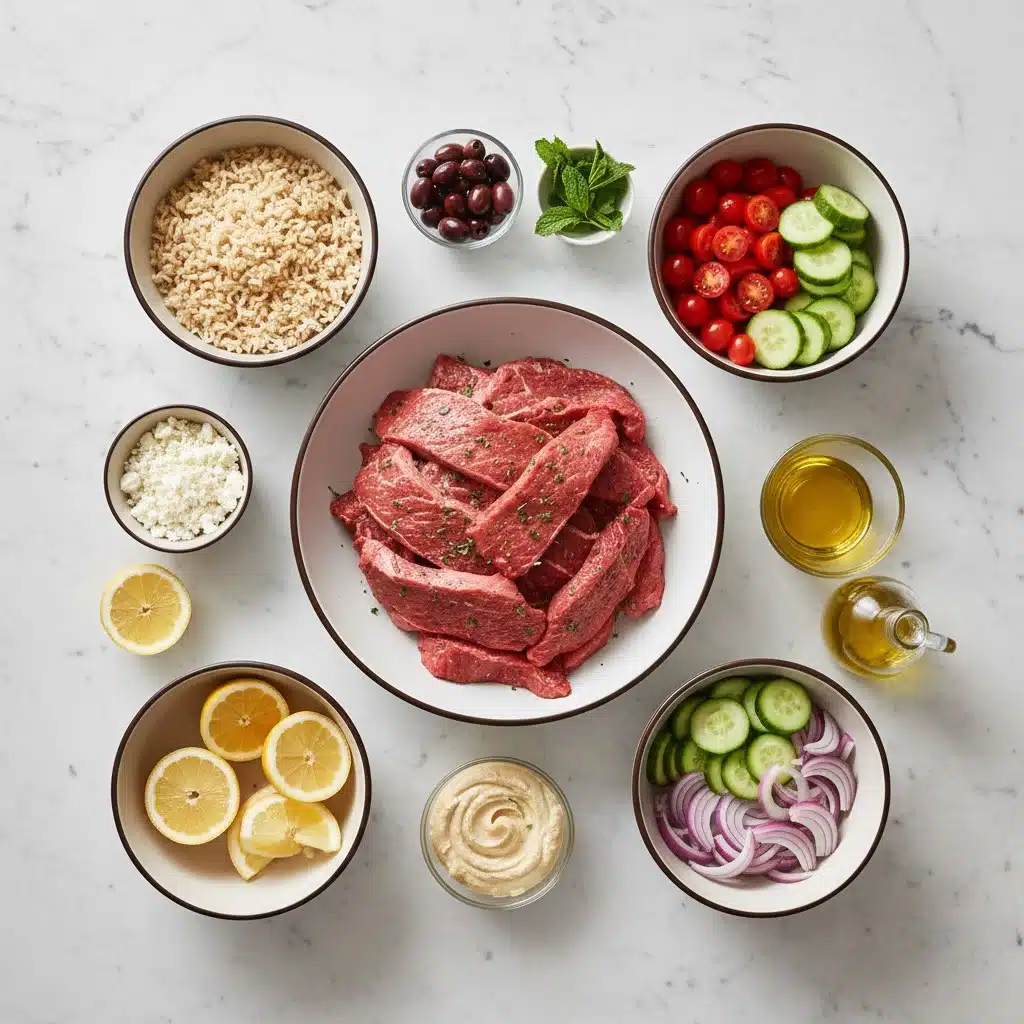
- 10 oz (280g) steak, cooked & sliced thinly (flank or sirloin—honestly, whatever cut’s on sale. Sometimes I even use leftover grilled chicken or tofu when I forget to defrost the steak. It’s all good!)
- 1 cup cooked farro (or quinoa, rice, or even couscous; I use whatever grain I’ve batch-cooked—my grandma was a quinoa loyalist, but I think farro holds up better in a bowl personally)
- ½ cup cherry tomatoes, halved (or, grab that slightly wrinkly tomato on the counter—nobody cares)
- ⅓ cup diced cucumber (I use Persian, but English or even peeled regular cucumbers work fine)
- ¼ cup thinly sliced red onion (my spouse doesn’t love raw onions, so sometimes I soak the slices in ice water to tame them)
- ¼ cup Kalamata olives, pitted & halved (green olives if that’s all you’ve got—sometimes I use both)
- ⅓ cup crumbled feta cheese (sheep’s milk is traditional, but honestly, anything labeled feta is cool with me)
- 2 tablespoons roasted red peppers, chopped (optional—but do it if you’ve got ‘em)
- Handful fresh parsley, chopped (or do what I do and just tear it with your hands—less to wash!)
- For the dressing: 2 tablespoons olive oil, 1 lemon juiced, 1 teaspoon dried oregano, salt and pepper to taste (sometimes I add a splash of red wine vinegar if I’m feeling wild)
How I Throw This Together (And Sometimes Get Distracted)
- Cook your grain: If you haven’t already, get your farro boiling in salted water (about 20 minutes or so). Quick tip—sometimes I use those microwaveable bags on busy nights. Trusty and quick.
- While that’s happening, slice up the steak thinly against the grain. If it’s cold straight form the fridge, I sometimes microwave it for 15 seconds just to take the chill off.
- Prep the veggies: halve your cherry tomatoes, dice up that cucumber, thinly slice the onion (or soak it if you’re onion-averse in the house), and chop/tear the parsley. This is where I usually sneak an olive or two. No one’s counting.
- Mix up your dressing: olive oil, lemon juice, dried oregano, salt, pepper. Give it a quick whisk with a fork right in a mug (because who wants to wash extra bowls?).
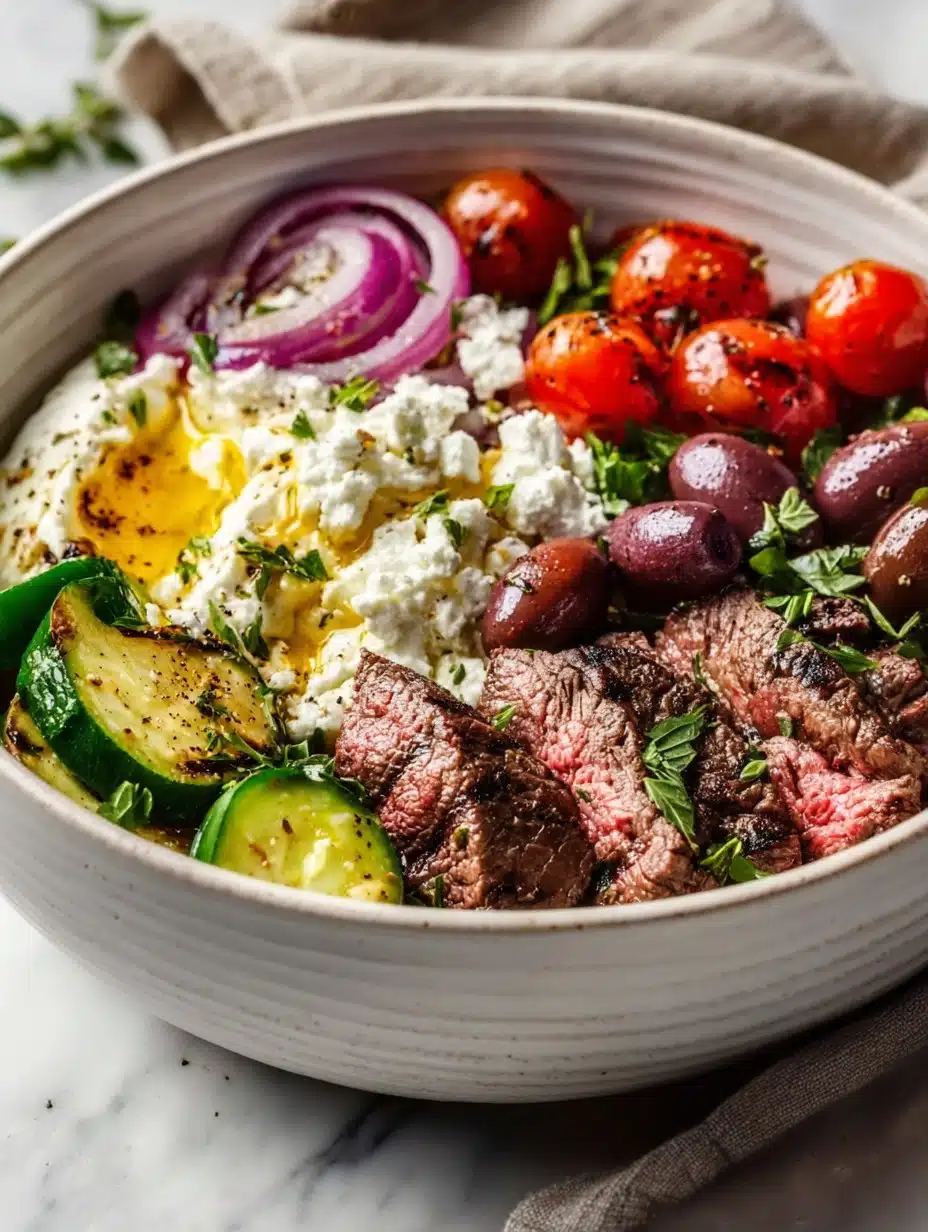
- Assembly time: Start with a scoop of farro in your bowl. Top with steak slices, then arrange the veggies, olives, feta, and roasted red peppers. I never get the presentation right but, honestly, it all tastes the same mixed up.
- Drizzle the dressing over everything, toss on some parsley, and give it a gentle toss if you want it all coated. Or leave it layered—up to you!

Notes from My Slightly Chaotic Kitchen
- Farro tastes better the next day, in my humble opinion. Maybe it soaks up flavors? Not sure, but I stand by it.
- If your steak’s a bit tough, slice thinner—it covers a multitude of sins.
- I once tried this with pickled onions and thought it was too much—just me?
If You’re Feeling Adventurous (or Reckless)
- I swapped the steak for grilled shrimp once. Pretty solid, actually. Chicken also works—my neighbor even tried halloumi!
- One time I went all-in on fresh mint instead of parsley... sort of tasted like toothpaste. Maybe just stick to a mix or go light.
- Want heat? Toss in some sliced pepperoncini. It was a surprise winner at my last potluck.

The Gear I Usually Grab (But There’s Always a Workaround)
- Decent chef’s knife (unless your kids hid it, in which case a serrated bread knife weirdly does okay)
- Medium saucepan for the grains
- Mixing bowl (or, real talk, sometimes I just use a salad spinner bowl)
How Well Does This Keep? (Spoiler: Not Long in My House)
Technically, you can keep leftovers in an airtight container for up to 2 days. Just keep the dressing separate. But honestly, it never sticks around that long here. One time I made a double batch, and by lunch the next day—poof, gone. Maybe your household has more willpower?
Here’s How I Like to Serve It
I pile everything up, then do a not-so-subtle drizzle of extra olive oil on top. My sister always asks for pita chips on the side, and I totally support this. Sometimes I scatter a few more feta crumbles for good luck. Also, when I’m feeling fancy, a splash of aged balsamic at the end (definitely not traditional, but who’s policing?).
What I Wish I Knew Sooner (aka My "Oops" List)
- Don’t rush the grain cooking—I once tried to halve the time and ended up with a weirdly chewy situation. Not pleasant. Actually, I find it works better if you let it sit, lid on, off the heat for a bit before serving.
- Layering the veggies rather than mixing them all at once is prettier (but nobody in my crowd cares, so do what you want).
- Let the steak rest before slicing! I mean, I say this, but every time I’m in a hurry, I forget and all the juice runs out. Ah well.
Questions I Actually Get Asked… For Real
- Can I grill the steak just for this? You bet. In fact, it’s better on the grill if you’ve got time. Or a grill pan if the weather is rubbish. Or, you know, on the stovetop if you can't be fussed.
- Can I make this vegetarian? Absolutely—just skip the steak or swap for grilled eggplant or tofu. Halloumi works, too—my friend Becky swears by it.
- Is there a shortcut for the grains? Ha! Yes—those frozen or microwave pouches save my sanity all the time. Not as romantic, but super handy.
- How spicy is this? Not at all—unless you add hot peppers or a dusting of chili flakes. I tried harissa once, but, er... might not have been my best idea unless you like a kick.
- Can I prep this ahead for lunches? Definitely, though if you keep it in one container, keep the dressing on the side or it gets a little soggy. Or, honestly, just eat it straight from the fridge like I do when patience runs out.
Anyway—if you make this, don’t be surprised if it ends up in your regular dinner rotation. Trust me, it’s dangerously habit-forming.
Ingredients
- 10 oz (280g) steak, cooked & sliced thinly (flank or sirloin—honestly, whatever cut’s on sale. Sometimes I even use leftover grilled chicken or tofu when I forget to defrost the steak. It’s all good!)
- 1 cup cooked farro (or quinoa, rice, or even couscous; I use whatever grain I’ve batch-cooked—my grandma was a quinoa loyalist, but I think farro holds up better in a bowl personally)
- ½ cup cherry tomatoes, halved (or, grab that slightly wrinkly tomato on the counter—nobody cares)
- ⅓ cup diced cucumber (I use Persian, but English or even peeled regular cucumbers work fine)
- ¼ cup thinly sliced red onion (my spouse doesn’t love raw onions, so sometimes I soak the slices in ice water to tame them)
- ¼ cup Kalamata olives, pitted & halved (green olives if that’s all you’ve got—sometimes I use both)
- ⅓ cup crumbled feta cheese (sheep’s milk is traditional, but honestly, anything labeled feta is cool with me)
- 2 tablespoons roasted red peppers, chopped (optional—but do it if you’ve got ‘em)
- Handful fresh parsley, chopped (or do what I do and just tear it with your hands—less to wash!)
- For the dressing: 2 tablespoons olive oil, 1 lemon juiced, 1 teaspoon dried oregano, salt and pepper to taste (sometimes I add a splash of red wine vinegar if I’m feeling wild)
Instructions
-
1Cook your grain: If you haven’t already, get your farro boiling in salted water (about 20 minutes or so). Quick tip—sometimes I use those microwaveable bags on busy nights. Trusty and quick.
-
2While that’s happening, slice up the steak thinly against the grain. If it’s cold straight form the fridge, I sometimes microwave it for 15 seconds just to take the chill off.
-
3Prep the veggies: halve your cherry tomatoes, dice up that cucumber, thinly slice the onion (or soak it if you’re onion-averse in the house), and chop/tear the parsley. This is where I usually sneak an olive or two. No one’s counting.
-
4Mix up your dressing: olive oil, lemon juice, dried oregano, salt, pepper. Give it a quick whisk with a fork right in a mug (because who wants to wash extra bowls?).
-
5Assembly time: Start with a scoop of farro in your bowl. Top with steak slices, then arrange the veggies, olives, feta, and roasted red peppers. I never get the presentation right but, honestly, it all tastes the same mixed up.
-
6Drizzle the dressing over everything, toss on some parsley, and give it a gentle toss if you want it all coated. Or leave it layered—up to you!
Approximate Information for One Serving
Nutrition Disclaimers
Number of total servings shown is approximate. Actual number of servings will depend on your preferred portion sizes.
Nutritional values shown are general guidelines and reflect information for 1 serving using the ingredients listed, not including any optional ingredients. Actual macros may vary slightly depending on specific brands and types of ingredients used.
To determine the weight of one serving, prepare the recipe as instructed. Weigh the finished recipe, then divide the weight of the finished recipe (not including the weight of the container the food is in) by the desired number of servings. Result will be the weight of one serving.
Did you make this recipe?
Please consider Pinning it!