
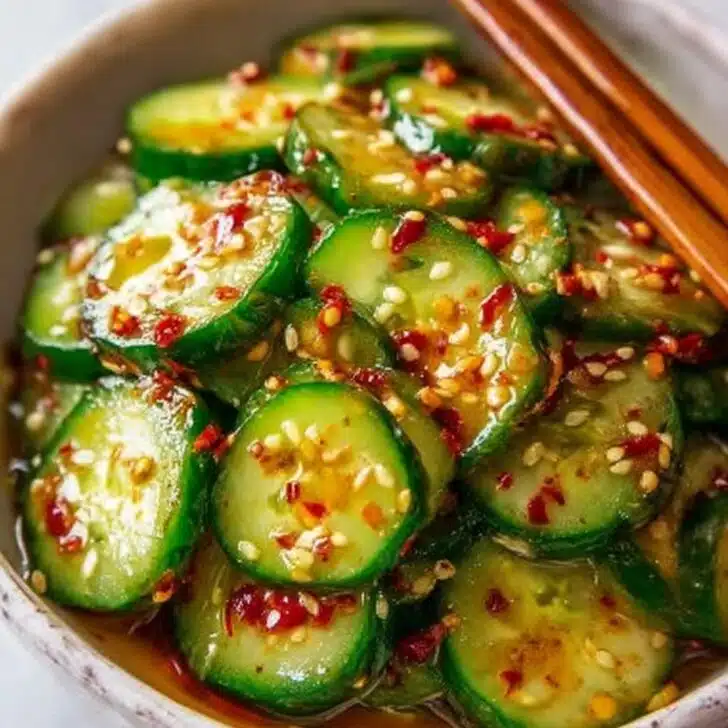
An Ode to the Unsung Hero: Cucumber Salad Memories
Okay, so you know when you're just craving something cold, crunchy and a bit spicy with your dinner and nothing else will do? That’s basically how I landed on this Korean cucumber salad ("oi muchim" if you're feeling fancy)—the ultimate side dish that somehow makes a grilled cheese or a big bowl of ramen just... better. The first time I made this, I got a little too bold with the red pepper flakes (lesson learned!), but even then, my family kept going back for more. Plus, cucumbers are way less expensive than therapy. So, yeah.

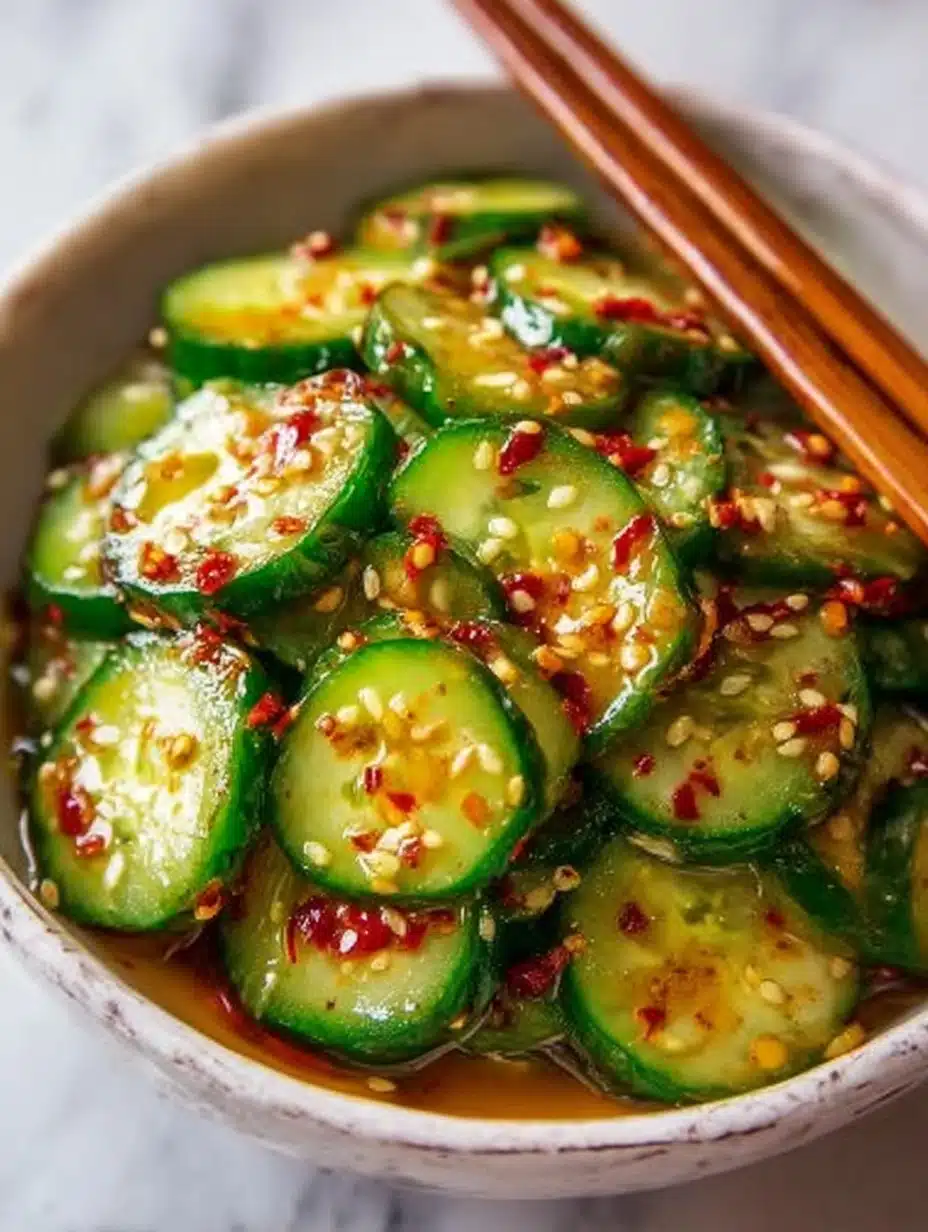
Why I Keep Coming Back to This Salad
I make this when I'm feeling too lazy to cook a veggie, but want to feel like I've made an effort—it's so fast, it basically happens before you realize. My family goes bananas for this because it's crunchy, salty, garlicky, spicy, a little sweet. And there are no leftovers. Ever. Actually, the ONLY time folks complain is if I forget to, you know, triple the batch. Also, I like that it still tastes good even if the sesame oil situation gets a bit out of hand (which, for me, tends to be often).
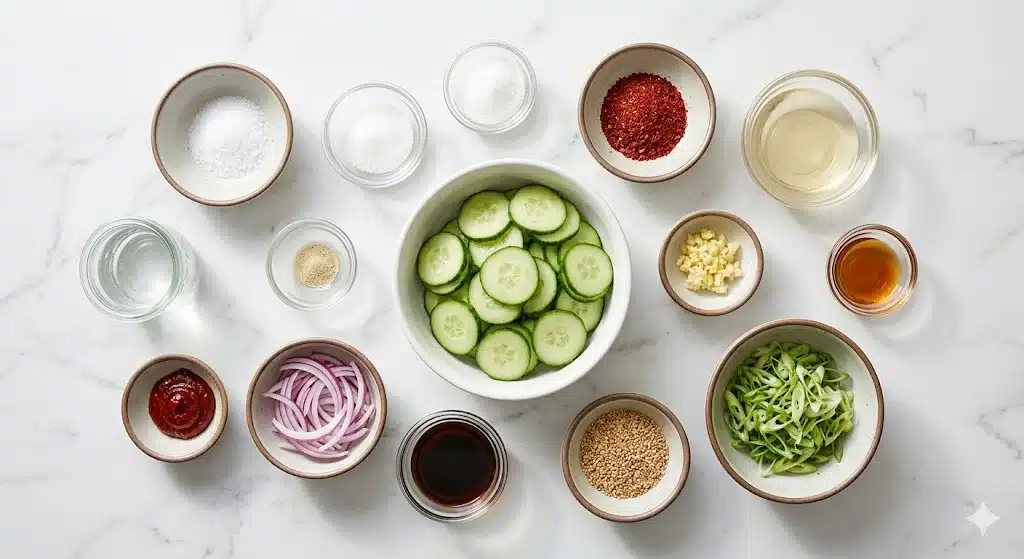
Ingredients (And a Few Substitutions from My Kitchen)
- 2 long English cucumbers (or, honestly, about 6 of the short Persian ones work fine—use what ya got)
- ½ teaspoon salt (I've reached for flaky sea salt when I'm feeling extra, but regular is fine)
- 2 cloves garlic, minced (sometimes I get lazy and use the jarred stuff—don't tell anyone)
- 2 tablespoons rice vinegar (my grandmother insisted on Marukan, but most rice vinegars taste pretty similar unless you're a vinegar snob—no shade!)
- 1 tablespoon sugar (I've used honey in a pinch, just go a little lighter)
- 1 tablespoon gochugaru—Korean red pepper flakes (if you're out, I've subbed in regular red chili flakes, but it's really just "close enough")
- 1 tablespoon soy sauce (I tend to spill a bit extra; don't sweat it)
- 2 teaspoons sesame oil
- 1 teaspoon toasted sesame seeds (when I run out, I just don't use them. Salad still gets devoured)
- 1 green onion, thinly sliced (I sometimes skip this if I don't have any; it's still legit)
The Way I Actually Make This—Not Just the "Official" Version
- Slice the cucumbers—fairly thin, about as wide as a coin or maybe a wee bit thicker. Pop them into a colander set in your sink, toss them with the salt, and give them a little shake. Leave for 15-20 minutes (this draws out water and, full confession, this is where I sometimes wander off and forget about them).
- After they've sweated it out, rinse them quickly with cold water to get rid of the salt. Shake them dry or give them a solid pat with paper towels (don't stress, a little extra water is fine).
- Throw those cucumbers into a big-ish bowl. Add in the garlic, rice vinegar, sugar, gochugaru, soy sauce, sesame oil, and green onion. Mix it up with your hands if you feel brave, or use some tongs. It's messy but... oddly satisfying.
- This is where I usually sneak a taste—and maybe add a pinch more sugar or vinegar if the mood strikes. (Taste as you go, it's your salad now!)
- Sprinkle the toasted sesame seeds over the top—unless you forgot to buy some, in which case, shrug it off.
- Chill in the fridge for 10 minutes if you can wait. But, yeah, I usually start nibbling immediately.

Stuff I've Learned The Hard Way (Notes Section)
- If you skip salting the cucumbers, you end up with a watery puddle at the bottom (not ideal, unless you have a thing for cucumber soup, which I do not)
- Sometimes my garlic clumps together—mince it real fine or just smush it with a little salt on your board first
- The salad seems spicier after sitting a while. Especially if you went rogue with the chili flakes. Oops
I've Tried These Variations (and One Fail)
- Added thin-sliced radish for a peppery crunch—loved it!
- Swapped rice vinegar for apple cider vinegar once; flavor was sharper, still tasty but not "classic"
- Once tried adding shredded carrot for color... but honestly, it made things a little sweet and weird. Won't do that again

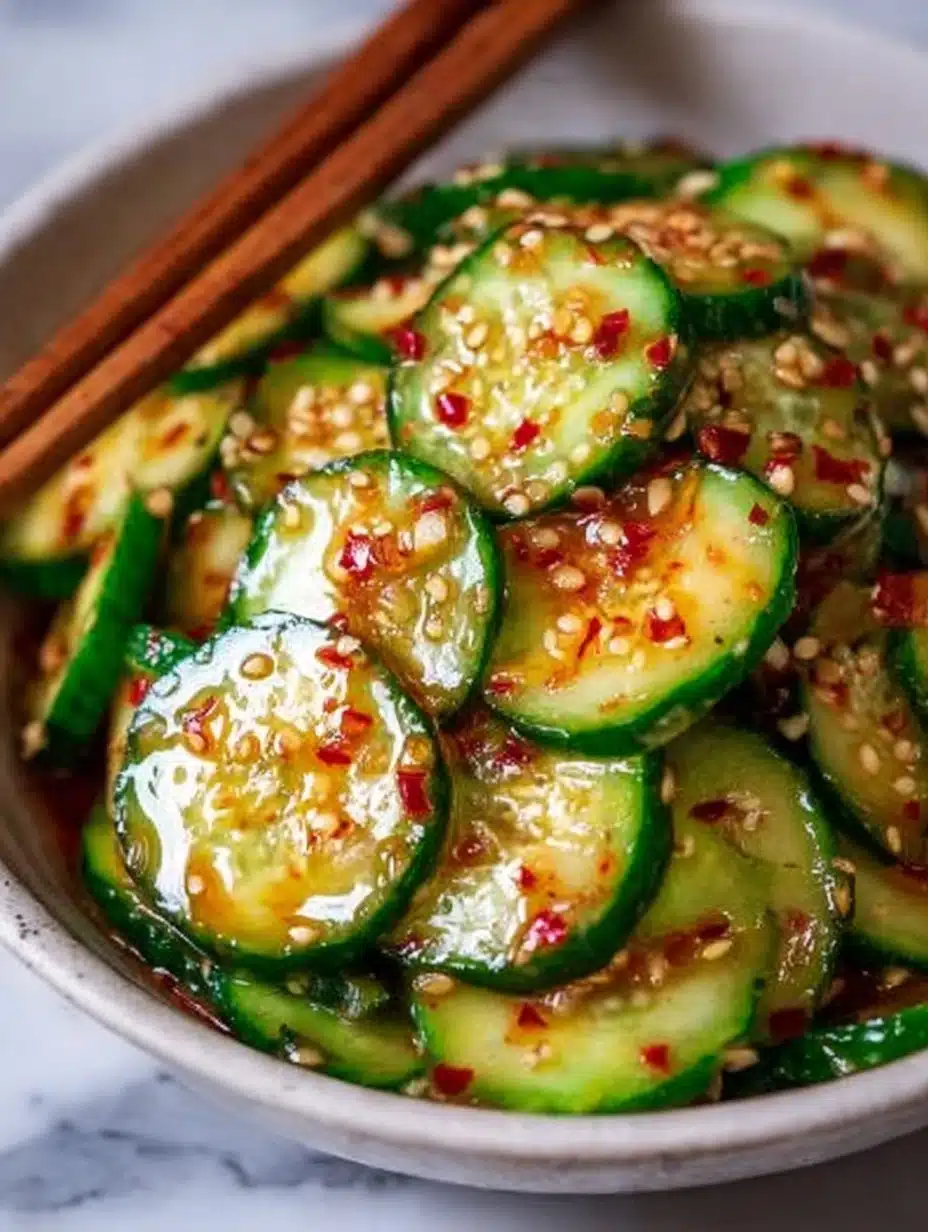
Equipment: Don't Sweat It If You Don't Have Everything
- Colander (I used a slotted spoon over a mixing bowl once, that worked too)
- Mixing bowl
- Cutting board & sharp-ish knife
- Tongs or clean hands—either works!
How to Store (If It Doesn't Disappear Instantly)
Just throw leftovers in a sealed container in the fridge. It'll be just fine for up to 2 days—though, honestly, in my house we've never tested past 24 hours. The flavors get punchier after a night in there, so if you want a calmer salad, eat it quick!
Serving Time: A Little Personal Touch
I serve this right alongside anything grilled—especially bulgogi or even good old hamburgers. My teenager likes to sneak it onto sandwiches, so now I just embrace it: try piling some inside a warm baguette with roast pork or even cold fried chicken. (Don't knock it 'til you've tried it!)
What NOT to Do — My Honest Pro Tips
- Don't rush the salting or skip it. I once tried to save time; ended up with floppy, sad cucumbers and an embarrassing puddle. Not worth it
- Actually, if you use too much sesame oil, it’ll overpower everything. Go light, add more after tasting
- Oh, and don’t let it sit with dressing for hours before serving if you want max crispiness
FAQ: You Asked, I Kinda Answered
- Can I make this ahead? Yeah, you can, but keep cucumbers and dressing separate if you want things really crunchy. If they mingle too long, it techincally still tastes good—just a softer crunch.
- What’s gochugaru, and can I skip it? It's Korean chili flakes—gives the salad its signature flavor and color. Regular chili flakes work in a pinch, but gochugaru is special. Still, don't let that stop you from enjoying the salad!
- Why do you salt the cucumbers? It pulls out water, making them crunchier and keeping the dressing from turning watery, but I've skipped it in true lazy fashion. Was it amazing? Not really.
- Could I use zucchini instead? Surprisingly, yes, but slice thinner and go lighter on salt—they weep more. Honestly, I still prefer cucumbers, but you do you.
By the way, is it just me, or does every salad taste better straight from the mixing bowl while standing at the fridge? No shame in my kitchen. Anyway, give this a try and make it yours—the best recipes are the ones that travel a bit from hand to hand, typos and all.
Ingredients
- 2 long English cucumbers (or about 6 Persian cucumbers)
- ½ teaspoon salt
- 2 cloves garlic, minced
- 2 tablespoons rice vinegar
- 1 tablespoon sugar
- 1 tablespoon gochugaru (Korean red pepper flakes)
- 1 tablespoon soy sauce
- 2 teaspoons sesame oil
- 1 teaspoon toasted sesame seeds
- 1 green onion, thinly sliced
Instructions
-
1Slice the cucumbers—fairly thin, about as wide as a coin or maybe a wee bit thicker. Pop them into a colander set in your sink, toss them with the salt, and give them a little shake. Leave for 15-20 minutes (this draws out water and, full confession, this is where I sometimes wander off and forget about them).
-
2After they've sweated it out, rinse them quickly with cold water to get rid of the salt. Shake them dry or give them a solid pat with paper towels (don't stress, a little extra water is fine).
-
3Throw those cucumbers into a big-ish bowl. Add in the garlic, rice vinegar, sugar, gochugaru, soy sauce, sesame oil, and green onion. Mix it up with your hands if you feel brave, or use some tongs. It's messy but... oddly satisfying.
-
4This is where I usually sneak a taste—and maybe add a pinch more sugar or vinegar if the mood strikes. (Taste as you go, it's your salad now!)
-
5Sprinkle the toasted sesame seeds over the top—unless you forgot to buy some, in which case, shrug it off.
-
6Chill in the fridge for 10 minutes if you can wait. But, yeah, I usually start nibbling immediately.
Approximate Information for One Serving
Nutrition Disclaimers
Number of total servings shown is approximate. Actual number of servings will depend on your preferred portion sizes.
Nutritional values shown are general guidelines and reflect information for 1 serving using the ingredients listed, not including any optional ingredients. Actual macros may vary slightly depending on specific brands and types of ingredients used.
To determine the weight of one serving, prepare the recipe as instructed. Weigh the finished recipe, then divide the weight of the finished recipe (not including the weight of the container the food is in) by the desired number of servings. Result will be the weight of one serving.
Did you make this recipe?
Please consider Pinning it!