
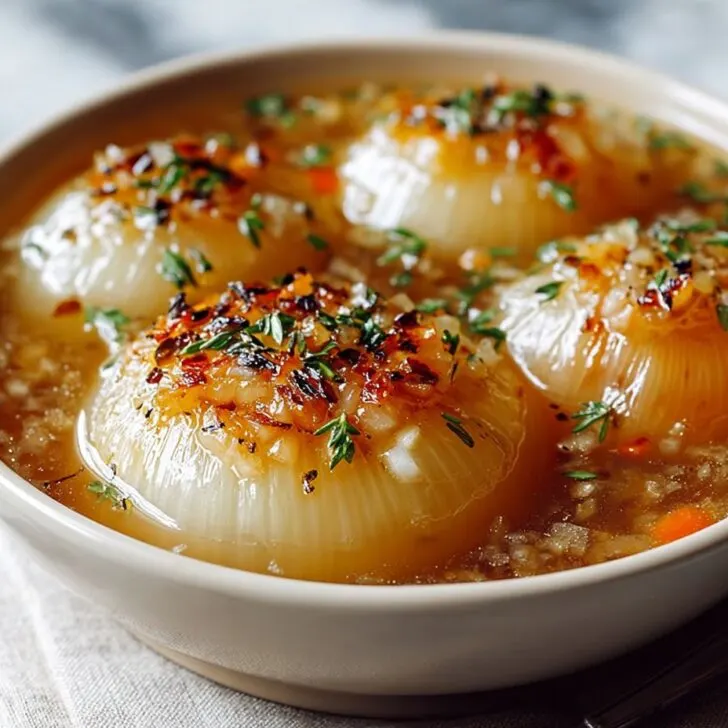
So, Here's the Story Behind Grandma's Easy Onion Boil
Alright, so confession time—I didn’t actually appreciate this dish until I was a teenager, probably because onions never exactly screamed “fun” to my younger self. But, you know, I’d walk into my grandma’s kitchen, and just like clockwork, there’d be this savory, sweet smell floating in the air. She’d always wave me over with her wooden spoon and say, “It’s just onions and water, but don’t go telling anyone my secret tricks.” Spoiler alert: there are tricks. Also, let’s just admit, there was never just onions and water—she always had a little something extra up her sleeve (usually butter).

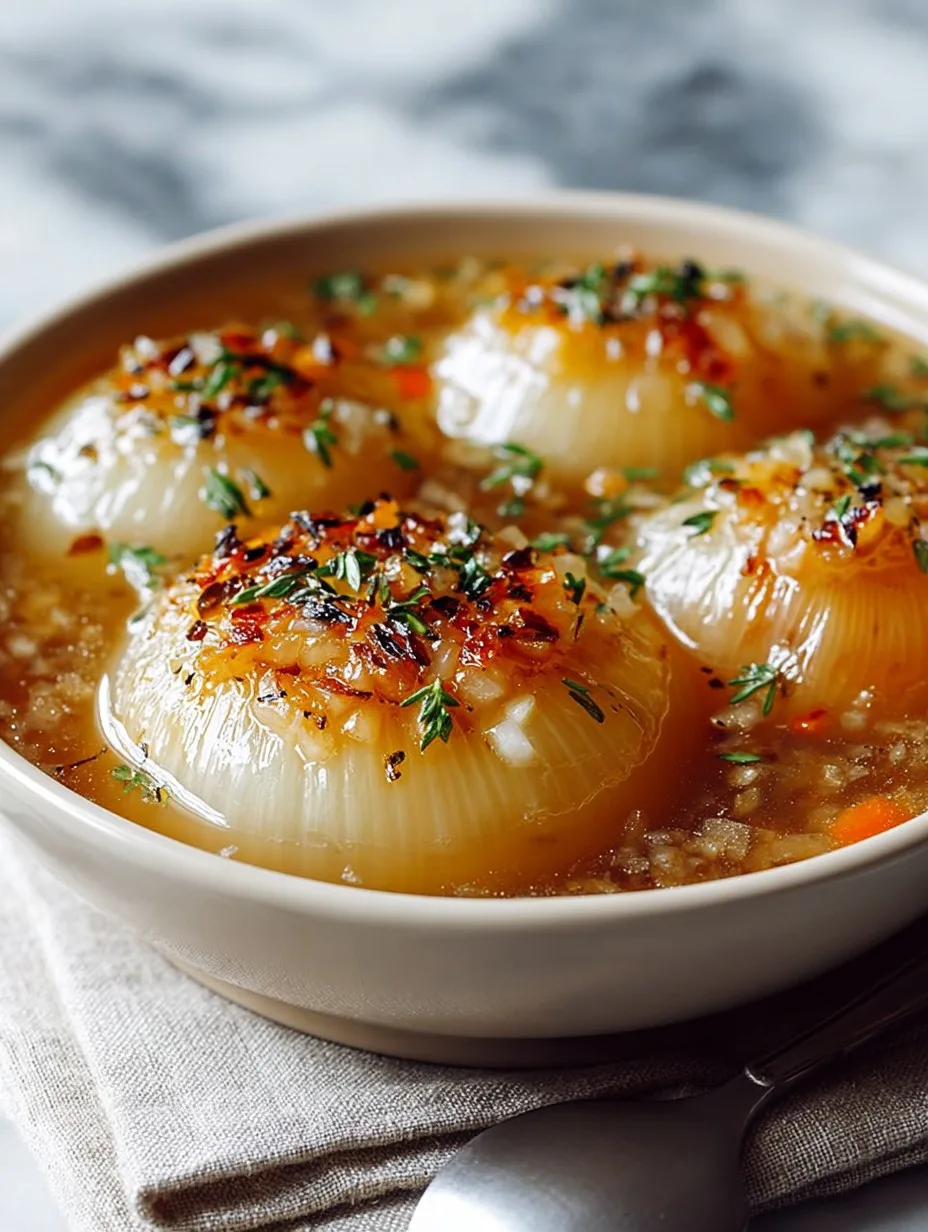
To this day, whenever I make this recipe, I can’t help but picture her humming that song from her youth and, weirdly, I always think of the one time she spilled the whole salt shaker in. (We ate it anyway! Bless her.)
Why You'll Love This (Even if You Hate Peeling Onions)
I make Grandma’s Easy Onion Boil whenever I need a comforting side but haven’t the energy for anything fussy. My family goes wild for it, honestly—they can’t even explain why, and they’re the fussy type! It’s one of those dishes that disappears faster than you can say, “let the flavors meld.” (There’s something so satisfying about how everything softens together.)
Sometimes I make it just for the smell, when the weather’s gloomy and I can’t be fussed to do anything fancy. Actually, I find it’s one of those perfect “oh no, the fridge is almost empty” fixes. The only real frustration is when you chop onions with your glasses on and still end up with tears—I swear, I have no solution for that!
What You’ll Need (And What I’ve Swapped In)
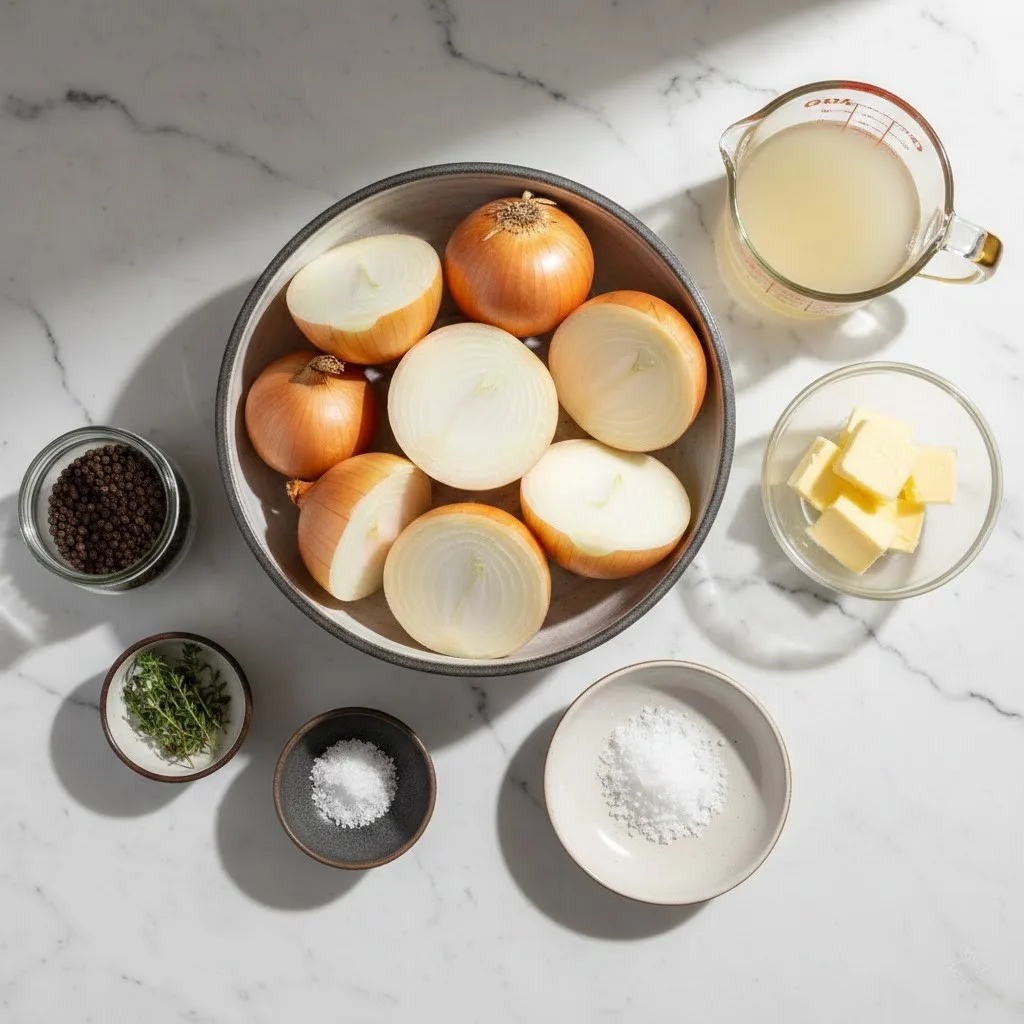
- 5 medium yellow onions, peeled and cut into quarters (or roughly so—my grandma never measured)
- 4 cups water (tap’s fine—sometimes I do half broth and half water if I have stock cubes lingering in the pantry)
- 2 tablespoons unsalted butter (Grandma always used salted, but honestly, both work beautifully)
- 1 teaspoon salt (or a generous pinch; I used sea salt once and, to be honest, didn’t notice a huge difference)
- Black pepper to taste (fresh cracked if you’re fancy—otherwise shaker pepper is totally fine)
- 1 bay leaf (I skip it if I don’t have any, but when I remember, it’s nice!)
- Optional: 2 garlic cloves, peeled and smashed (I sometimes toss them in for extra oomph)
- Optional: A handful of chopped fresh parsley (or, truthfully, dried works in a pinch)
Alright, Let's Get Cooking!
- First things first, peel your onions (I always end up with papery bits stuck to my fingers, but it’s part of the job), then chop them into quarters. Or eighths if you’re feeling energetic. Don’t stress too much on uniformity.
- Drop those onion chunks into your favorite big-ish pot. I use the old enamel one with the wonky handle—but literally, any saucepan works.
- Pour in the water. Or do a mix of water and broth if that’s your vibe today.
- Toss in the butter, salt, pepper, and bay leaf (if you remembered). Add garlic now if you’re using it. Give everything a quick stir.
- Crank the heat up to bring everything to a gentle boil. Once it bubbles, lower the temp to a good-for-you simmer. Cover and let it cook for about 25 minutes. (This is where I usually sneak in a quick taste and minorly burn my tongue. Every. Single. Time.)
- Stir every now and then so nothing sticks. Don’t worry if it looks a bit weird at first—onions always collapse more than you think.
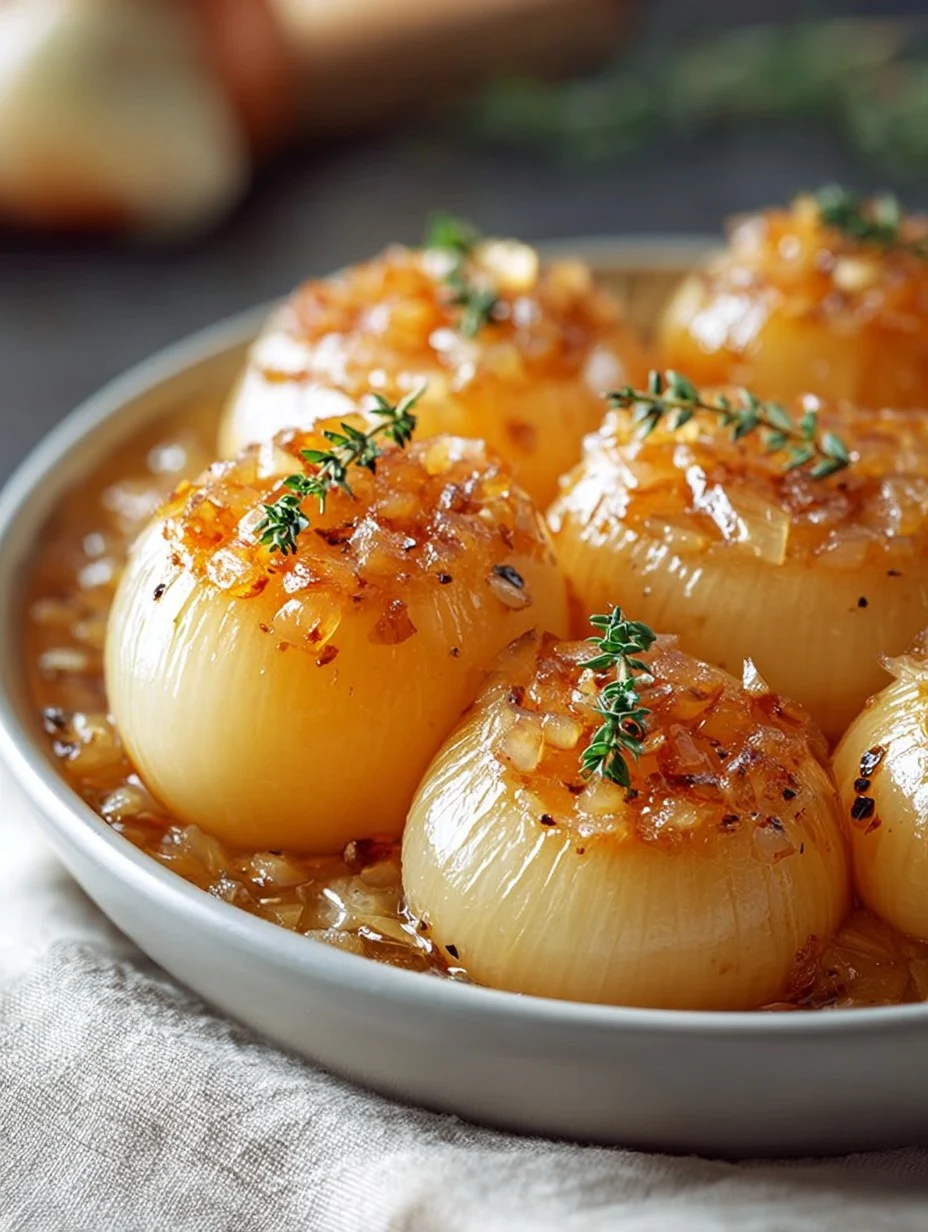
- After 25–30 minutes, the onions should be silky-soft and swimming in a golden broth. Remove the bay leaf (if you find it—sometimes I forget and someone gets a surprise in their bowl).
- Taste for salt, adjust if you’re feeling it needs a lift. Sprinkle parsley (or don’t—it’s casual). Serve straight up, or with crusty bread to soak up the broth.

Some Notes I Wish I’d Known Sooner
- If you boil the onions too hard, they can turn kinda stringy. Learned that one the hard way—gentle is better.
- Oh, and don’t leave your pot unattended, or everything starts smelling a tad too much like, well, overcooked onions (ask me how I know...)
- This tastes even better the second day. No idea why. Magic, probably.
Variations I've Messed Around With
- Once tried red onions instead of yellow—honestly, they go a bit too sweet and the color’s a bit odd, but if that’s all you’ve got, go wild.
- Added a splash of white wine once. Was fancy, tasted nice, but not “Grandma classic.”
- I tried tossing in a carrot for color. It kinda just disintegrated. Wish it worked better!

What to Use If You Don't Have the Right Pot
A heavy-bottomed pot works great (if you’ve got one), but honestly, any saucepan will do. Heck, I’ve even used an Instant Pot on the sauté mode (don’t pressure cook, though—it goes to mush, trust me). Ladle recommendations? Anything that will scoop up those lovely oniony strands.
How to Store (But It Doesn’t Last, Let’s Be Honest)
Pop leftovers into a container with a tight lid and stash in the fridge; it’ll keep good for, I’d say, 2 or 3 days. But honestly, in my house it never lasts more than a day!
Serving—I Do It This Way, But You Can Do You!
My favorite is to ladle it into big mugs and eat with a spoon, usually while standing at the counter (don’t judge). My cousin insists it needs thick slices of bread, lightly toasted and dunked in. Once, at Christmas, we poured it over mashed potatoes—nobody complained.
Lessons Learned (Usually the Hard Way)
- I once tried rushing the simmer step and regretted it because the onions just tasted raw. Let ‘em get soft. Trust me.
- If you add too much salt at the start, there’s no going back. Start light, you can always toss in more.
- Use the biggest spoon you have—it’s not fancy, but it’s more fun, and who needs another dainty soup spoon to wash?
FAQ: Folks Actually Ask Me These!
- Can I use sweet onions instead?
Course! It’ll just be a bit sweeter. Actually, I think I like it better with the regular yellow ones, but hey, your call. - Is it okay to use margarine?
Sure, if that’s what you’ve got kicking around. I did once and you honestly couldn’t tell. Butter’s richer, but do what fits the shop budget. - How do I make it heartier?
I’ve thrown in leftover potatoes before, chopped small, and it bulked things up a treat. Or a handful of cooked rice, even! - Can I freeze this?
You can, but the onions tend to get a tad mushy. I usually don’t bother. It’s so quick to make fresh anyway. - Why does it taste even better the next day?
I’ve got no clue. Must be some kitchen witchery, or maybe just the flavors hanging out together overnight.
And, in case you were wondering—yes, you’ll probably still end up with onion breath, but in my opinion, that’s a small price for something that tastes like a hug form the past. Now if you'll excuse me, I'm gonna go make another pot (writing this stirred up all the cravings).
Ingredients
- 5 medium yellow onions, peeled and cut into quarters (or roughly so—my grandma never measured)
- 4 cups water (tap’s fine—sometimes I do half broth and half water if I have stock cubes lingering in the pantry)
- 2 tablespoons unsalted butter (Grandma always used salted, but honestly, both work beautifully)
- 1 teaspoon salt (or a generous pinch; I used sea salt once and, to be honest, didn’t notice a huge difference)
- Black pepper to taste (fresh cracked if you’re fancy—otherwise shaker pepper is totally fine)
- 1 bay leaf (I skip it if I don’t have any, but when I remember, it’s nice!)
- Optional: 2 garlic cloves, peeled and smashed (I sometimes toss them in for extra oomph)
- Optional: A handful of chopped fresh parsley (or, truthfully, dried works in a pinch)
Instructions
-
1First things first, peel your onions (I always end up with papery bits stuck to my fingers, but it’s part of the job), then chop them into quarters. Or eighths if you’re feeling energetic. Don’t stress too much on uniformity.
-
2Drop those onion chunks into your favorite big-ish pot. I use the old enamel one with the wonky handle—but literally, any saucepan works.
-
3Pour in the water. Or do a mix of water and broth if that’s your vibe today.
-
4Toss in the butter, salt, pepper, and bay leaf (if you remembered). Add garlic now if you’re using it. Give everything a quick stir.
-
5Crank the heat up to bring everything to a gentle boil. Once it bubbles, lower the temp to a good-for-you simmer. Cover and let it cook for about 25 minutes. (This is where I usually sneak in a quick taste and minorly burn my tongue. Every. Single. Time.)
-
6Stir every now and then so nothing sticks. Don’t worry if it looks a bit weird at first—onions always collapse more than you think.
-
7After 25–30 minutes, the onions should be silky-soft and swimming in a golden broth. Remove the bay leaf (if you find it—sometimes I forget and someone gets a surprise in their bowl).
-
8Taste for salt, adjust if you’re feeling it needs a lift. Sprinkle parsley (or don’t—it’s casual). Serve straight up, or with crusty bread to soak up the broth.
Approximate Information for One Serving
Nutrition Disclaimers
Number of total servings shown is approximate. Actual number of servings will depend on your preferred portion sizes.
Nutritional values shown are general guidelines and reflect information for 1 serving using the ingredients listed, not including any optional ingredients. Actual macros may vary slightly depending on specific brands and types of ingredients used.
To determine the weight of one serving, prepare the recipe as instructed. Weigh the finished recipe, then divide the weight of the finished recipe (not including the weight of the container the food is in) by the desired number of servings. Result will be the weight of one serving.
Did you make this recipe?
Please consider Pinning it!