
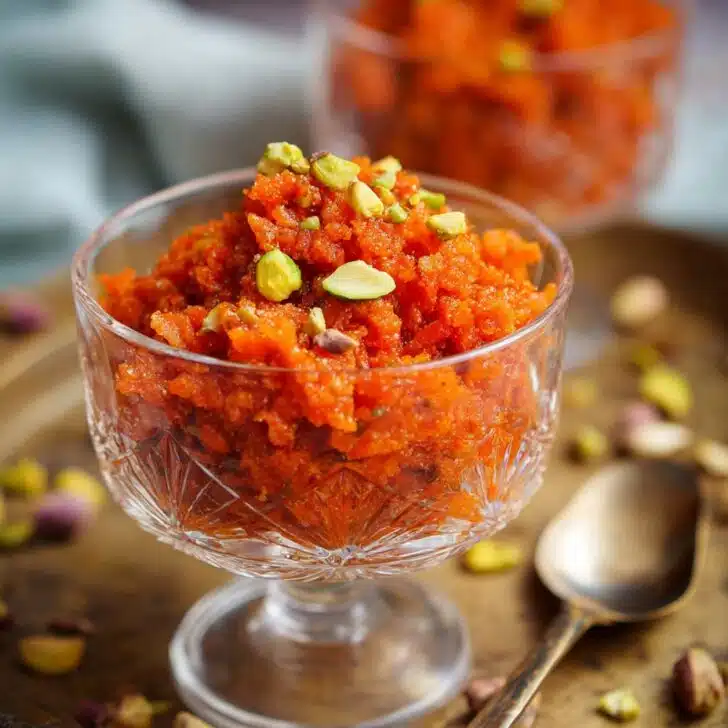
Let me set the mood: it's a cold winter evening (which, okay, is rare around here but let's pretend), I walk into the kitchen rubbing my hands together like some plotting villain, and I know what comes next—carrots. Loads of them. Whenever I make Gajar Ka Halwa—Carrot Halwa if you wanna sound fancy—I think of my grandmother patiently grating carrots while the rest of us sneak in, making off with stray bits, acting like starving rabbits. I used to hate grating carrots (still not my favorite sport), but I love the way the kitchen smells as everything starts bubbling away. There’s something about the sight of that rich orange halwa that stops everyone in their tracks, even my always-rushing sister. Anyway, enough about my quirky family and their halwa raids...

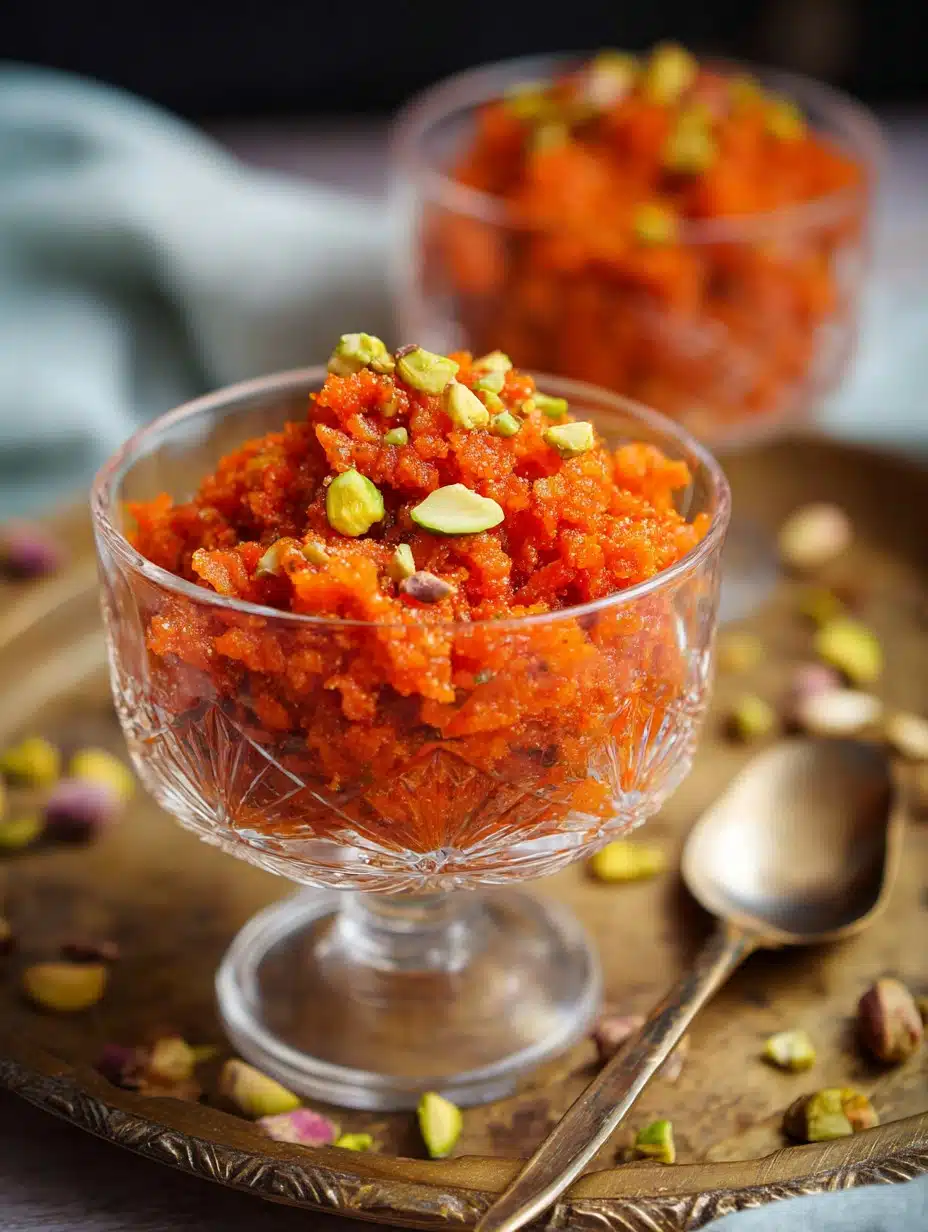
Why You’ll Actually Want to Make This
I make this halwa when I want everyone quiet for once; nothing gets my noisy cousins to hush faster than the smell wafting from the kitchen. Honestly, my folks go a bit bonkers over this dessert, especially when it’s still warm (or sometimes they demand it cold straight from the fridge, which just feels wrong to me, but to each their own). It’s the kind of thing I whip up when we have leftover carrots that look like they've seen better days. Also—confession—sometimes I double the amount of ghee because I like living dangerously, cholesterol be damned. If you’ve ever wondered if making halwa is a faff: yes, but less so than you'd think. Plus, scrubbing carrot stains out of the counter is a small price for family peace.
What You’ll Need (and What I Sometimes Sub In)
- 1 kg carrots (the red Indian ones are classic, but honestly, normal orange ones from Tesco work fine)
- 1 liter full-fat milk (if I’m feeling cheeky, I just use condensed milk and skip some sugar—my aunt does it every time)
- 200 g sugar (sometimes a bit more if the carrots taste like cardboard, occasionally jaggery for a deeper flavor… but then it gets a bit fudgy)
- 80–100 g ghee (let's be real: I eyeball this. Margarine in a pinch, though purists will shake their heads)
- 6-7 green cardamoms, crushed (sometimes I’ve skipped this and no one noticed)
- Cashews, almonds, and raisins (totally up to you; my brother hates raisins, so I always sneak extras just to annoy him)
- Pinch of saffron (fancy, not vital—half the time I forget)
Here’s How I Bungle My Way Through Making It
- Start by peeling and grating the carrots. Yes, your arm will hate you. Or just use a food processor if you value sanity. Don’t be alarmed if the grated pile looks like Mount Everest. It all melts down, promise.
- In a large heavy-bottomed pan (a kadhai works best, though I’ve used my ancient nonstick), chuck in the carrots and milk. Bring to the gentlest simmer you can manage, then cook for, oh, 40-50 minutes? Stir now and then—don’t wander off or you’ll get a smelly burnt mess (I learned that the hard way).
- Once most of the milk’s vanished (this is where I usually sneak a taste, scalding tongue and all), toss in the ghee. Now it’s time to really stir—think of it as an arm workout.
- Add the sugar, cardamom, and saffron (if using). Keep stirring (and honestly, the color at this point is odd, but trust the process). Add your nuts and raisins.
- Keep cooking till it thickens and starts looking like, you know, actual halwa, and the ghee oozes around the edge. Some folks like it slightly runny; others want it nearly solid. I fall somewhere in the middle.
Honestly Useful Notes (Learned the Hard Way)
- If you use pre-grated carrots, it’ll be a little mushy, but who’s judging?
- The halwa thickens a lot as it cools, so don’t panic if it looks loose off the stove.
- Turns out, using skimmed milk makes it taste, well, sad. Just saying.
The Times I’ve Gone Rogue (Variations That Kind of Work)
- Once I tossed chocolate chips in at the end. My little cousin loved it, but the elders looked scandalized.
- I tried making it vegan with coconut milk and coconut oil—tasted like a tropical carrot party, not bad but definitely not classic.
- Swapping jaggery in for sugar makes it browner, more molasses-y (I like, but it’s divisive).
- One absolute fail: microwaving everything together out of laziness. Do not recommend—it just turned into carrot soup.

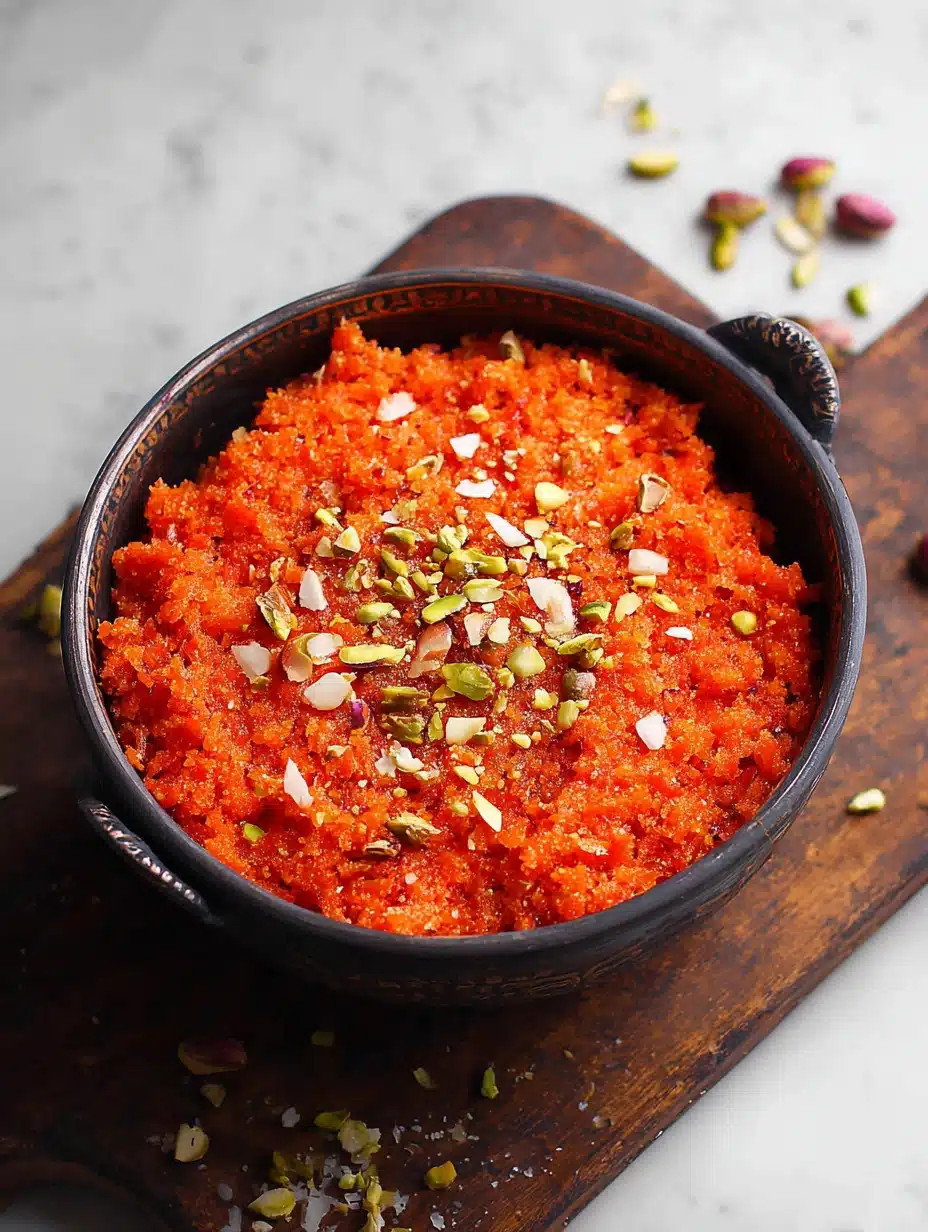
My Baking Arsenal (and Hacks When You Lack)
You want a heavy-bottomed pan for sure, but if you’re stuck with a thin pan, put a flat tawa underneath to save the bottom from scorching. Food processor grater saves your wrists—otherwise, grab a friend. I once mashed carrots with a fork for half a batch (wouldn’t suggest unless you’re desperate; it’s a right palaver).
How To Store It (Assuming It Lasts That Long)
Should you, by some miracle, end up with leftovers: just pop it in an airtight container in the fridge. Lasts about a week but—honestly?—someone always finds it at midnight and it’s gone by morning. Reheat gently in a pan or even the microwave (just cover it or it’ll sputter everywhere—ask me how I know).
Serving Like a Local (Or Like Me)
We serve it warm at family gatherings, and there’s this unspoken rule that you take seconds, or you get looked at funny. Some folks dollop on ice cream, which is...unexpected, but lovely. Personally, I like mine with a splash of cold cream (posh, right?).
Lessons Learned (So You Don’t Have To Repeat My Mistakes)
- I tried to rush the boiling-milk stage; ended up with all the milk stuck to the bottom and a kitchen that smelled like burnt dreams. Don’t be me.
- Skimp on ghee, and you end up with sad, dry halwa. Don’t, just don’t.
- Grating too coarsely leaves you chewing for ages—it’s not supposed to feel like salad.
Questions I Keep Getting (And, Look, Sometimes I Have to Guess!)
- Can I use pre-boiled or frozen carrots? I mean, technically, yes. It’ll be softer, but on a busy weeknight, who’s complaining?
- Is it okay to use only condensed milk? Totally, but cut down the sugar or you’ll be climbing walls. Actually, I find it works better if you use half condensed, half regular.
- Why is my halwa not bright orange? Sometimes it just...isn’t? Different carrots, different moods. I wouldn’t worry unless it’s green (then you should maybe start again).
- Do I have to add cardamom? Nah. I love it, but my uncle says it tastes like medicine—so yes, skip it if you must.
- Can I freeze this stuff? Yep. But honestly, I prefer it fresh. Once thawed, it can get a bit grainy.
Okay, random side story: I once left halwa simmering while I got sucked into a K-drama, and came back to a pan full of caramelized carrots (we ate it anyway; it was weirdly nice?). So, keep an eye on it but don’t stress too much. It’s just carrots, milk, and love—that’s the magic you really need.
Ingredients
- 1 kg fresh carrots, peeled and grated
- 1 liter full-fat milk
- 200 g sugar
- 5 tablespoon ghee (clarified butter)
- 6 cardamom pods, powdered
- 60 g cashew nuts, chopped
- 60 g almonds, slivered
- 40 g raisins
Instructions
-
1Heat 2 tablespoons of ghee in a large heavy-bottom pan over medium heat. Add the grated carrots and sauté for 5-6 minutes until they start to soften.
-
2Pour in the milk and bring to a gentle boil. Lower the heat and cook, stirring occasionally, until the carrots are tender and most of the milk has evaporated, about 30 minutes.
-
3Add the sugar and continue to cook, stirring frequently. The mixture will become thinner, then thicken again as the sugar dissolves and cooks down.
-
4Stir in the remaining ghee, cardamom powder, cashew nuts, almonds, and raisins. Cook for another 7-8 minutes until the halwa leaves the sides of the pan and reaches a rich, thick consistency.
-
5Serve warm or chilled, garnished with extra nuts if desired.
Approximate Information for One Serving
Nutrition Disclaimers
Number of total servings shown is approximate. Actual number of servings will depend on your preferred portion sizes.
Nutritional values shown are general guidelines and reflect information for 1 serving using the ingredients listed, not including any optional ingredients. Actual macros may vary slightly depending on specific brands and types of ingredients used.
To determine the weight of one serving, prepare the recipe as instructed. Weigh the finished recipe, then divide the weight of the finished recipe (not including the weight of the container the food is in) by the desired number of servings. Result will be the weight of one serving.
Did you make this recipe?
Please consider Pinning it!!