
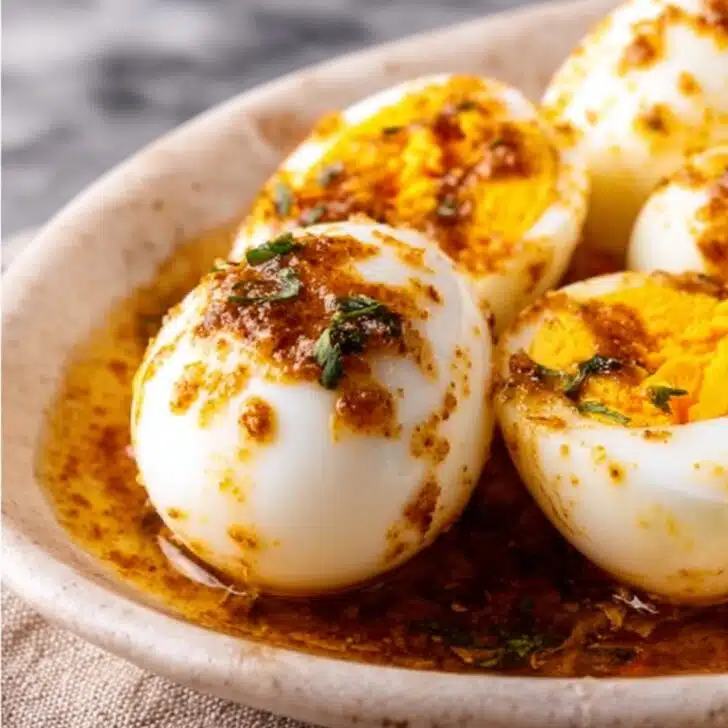
Hey there — Let’s Boil Some Eggs (Again!)
Alright, so here's the thing. I know boiling eggs seems like, well, the simplest kitchen task ever; but somehow, it can go sideways when you least expect it. The first time I tried, I ended up with eggshells welded to the whites (pretty sure I invented a new building material), and a kitchen timer that lied. These days, though? I could probably do it with my eyes half-closed, mug of tea in one hand... which, honestly, is sometimes exactly the way it happens around here. If you’ve ever wondered how to nail that Easy Egg Boil, the way you like it—not what some fancy chef says—pour yourself a cuppa and read on.

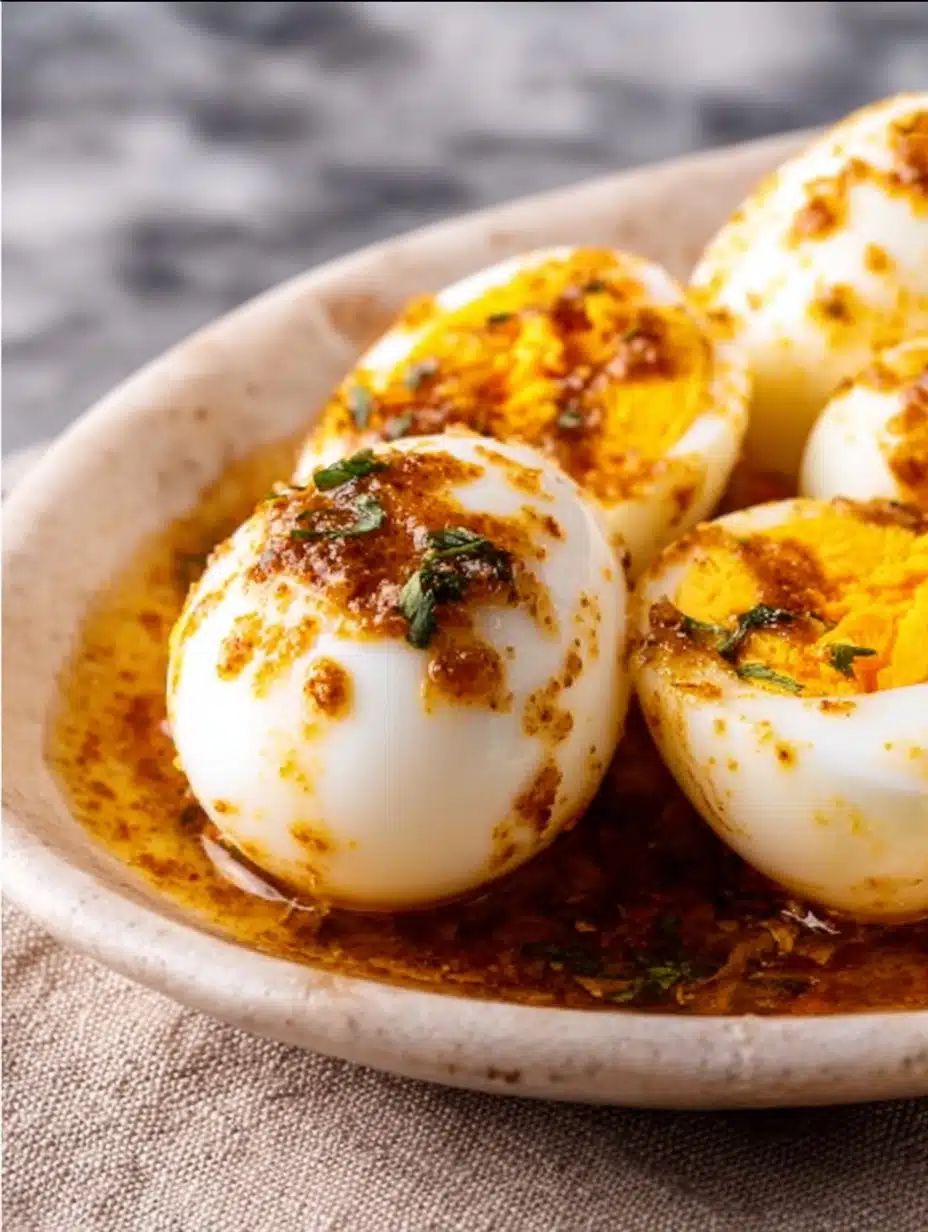
Why You'll Love This Egg Boil (Or at Least, Not Hate It)
I make these when I realise—oh wait, we’re out of snacks again, or when my sister drops in unannounced with her two constantly-hungry kids. My family goes absolutely crackers for these with a pinch of flaky salt (and sometimes, oddly, ketchup—don’t ask). It’s also my go-to for prepping a quick breakfast or a last-minute potato salad, and if anyone complains about overcooked yolks, I just eat their share. Plus, after years of fishing bits of shell out of my breakfast, I finally figured out how to make peeling less of a nightmare. You're welcome, future me.
What You'll Need (and What I Sometimes Swap In)
- 4 large eggs (or whatever size you’ve got—medium works fine, just don’t ask me about quail eggs)
- Enough water to cover eggs by an inch or so (the science of "about a finger high"...)
- 1 teaspoon salt (Grandma always insisted, but honestly, I sometimes skip this if I’m rushing)
- Ice cubes and cold water for an ice bath (in a real pinch, just run ‘em under the cold tap)
How to Do It (Beware Overthinking!)
- Grab a saucepan—preferably one with a lid, but I’ve definitely done this with a frying pan and a plate wrestled on top.
- Gently add the eggs in a single layer. Don’t throw ‘em in, unless you enjoy the drama of cracked eggs (and maybe a weird omelette).
- Pour in enough water to cover them by about an inch. Sometimes, I use the handle of a wooden spoon as my measuring stick. It’s not science, but it works.
- Sprinkle in the salt. Or not. Actually, I find it helps when the eggs are a bit stubborn to peel, but that's about it.
- Stick it on the stove and turn the heat up to medium-high. Don’t wander off—this is when I usually get distracted and end up sprinting back when the water starts boiling.
- Once the water comes to a solid boil (big bubbles, looks very energetic), slap the lid on and turn off the heat. Set a timer: 9 minutes for firm/yet-not-chalky yolks, or 6-7 if you like ‘em jammy.
- Here’s where I panic (slightly) and check if I forgot to start the timer. If you go over a minute, don’t sweat it—the eggs will probably survive.
- When the timer dings, quickly move the saucepan to the sink and pour off the hot water. Immediately dump in cold water and a handful of ice cubes. Or just keep cold water running—I've done both, not a big deal.
- Let the eggs chill for at least 5 minutes. This makes peeling so much easier, though I get impatient and usually peel one too soon and pay the price.
- Gently tap each egg all over to crack the shell, then peel under a little stream of water. Don’t worry if you mangle the first one a bit—it happens to the best of us.

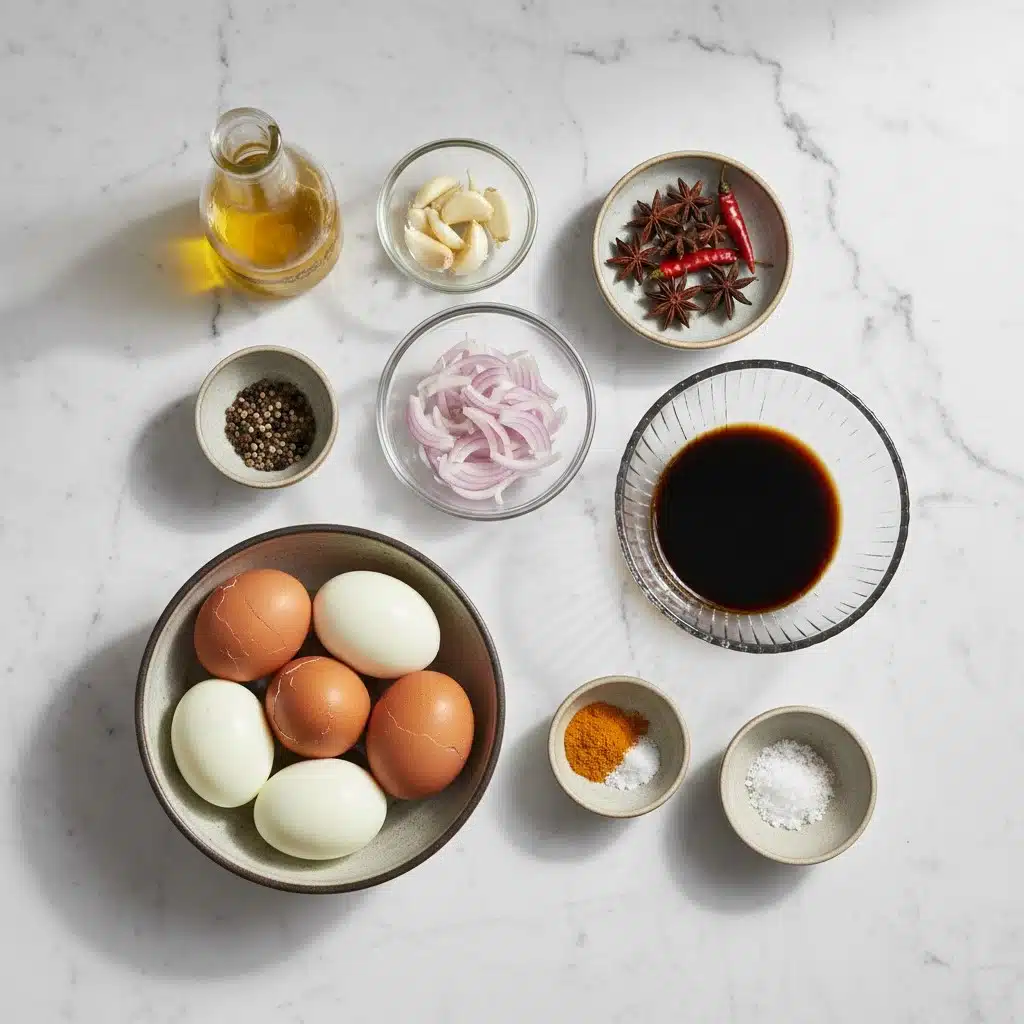
Notes from My Sometimes Messy Experience
- Fresh eggs are actually harder to peel. I didn’t believe this for ages, but it’s true. So if they're a couple weeks old, even better.
- If you forget the salt, meh—it’s not the end of the world. But some say it helps if an egg cracks in the water, so there you go.
- Don’t stress too much about the ice bath. Cold tap water honestly does the trick in my book.
Variations I’ve Tried (Not All Are Genius, Trust Me)
- A splash of vinegar in the water, which supposedly prevents cracking. Seemed to work? Or maybe it was just luck that day.
- Letting the eggs cool for 15+ minutes: makes for super-easy peeling (if you have the patience—sometimes I just don’t).
- Did a batch in the Instant Pot once. Eh, the texture was fine but honestly I like the stovetop method better. Something about the ritual, maybe?
- One time I tried "boiling" eggs in a kettle at a hostel. Let’s just say... don’t do that unless you want weirdly spotty eggs and a confused roommate.

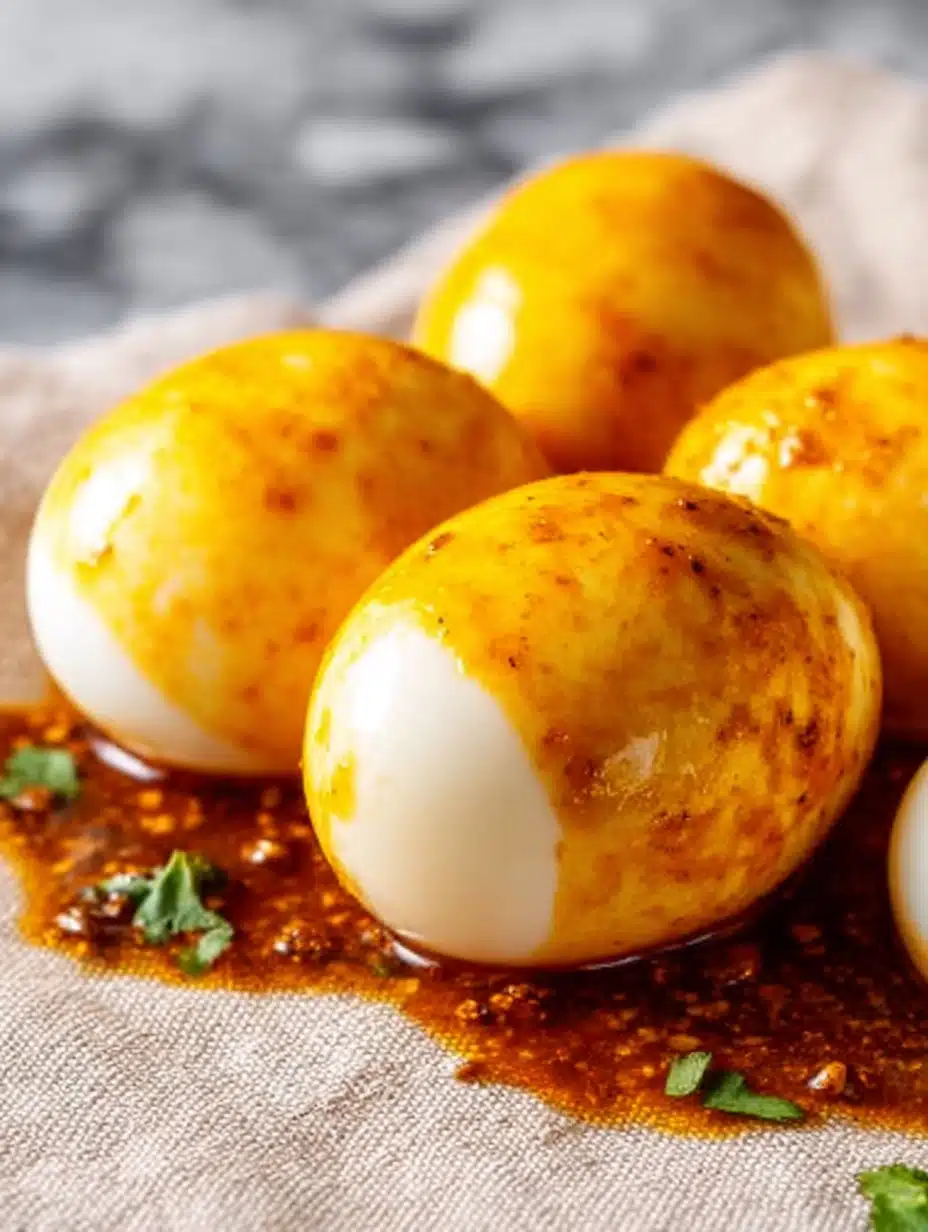
Equipment (But You Can Make Do)
- Saucepan or pot (the eggs don’t care how fancy it is)
- Lid or, y’know, a plate that doesn’t wobble too much
- Slotted spoon, if you’re feeling fancy—but a fork or your fingers will work just fine
How to Store the Eggs (If You Have Any Left!)
Peel ‘em and keep in a sealed container in the fridge for—officially—up to 5 days. (But honestly, in my house they rarely make it past tomorrow; people just wander through and nick one every time they open the fridge!) If you leave the shell on, they’ll last a smidge longer. Oh, once I found one that’d rolled to the back... and yeah, don’t recommend that. Just eat them.
My Favorite Ways to Serve ‘Em (Not That You Asked, But...)
- Sliced with a sprinkle of smoked paprika and salt (that’s my little trademark—nicked from a café in Leeds, actually)
- Chopped on buttery toast—bonus if you smear a bit of mayo underneath
- Quartered on top of a green salad, or with curry powder stirred in, 1970s British style
- Or straight out of the fridge with a little side of hot sauce. No judgement
Lessons from My Eggy Mistakes (Pro Tips, So Maybe You Won’t)
- If you rush the cooling part, the shells will stick and you’ll end up cursing at breakfast. Trust me, not worth it.
- I once forgot the eggs on the heat for 20 minutes. The green ring of doom? Yeah, it’s not dangerous, just... sad. But edible.
- Peeling under running cold water is messy but works like a charm MOST of the time. But if not, hey—egg salad exists for a reason.
Egg Boil FAQ (Actual Questions, No Joke!)
- Can I boil eggs straight from the fridge? Oh sure, I do this all the time! Maybe add a minute if they’re fridge-cold, just so the yolks set how you want them.
- Why do my eggs crack when I boil them? Sometimes it's just fate. I mean, could be you put them in too suddenly, or the heat’s too high. I crack one almost every time—no harm, still tasty.
- What about older eggs—can I still use them? As long as they don’t smell like something from the deep, you’re golden. Actually, older eggs peel better, so... silver lining?
- Can I do a big batch for meal prep? Sure thing. Just use a larger pot so they’re not all piled on top of each other, or the cooking can get a bit weird. Done that, still ate ‘em.
- Soft, jammy, or hard yolks—which is best? Totally up to you! I oscillate; lately I'm really into that jammy centre. Tomorrow? Who knows.
You’ve made it this far. Next time someone says boiled eggs are ‘too easy’ to mess up, you can just give ‘em a sly smile. Or invite them to peel one. Their move!
Ingredients
- 4 large eggs (or whatever size you’ve got—medium works fine, just don’t ask me about quail eggs)
- Enough water to cover eggs by an inch or so (the science of "about a finger high"...)
- 1 teaspoon salt (Grandma always insisted, but honestly, I sometimes skip this if I’m rushing)
- Ice cubes and cold water for an ice bath (in a real pinch, just run ‘em under the cold tap)
Instructions
-
1Grab a saucepan—preferably one with a lid, but I’ve definitely done this with a frying pan and a plate wrestled on top.
-
2Gently add the eggs in a single layer. Don’t throw ‘em in, unless you enjoy the drama of cracked eggs (and maybe a weird omelette).
-
3Pour in enough water to cover them by about an inch. Sometimes, I use the handle of a wooden spoon as my measuring stick. It’s not science, but it works.
-
4Sprinkle in the salt. Or not. Actually, I find it helps when the eggs are a bit stubborn to peel, but that's about it.
-
5Stick it on the stove and turn the heat up to medium-high. Don’t wander off—this is when I usually get distracted and end up sprinting back when the water starts boiling.
-
6Once the water comes to a solid boil (big bubbles, looks very energetic), slap the lid on and turn off the heat. Set a timer: 9 minutes for firm/yet-not-chalky yolks, or 6-7 if you like ‘em jammy.
-
7Here’s where I panic (slightly) and check if I forgot to start the timer. If you go over a minute, don’t sweat it—the eggs will probably survive.
-
8When the timer dings, quickly move the saucepan to the sink and pour off the hot water. Immediately dump in cold water and a handful of ice cubes. Or just keep cold water running—I've done both, not a big deal.
-
9Let the eggs chill for at least 5 minutes. This makes peeling so much easier, though I get impatient and usually peel one too soon and pay the price.
-
10Gently tap each egg all over to crack the shell, then peel under a little stream of water. Don’t worry if you mangle the first one a bit—it happens to the best of us.
Approximate Information for One Serving
Nutrition Disclaimers
Number of total servings shown is approximate. Actual number of servings will depend on your preferred portion sizes.
Nutritional values shown are general guidelines and reflect information for 1 serving using the ingredients listed, not including any optional ingredients. Actual macros may vary slightly depending on specific brands and types of ingredients used.
To determine the weight of one serving, prepare the recipe as instructed. Weigh the finished recipe, then divide the weight of the finished recipe (not including the weight of the container the food is in) by the desired number of servings. Result will be the weight of one serving.
Did you make this recipe?
Please consider Pinning it!