
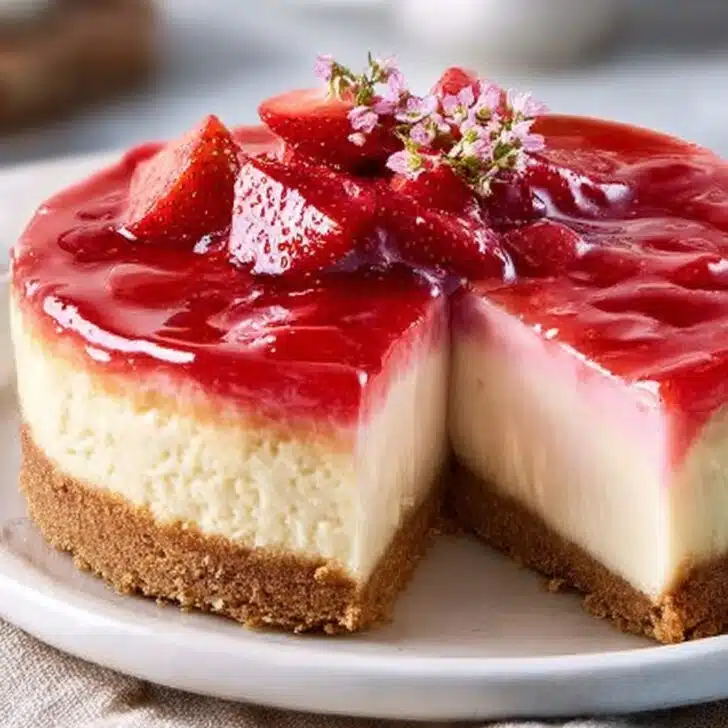
The Story Behind This Guava Cheesecake (and My Meddling Aunt's Advice)
Alright, so here's the deal: the first time I tried making guava cheesecake, I was honestly just trying to use up these stubborn, quietly judging guavas I'd left sitting on my kitchen counter for far too long. You know how it is. Then my aunt swung by 'just for tea' but managed to both help and—ehm—interfere with every step, as only she can. Turns out, some of her tweaks actually worked (still not admitting her crust “improvement” was better, but whatever). Anyway, this dessert has become my go-to showstopper for those "bring a dish" family things, partly for the drama, but mainly because it tastes, well, ridiculous. Rich, creamy, a bit tart, and that guava compote on top is pure bliss—if tropical desserts are your jam, you’re in for a treat. Okay, let’s dive in!

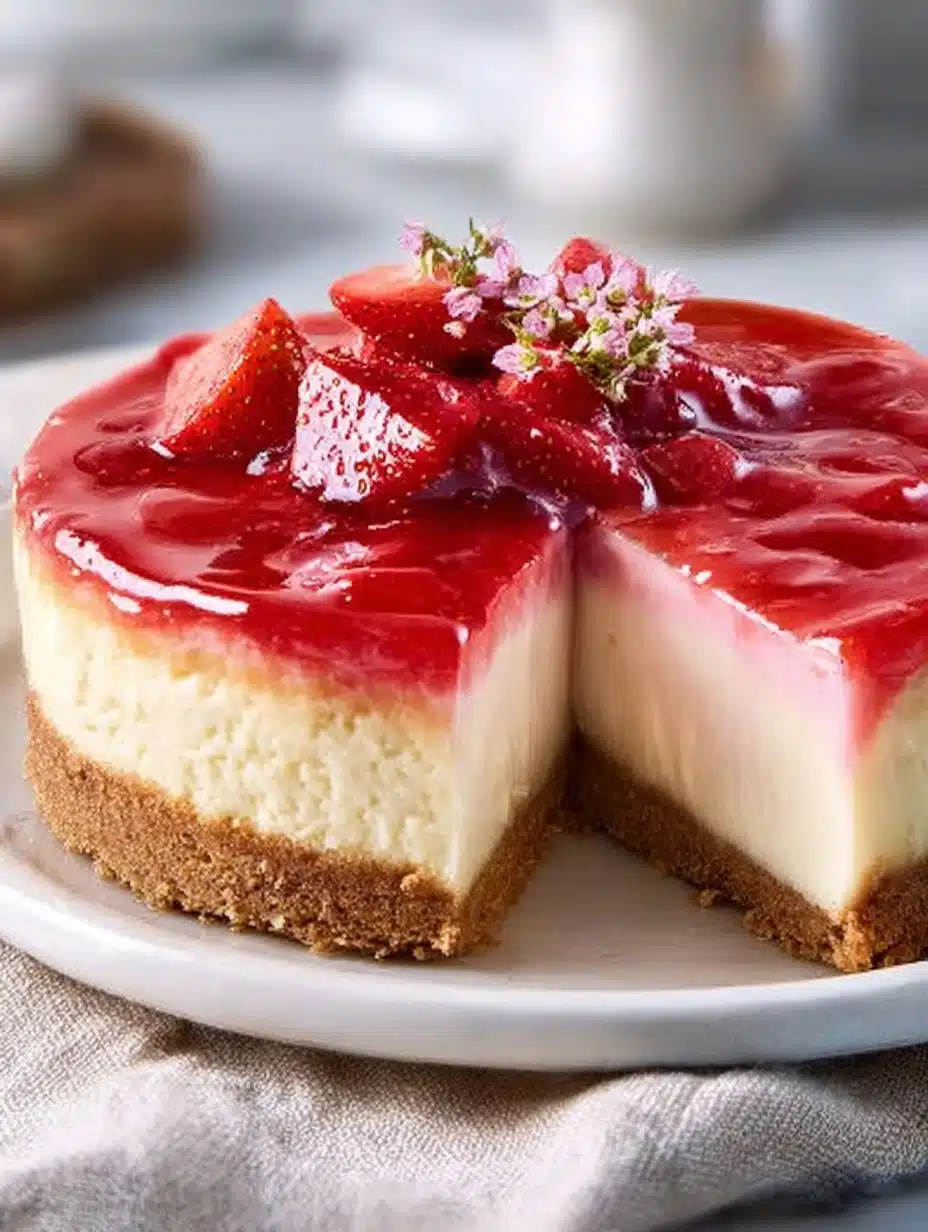
Why I Keep Making This (Guava) Cheesecake
- I make this when I want to seem fancier than I actually am. Seriously, people see "guava cheesecake" and think I’m some tropical dessert whisperer.
- My family goes bonkers for the fruity guava compote. My nephew once ate half the topping straight from the bowl—busted!
- Plus, it saves my butt when summer gives me more guavas than I'd ever asked for (or wanted?)
- Let’s be real, there was a period when every cheesecake for me would crack outrageously. Finally learned to chill (me and the cake). Even if it splits, just cover it with extra compote. Boom, magic.
What You'll Need (with Some Optional Swaps)
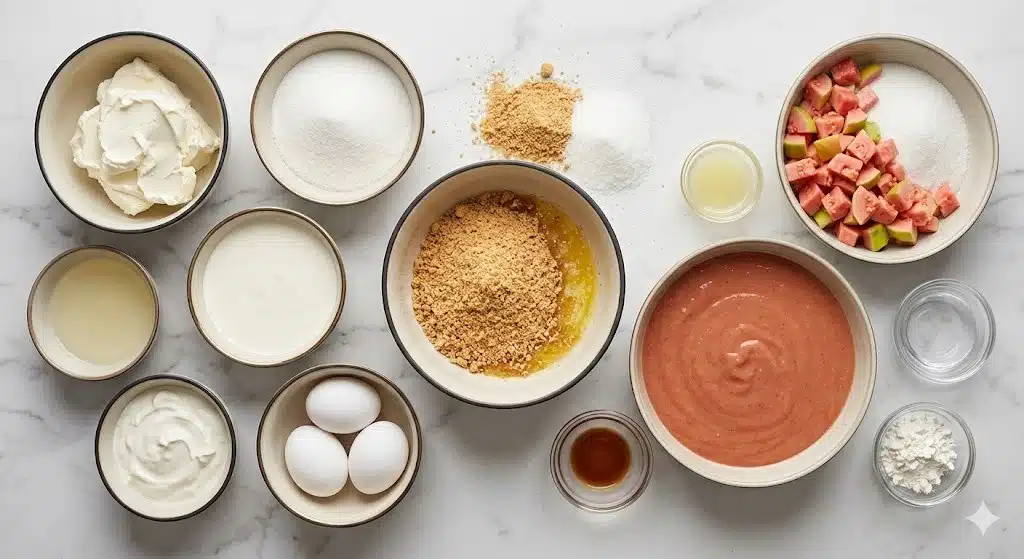
- 1 ½ cups graham cracker crumbs (I sometimes use ginger snaps or Digestive biscuits—no one noticed!)
- ¼ cup granulated sugar (brown sugar works in a pinch for a nudge of caramel flavor)
- ½ cup melted unsalted butter (honestly, margarine works fine, don’t tell my aunt)
- 3 (8 oz) blocks cream cheese, room temperature – full-fat is best, but I’ve used light cream cheese when it’s all I had
- ¾ cup white sugar
- 2 teaspoons vanilla extract (vanilla bean paste if you want to feel fancy)
- 3 large eggs
- ¾ cup guava puree (fresh or frozen; if you’re desperate, guava jelly thinned with a bit of water)
- 1 tablespoon fresh lime juice (lemon works too, but lime is proper zing)
- ½ cup sour cream
- Pinch of salt
For the Guava Compote Topping:
- 1 cup guava, peeled and chopped (about 2–3 medium-sized ones—frozen is fine, swear!)
- ¼ cup sugar (I’ve gone as low as 2 tablespoons, depends how ripe your guavas are)
- 2 tablespoons water
- 1 teaspoon lime juice
How I Actually Make This Cheesecake (With Some Meandering)
- Preheat your oven to 325°F (or about 160°C). If you forget and remember halfway, it’s fine, you can just wait a bit. Grease a 9-inch springform pan. If you don’t have a springform, a pie dish works, but it’s trickier to serve (ask me how I know).
- Mix together the graham cracker (or biscuit) crumbs, granulated sugar, and melted butter in a bowl. Dump the buttery, sandy mix into your prepared pan and smush it down with the flat bottom of a glass, or your fingers if you like getting messy. I go up the sides a bit, but sometimes it just pools. Par for the course!
- Bake this base in the oven for about 12 minutes or until it just starts to turn a bit golden—it’ll smell kind of nutty. Set aside to cool. Or cheat and pop it in the freezer if you’re impatient.
- Meanwhile, make the cheesecake filling: whip your cream cheese (it’s easiest if it’s soft and at room temp!) in a big bowl until fluffy. Actually, I find it’s better if you use an electric mixer here, but serious arm power works in a pinch. Add in the sugar, vanilla, and a pinch of salt. Beat again. Then add eggs, one at a time; don’t rush this, or you’ll get a weird texture (I did this once—yikes). Scrape down the bowl between eggs—annoying, but worth it.
- Add the guava puree, lime juice, and sour cream. Beat on low until just combined. Don’t overdo it. If it looks a little lumpy, don’t panic! It usually sorts itself out.
- Pour the pinky-golden mixture onto your cooled crust, jiggle the pan so it settles evenly (I give it a little tap for luck or something like that).
- Bake for about 55–65 minutes. Now, listen—don’t freak if it still wobbles a bit in the center when you nudge it. That’s what you want! If you wait for it to look dry, you get cheesecake brick (which is exactly as appealing as it sounds).
- Let the cheesecake cool in the turned-off oven with the door propped open for 30 minutes. Helps prevent cracking—sometimes.
- Refrigerate for at least 4 hours, though overnight is seriously better (and I always think it tastes even more amazing the next day!).
- Now, for the compote: in a saucepan, toss your chopped guava, sugar, water, and lime juice. Simmer gently for 8–10 minutes. Stir it every now and then. You’re aiming for jammy—not soup, not candy. Take off the heat and let it cool. Sometimes, I mash a few guava chunks just to get extra gooeyness.
- Spoon the fruity compote all over your chilled cheesecake, pile it as high as you fancy, and let it drool down the sides. Glorious!
- Slice and serve. If you manage to get clean wedges, you’re better at this than me!
My Notes (AKA What I Learned the Odd Way)
- If the cheesecake cracks—which, between us, it does half the time—just pile on more compote. No one cares!
- Guava puree can be really runny or super thick, depends on your fruit. Aim for something like applesauce. If it’s super watery, cook it down a smidge.
- I tried skipping the lime juice once; don’t do it. The zing is what lifts the whole thing.

Wild Guava Cheesecake Experiments (Some Better Than Others)
- Used passion fruit pulp instead of guava—delicious, but wow, those seeds are a menace!
- Added a swirl of mango puree in the batter. Looked snazzy, tasted wild.
- Tried making the compote with strawberries; on second thought, too sweet, not enough zing.
- My neighbor adds coconut flakes to his crust. I tried it and—well, it's not for me, but maybe you’ll love it?
Equipment (But Don’t Panic If You’re Missing Stuff)
- 9-inch springform pan is easiest…but, like I said, a pie dish is fine if you don’t mind messy slices. I once used a square brownie tin—oddly retro.
- Electric mixer helps with the filling, but a tough wooden spoon and some spirit will get you through.
- Small saucepan for the compote. Or a frying pan if that’s all you’ve got.
Storing This Cheesecake (If It Survives That Long)
This cheesecake keeps nicely in the fridge, covered, for about 3 days. I put plastic wrap straight against the surface to stop the dreaded fridge dryness. But honestly, in my house it rarely lasts more than a day—people just keep hacking off slices when they think no one’s watching!
How I Serve It (Because Tradition, or Just Habit…)
I usually serve this straight out of the fridge, slices topped with extra compote and an extra sprinkle of lime zest for grown-up company. If it’s just family, we sometimes top with a scoop of vanilla ice cream. On holidays, mum insists on sticking a wildflower in the center. Not sure why, but it’s cute.
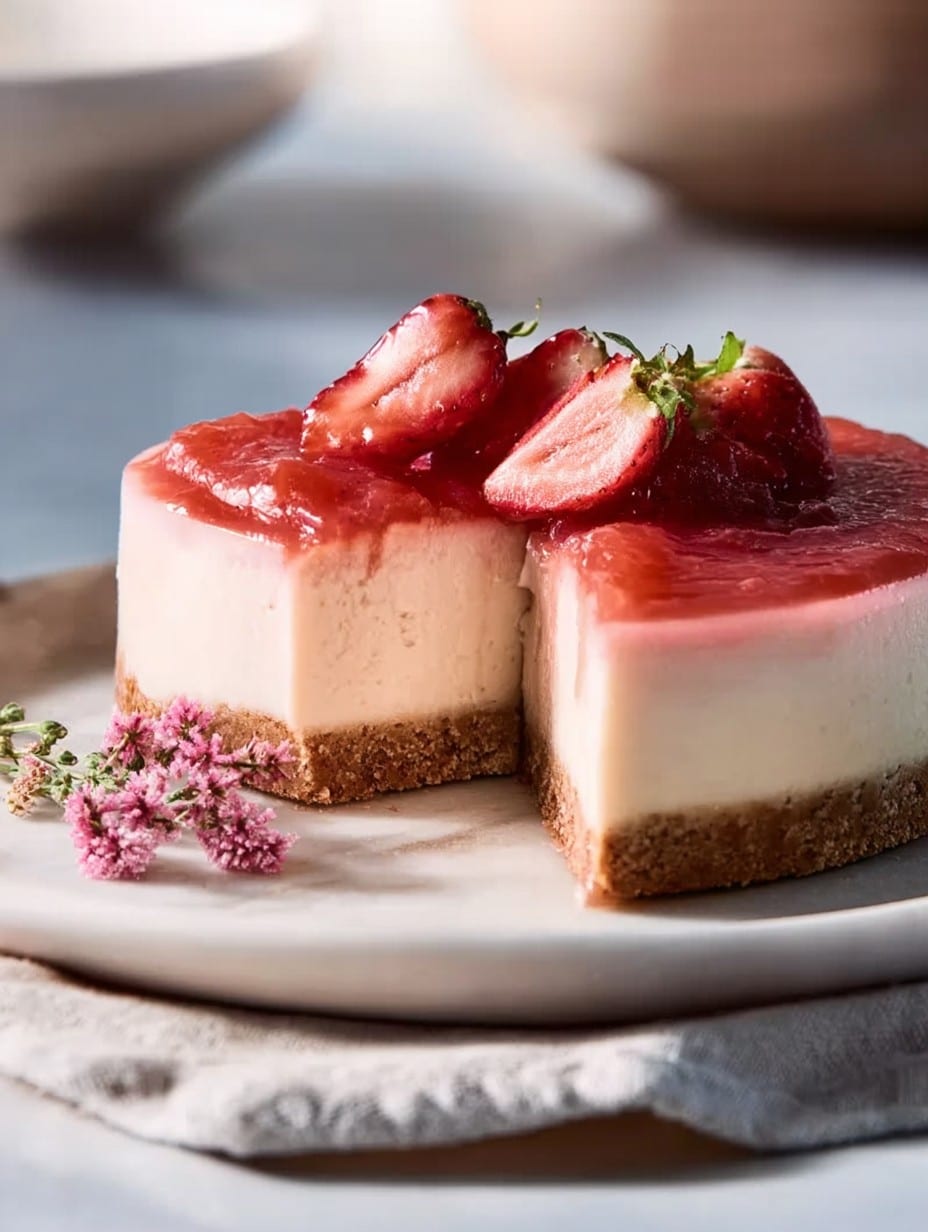
Pro Tips (From Mess-Ups Past and Present)
- I once tried rushing the cooling step—and trust me, cheesecake soup is not nearly as fun as it sounds. Just wait.
- If you forget to line your pan, the crust might stick. Hot water around the outside for a few seconds usually helps free things up.
- If you’re serving to picky eaters, strain the compote so it’s super smooth. Otherwise, rustic and chunky is tastier, in my opinion.
FAQ (Because People Always Ask)
- Can I use store-bought guava puree? Yeah, absolutely. Just check for added sugar—you might want to dial back the sugar in the compote a bit so it’s not a sugar bomb.
- Do I have to use a water bath? Honestly, I skip it most of the time. The door-ajar trick works well enough for me (besides, less faff).
- Can I freeze it? You totally can! Wrap slices well, stash in the freezer for up to a month. Thaw in the fridge overnight. The texture goes a bit softer, but taste is still ace.
- Why does my cheesecake sometimes sink in the middle? Happens to the best of us—often means a bit overmixed, but also, some days cheesecake just does what it wants. Compote will hide it, don't fret.
- Do I have to peel the guavas for the compote? Nope. If you like a little texture, keep the peels. If you want it smooth, peel or strain after cooking. I’m too lazy half the time to bother—and it’s fine!
Well, I hope you have fun making (and snacking on) this decadent guava cheesecake with that fruity guava compote bliss on top. Flick on some music, embrace a little messiness, and don’t stress—delicious is the goal, not perfection. Good luck!
Ingredients
- 1 ½ cups graham cracker crumbs (I sometimes use ginger snaps or Digestive biscuits—no one noticed!)
- ¼ cup granulated sugar (brown sugar works in a pinch for a nudge of caramel flavor)
- ½ cup melted unsalted butter (honestly, margarine works fine, don’t tell my aunt)
- 3 (8 oz) blocks cream cheese, room temperature – full-fat is best, but I’ve used light cream cheese when it’s all I had
- ¾ cup white sugar
- 2 teaspoons vanilla extract (vanilla bean paste if you want to feel fancy)
- 3 large eggs
- ¾ cup guava puree (fresh or frozen; if you’re desperate, guava jelly thinned with a bit of water)
- 1 tablespoon fresh lime juice (lemon works too, but lime is proper zing)
- ½ cup sour cream
- Pinch of salt
- 1 cup guava, peeled and chopped (about 2–3 medium-sized ones—frozen is fine, swear!)
- ¼ cup sugar (I’ve gone as low as 2 tablespoons, depends how ripe your guavas are)
- 2 tablespoons water
- 1 teaspoon lime juice
Instructions
-
1Preheat your oven to 325°F (or about 160°C). If you forget and remember halfway, it’s fine, you can just wait a bit. Grease a 9-inch springform pan. If you don’t have a springform, a pie dish works, but it’s trickier to serve (ask me how I know).
-
2Mix together the graham cracker (or biscuit) crumbs, granulated sugar, and melted butter in a bowl. Dump the buttery, sandy mix into your prepared pan and smush it down with the flat bottom of a glass, or your fingers if you like getting messy. I go up the sides a bit, but sometimes it just pools. Par for the course!
-
3Bake this base in the oven for about 12 minutes or until it just starts to turn a bit golden—it’ll smell kind of nutty. Set aside to cool. Or cheat and pop it in the freezer if you’re impatient.
-
4Meanwhile, make the cheesecake filling: whip your cream cheese (it’s easiest if it’s soft and at room temp!) in a big bowl until fluffy. Actually, I find it’s better if you use an electric mixer here, but serious arm power works in a pinch. Add in the sugar, vanilla, and a pinch of salt. Beat again. Then add eggs, one at a time; don’t rush this, or you’ll get a weird texture (I did this once—yikes). Scrape down the bowl between eggs—annoying, but worth it.
-
5Add the guava puree, lime juice, and sour cream. Beat on low until just combined. Don’t overdo it. If it looks a little lumpy, don’t panic! It usually sorts itself out.
-
6Pour the pinky-golden mixture onto your cooled crust, jiggle the pan so it settles evenly (I give it a little tap for luck or something like that).
-
7Bake for about 55–65 minutes. Now, listen—don’t freak if it still wobbles a bit in the center when you nudge it. That’s what you want! If you wait for it to look dry, you get cheesecake brick (which is exactly as appealing as it sounds).
-
8Let the cheesecake cool in the turned-off oven with the door propped open for 30 minutes. Helps prevent cracking—sometimes.
-
9Refrigerate for at least 4 hours, though overnight is seriously better (and I always think it tastes even more amazing the next day!).
-
10Now, for the compote: in a saucepan, toss your chopped guava, sugar, water, and lime juice. Simmer gently for 8–10 minutes. Stir it every now and then. You’re aiming for jammy—not soup, not candy. Take off the heat and let it cool. Sometimes, I mash a few guava chunks just to get extra gooeyness.
-
11Spoon the fruity compote all over your chilled cheesecake, pile it as high as you fancy, and let it drool down the sides. Glorious!
-
12Slice and serve. If you manage to get clean wedges, you’re better at this than me!
Approximate Information for One Serving
Nutrition Disclaimers
Number of total servings shown is approximate. Actual number of servings will depend on your preferred portion sizes.
Nutritional values shown are general guidelines and reflect information for 1 serving using the ingredients listed, not including any optional ingredients. Actual macros may vary slightly depending on specific brands and types of ingredients used.
To determine the weight of one serving, prepare the recipe as instructed. Weigh the finished recipe, then divide the weight of the finished recipe (not including the weight of the container the food is in) by the desired number of servings. Result will be the weight of one serving.
Did you make this recipe?
Please consider Pinning it!