
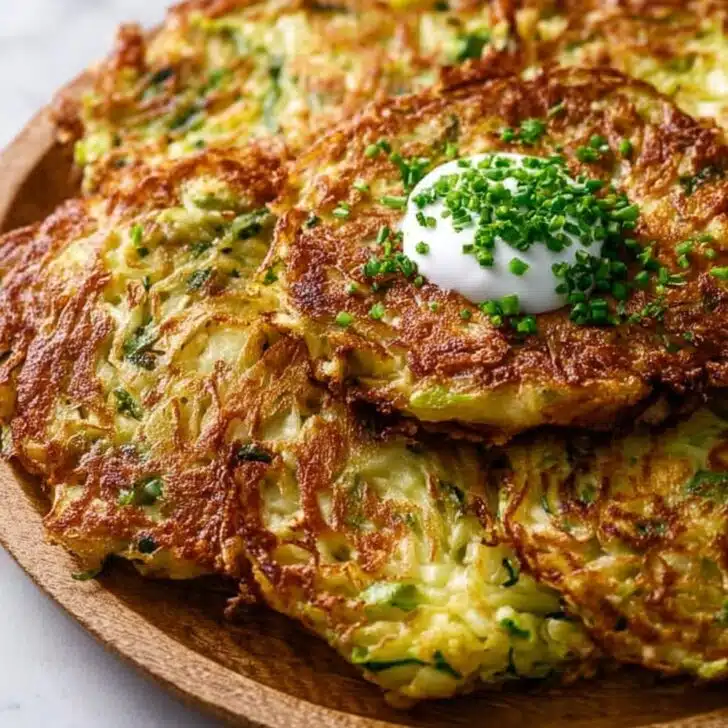
So, Here's Why I Keep Coming Back to These Pancakes
I remember the first time I tried to make crispy cabbage pancakes—I had too many cabbages rolling around in the fridge, a couple of kids whining about being hungry, and nowhere near enough time (or energy!) for anything fancy. That night, I just started shredding, tossing things into a bowl, and, well, the kitchen smelled so good my neighbor’s cat tried to sneak in. True story. Fast-forward a couple of years and these are basically my go-to for last-minute dinners or even the odd lazy Sunday lunch (especially if nobody feels like having cereal for the third day running).

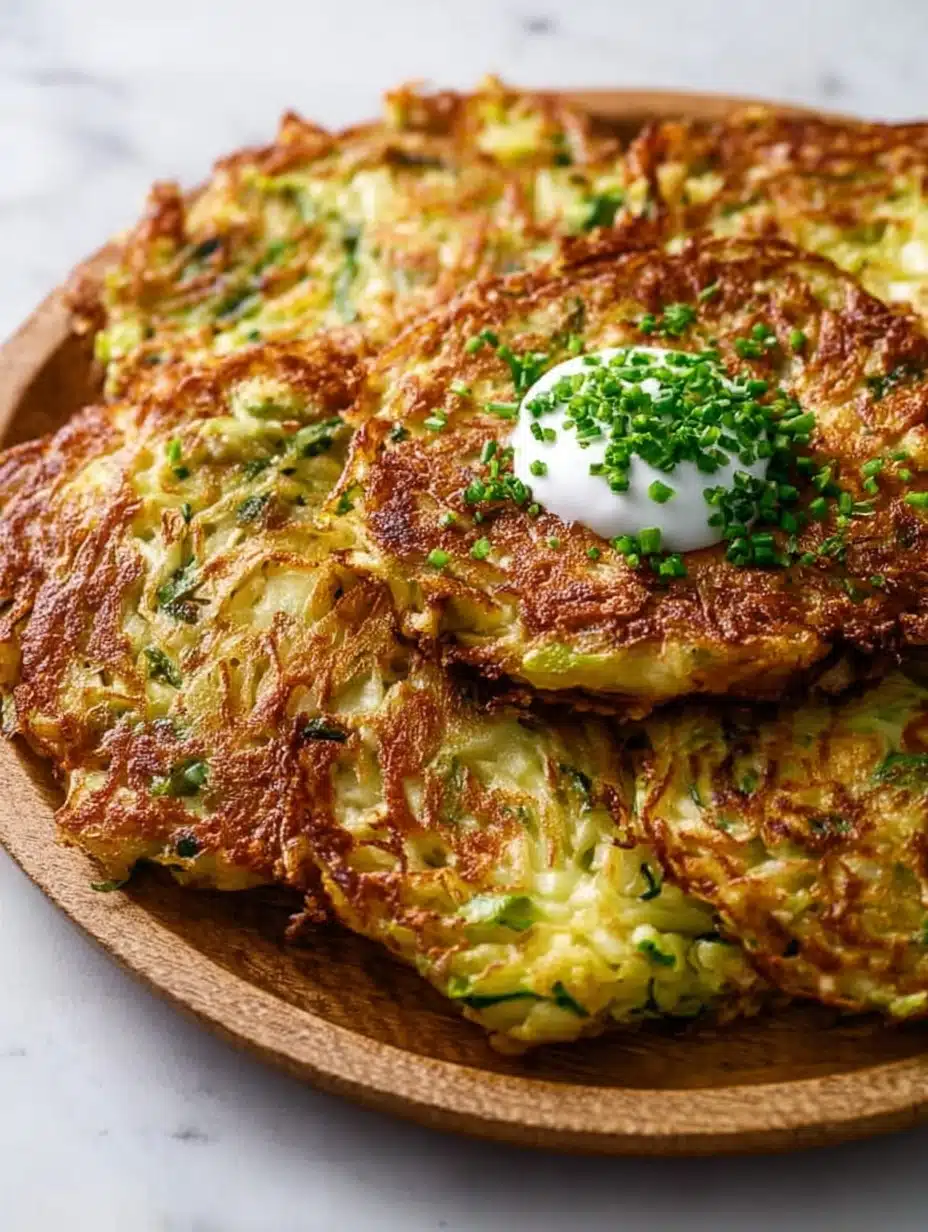
Have you ever had a dish that just works for everyone in the house? This is that dish for me. I mean, my partner claims they taste even better cold, eaten straight from the fridge standing up—can’t say I fully agree but hey, to each their own!
Why You'll Love This (Even If You Think You Don't Like Cabbage)
I make these pancakes a lot when the produce drawer threatens to mutiny, or on evenings when dinner just needs to happen, quickly. My kids gobble them up before I've even managed to sit down. Sometimes, I’m honestly amazed at how little fuss they make—probably because they dunk them in ketchup. (Don’t judge. It keeps the peace.) Also, I’ve tried enough complicated recipes that end up turning my kitchen upside down—these pancakes never do that, which is a blessing on a busy night. If you’re someone who usually gets nervous about flipping pancakes, trust me, these are pretty forgiving—even when I mess one up, it still tastes great! And yes, there are days when I grumble about shredding cabbage, but that’s what the food processor is for...or just bribe a family member to help.
Gather Your Ingredients (Substitutions Welcome)
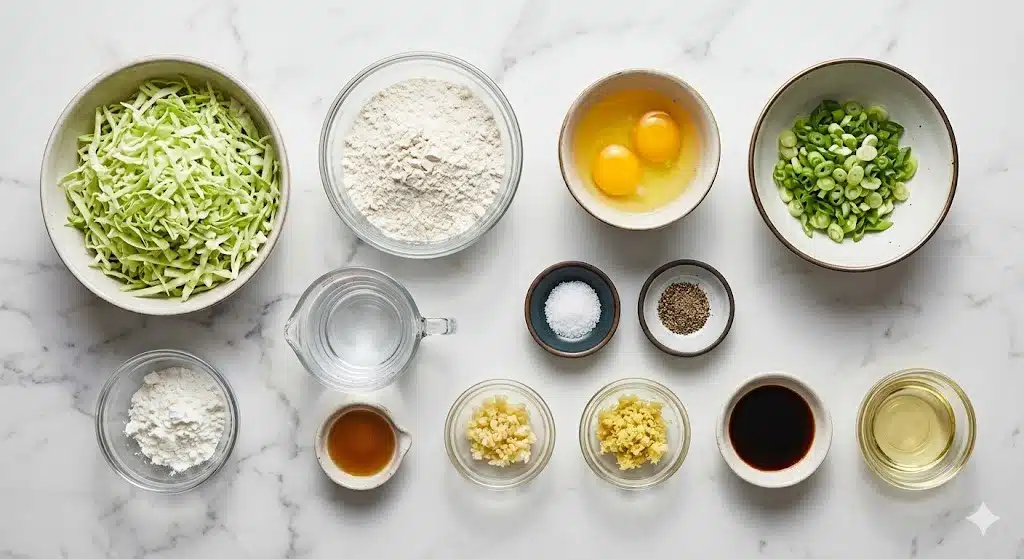
- Half a medium cabbage (about 3 cups when shredded—I like green, but purple makes them look funky!)
- 2 medium carrots, grated (truth: sometimes I skip them if I don't have any, and it's still tasty)
- 3 scallions, chopped (or just use a hunk of regular onion if that's what you've got)
- 2 large eggs (or, I have used flax eggs once when eggs ran out—it worked, sorta)
- ½ cup all-purpose flour (I sometimes swap for rice flour if I'm feeling fancy or need it gluten-free)
- 1 tablespoon soy sauce (my grandma insisted on Kikkoman, but use what you have please)
- 1 teaspoon sesame oil (can skip if you don't have it; olive oil's fine)
- ⅓ cup water (give or take—a little more if the batter seems stiff)
- Salt and pepper to taste (not that I actually measure, but about ½ teaspoon salt, a few cracks of pepper)
- Oil for frying (vegetable, sunflower, whatever's on hand)
Here's How You Do It (With a Few Little Sidetracks)
- First, shred your cabbage nice and thin. If you've got a mandoline, great! If not, just use your sharpest knife and be careful. I sometimes end up with kinda wild pieces but it's all good.
- Grate the carrots and chop up your scallions or onion. If I'm feeling lazy, I just give everything a rough chop—the world hasn't ended yet.
- In a big-ish bowl, whisk the eggs, soy sauce, sesame oil, and water until they look smooth (I tend to just use a fork—less washing up).
- Add the flour, salt, and pepper to the bowl and whisk again until it gets all batter-y. It'll look a bit gloopy, that's what you want!
- Now, toss in the cabbage, carrots, and scallions. Stir really well. If it looks like too much veg and not enough batter, add a splash more water. If it's soupy, add a spoonful more flour. It's all pretty forgiving.
- Heat a good slick of oil in a big skillet (medium heat is my friend here). Drop batter by the heaping spoonful—flatten it out a bit with the back of a spoon.
- Fry until the edges are golden and crispy, about 3-4 minutes. I use this time to sneak the first taste, just sayin'. Flip carefully—if one breaks, snack on it.
- Cook on the other side another 2-3 minutes until they're cooked through and crispy. Drain on a plate with paper towel.
- Repeat until you run out of batter or patience. Sometimes I make a double batch and freeze the extras, but they rarely last long enough!

Random Notes I Wish Someone Had Told Me
- If your cabbage is a bit wilted, no sweat—it crisp up even better, funnily.
- Don't bother salting the cabbage and draining it (I've tried both ways; not worth the extra bowl).
- Thicker pancakes take ages to cook inside. I aim for about finger-width—just right for picking up, too.
Variations I've Tried (and One That Flopped)
- Swapped the carrots for thin strips of bell pepper—good in summer!
- Threw in some chopped kimchi (that makes it like a cheat's version of Korean jeon—spicy and brilliant).
- Used chickpea flour for a vegan twist. Actually, I think it's a touch heavy for my taste, but my vegan friend was over the moon.
- Added a pinch of curry powder once—would not repeat, but if you love curry, maybe?

Equipment (or Not... DIY Works Too)
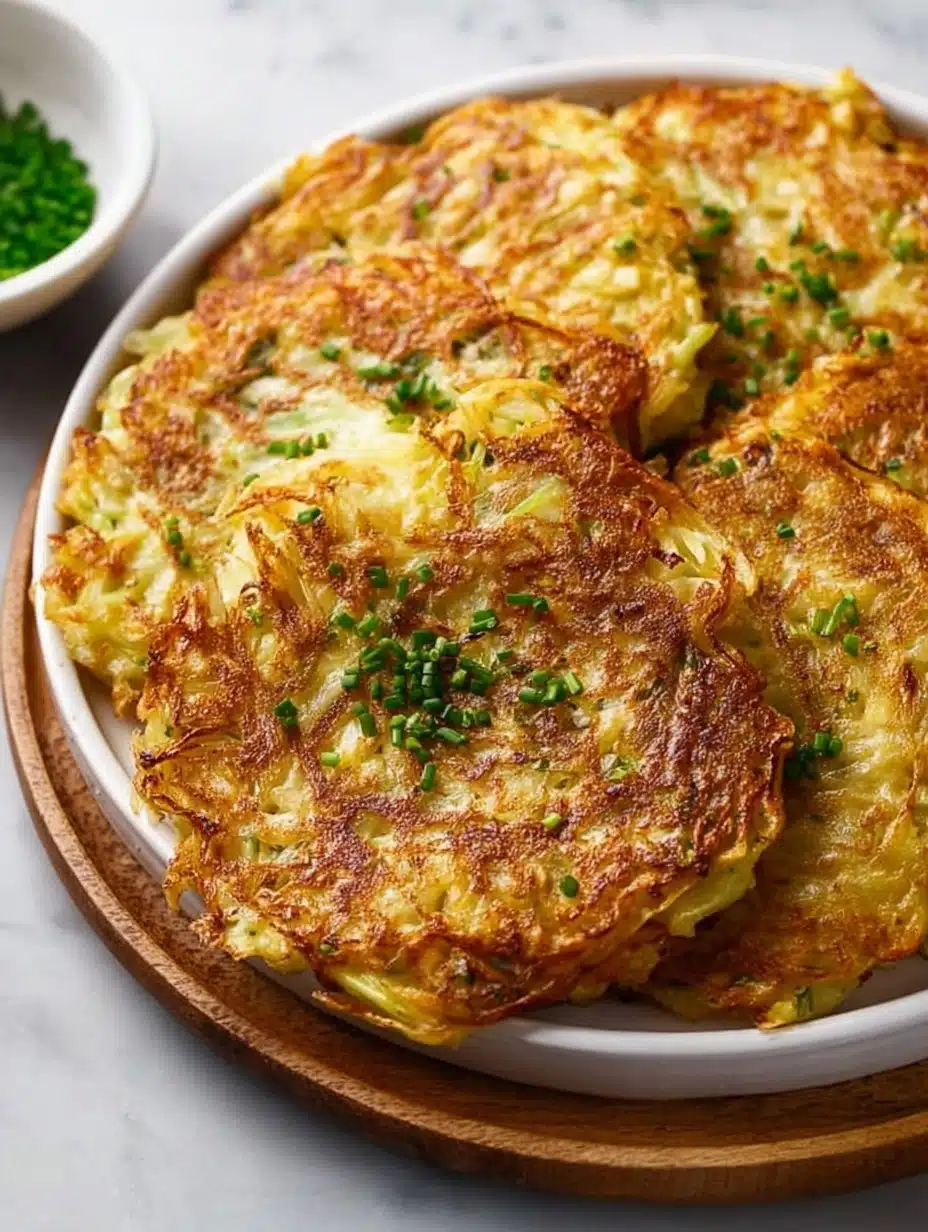
I always use my trusty nonstick skillet because, well, less sticking (duh). But honestly, I've made these in a well-oiled cast iron and even a tired old regular frying pan. If you don't have a whisk, just use a fork for the batter. No food processor? Get cozy with your box grater.
How to Store These (But... Will You Even Need To?)
Pop cooled pancakes into an airtight container and keep 'em in the fridge—should be fine for up to three days, though honestly, in my house it never lasts more than a day! They freeze, too, but just make sure to separate layers with parchment so they don't turn into a solid pancake block (voice of experience there).
Serving Them Up (The Way We Like Best)
I love serving these with a little sweet chili sauce, or just plain old soy sauce. My youngest dunks them in mayo mixed with sriracha, which I thought was weird at first but...y'know what? It's actually pretty tasty. In summer, I'll do a little cucumber salad on the side. Oh, and on Saturday mornings, cold leftovers (if there are any) make a mean sandwich filler. Don’t knock it till you try it.
Pro Tips I Learned the (Kinda) Hard Way
- Don’t crowd the pan—I once thought I’d save time, but just ended up with soggy pancakes. Crispy edges need breathing space!
- Let the batter rest for a few minutes. Actually, I find it works better if you give it five minutes so the flour hydrates. I used to rush it, and it’s worth the wait.
- If the first pancake is super pale, turn up the heat a tiny bit; it’s okay to adjust as you go.
The Questions People Keep Asking Me
- Can I make this gluten-free? Yep, just use rice flour or a gluten-free all-purpose blend. It’s a tad more crumbly, but still great.
- Help, my pancakes are too soft inside! Oh, just cook ‘em a bit longer at a slightly lower temp, and flatten them out more. Or maybe you added a bit too much water—on second thought, I’ve definitely done that.
- I hate cabbage—anything else? Friend, you can shred up whatever veg isn’t plotting escape form your fridge. Try zucchini (squeeze it first!) or shredded potato for a whole different vibe.
- Can I add meat? Sure—chopped shrimp or diced ham is good, but cook it first or you’ll regret it.
- Kids won’t eat veggies. Any hope? Hide a spoonful of grated cheese in the batter, or serve with their favorite dip. Kids are wily, but so are home cooks.
And hey, while we’re here, has anyone figured out how to shred cabbage without making a complete mess? If you have, tell me—I’m all ears. Enjoy your pancakes!
Ingredients
- Half a medium cabbage (about 3 cups when shredded—I like green, but purple makes them look funky!)
- 2 medium carrots, grated (truth: sometimes I skip them if I don't have any, and it's still tasty)
- 3 scallions, chopped (or just use a hunk of regular onion if that's what you've got)
- 2 large eggs (or, I have used flax eggs once when eggs ran out—it worked, sorta)
- ½ cup all-purpose flour (I sometimes swap for rice flour if I'm feeling fancy or need it gluten-free)
- 1 tablespoon soy sauce (my grandma insisted on Kikkoman, but use what you have please)
- 1 teaspoon sesame oil (can skip if you don't have it; olive oil's fine)
- ⅓ cup water (give or take—a little more if the batter seems stiff)
- Salt and pepper to taste (not that I actually measure, but about ½ teaspoon salt, a few cracks of pepper)
- Oil for frying (vegetable, sunflower, whatever's on hand)
Instructions
-
1First, shred your cabbage nice and thin. If you've got a mandoline, great! If not, just use your sharpest knife and be careful. I sometimes end up with kinda wild pieces but it's all good.
-
2Grate the carrots and chop up your scallions or onion. If I'm feeling lazy, I just give everything a rough chop—the world hasn't ended yet.
-
3In a big-ish bowl, whisk the eggs, soy sauce, sesame oil, and water until they look smooth (I tend to just use a fork—less washing up).
-
4Add the flour, salt, and pepper to the bowl and whisk again until it gets all batter-y. It'll look a bit gloopy, that's what you want!
-
5Now, toss in the cabbage, carrots, and scallions. Stir really well. If it looks like too much veg and not enough batter, add a splash more water. If it's soupy, add a spoonful more flour. It's all pretty forgiving.
-
6Heat a good slick of oil in a big skillet (medium heat is my friend here). Drop batter by the heaping spoonful—flatten it out a bit with the back of a spoon.
-
7Fry until the edges are golden and crispy, about 3-4 minutes. I use this time to sneak the first taste, just sayin'. Flip carefully—if one breaks, snack on it.
-
8Cook on the other side another 2-3 minutes until they're cooked through and crispy. Drain on a plate with paper towel.
-
9Repeat until you run out of batter or patience. Sometimes I make a double batch and freeze the extras, but they rarely last long enough!
Approximate Information for One Serving
Nutrition Disclaimers
Number of total servings shown is approximate. Actual number of servings will depend on your preferred portion sizes.
Nutritional values shown are general guidelines and reflect information for 1 serving using the ingredients listed, not including any optional ingredients. Actual macros may vary slightly depending on specific brands and types of ingredients used.
To determine the weight of one serving, prepare the recipe as instructed. Weigh the finished recipe, then divide the weight of the finished recipe (not including the weight of the container the food is in) by the desired number of servings. Result will be the weight of one serving.
Did you make this recipe?
Please consider Pinning it!