
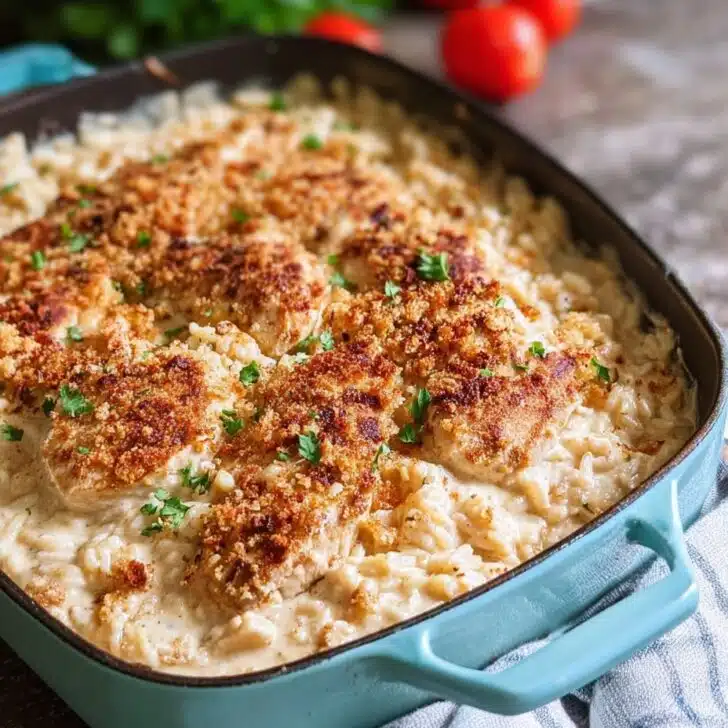
So, About This Creamy Chicken and Rice...
Alright, straight up: I've been making some form of creamy chicken and rice since before I actually knew how to cook (which, for the record, involved at least two smoke alarms, but you didn't ask). It’s the dish I turn to when I want comfort but don’t want to run to the grocery store, so you’ll see a lot of “well, any rice will do” and “butter is good, but use oil if you must.” Best part? My partner calls this “hug-in-a-bowl” food, which is both cute and true. I made it last Sunday after we accidentally mixed up our dinner plans but had thawed chicken, and honestly, I kind of hope for more ‘oops, forgot to plan’ nights now.

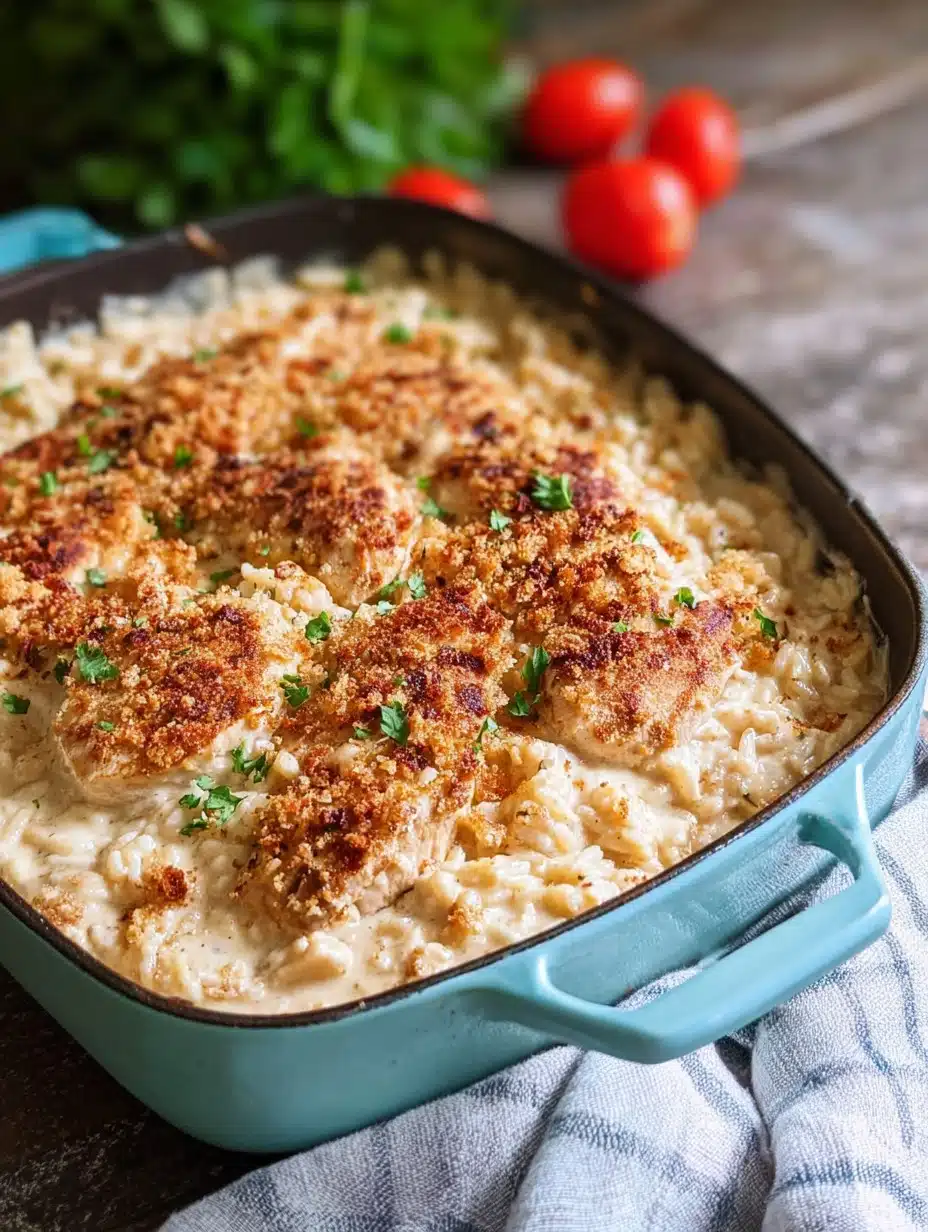
Why I Keep Coming Back to This (And Maybe You Will Too)
I make this for everything—from lazy Tuesday nights when the weather’s a bit rubbish to group potlucks when I panic and need something that won’t fail. My family goes absolutely bananas for this (even the five-year-old, whose main food group used to be crackers). Sometimes I jazz it up with a sprinkle of smoked paprika or more garlic. There’s something about creamy chicken and rice—probably how forgiving it is. Like, you mess up the timing? It usually still tastes great. I’ve burned a few things in my day, but this hasn’t let me down, which is really saying something.
What You'll Need (But Swap Where You Like!)
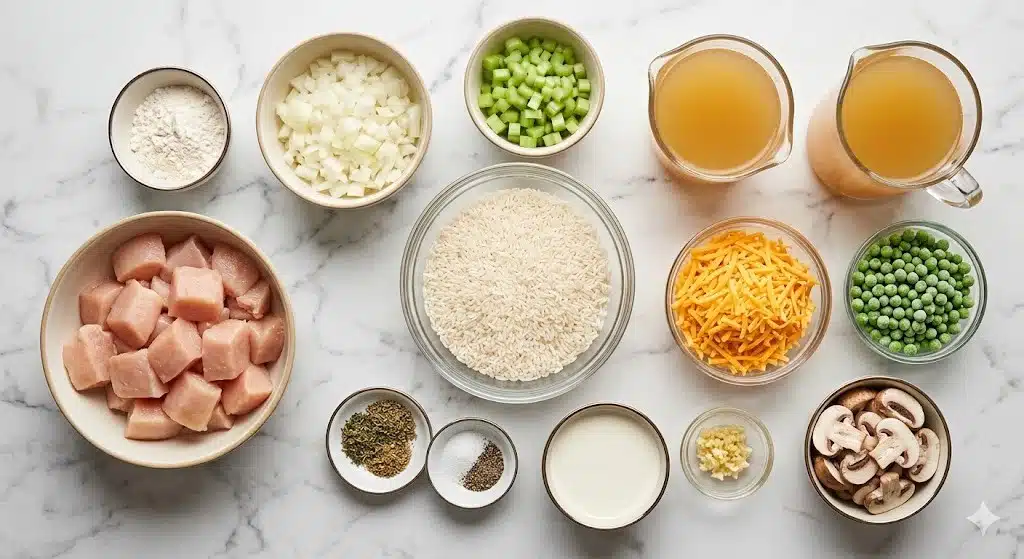
- 2 boneless, skinless chicken breasts (or thighs—honestly, use whatever’s in the freezer)
- 1 cup long grain white rice (I sometimes use jasmine rice if I’m feeling fancy, and my gran swore by Uncle Ben’s, but any plain rice will do, even brown in a pinch—just cook it longer)
- 2 tablespoons butter (or olive oil; if you’re out, margarine weirdly works)
- 1 small onion, diced (yellow, white, heck, red if you want)
- 2 garlic cloves, minced (honestly, I double it half the time)
- 2 cups chicken broth (homemade, box, or even one of those bouillon cubes in a big mug of hot water)
- 1 cup milk (whole is creamier, but I’ve used skim—cream works, too, but it's almost too rich for me)
- ½ cup grated Parmesan (optional, but I love adding the cheap pre-grated kind for extra oomph)
- 1 cup frozen peas (or a mix of peas and carrots, sometimes I just toss in whatever veg hasn’t wilted)
- Salt and pepper to taste (and maybe a pinch of dried thyme if you’re in the mood, but not essential)
How I Throw It All Together
- First things first, chop your chicken into bite-sized pieces. Not tiny, just something you can fit on a fork easily—nobody wants chicken boulders here.
- Grab a biggish pot or skillet (I once tried a saucepan, and let’s just say never again). Melt the butter over medium heat. Throw in the diced onion and let it get translucent and maybe a little golden—don’t rush it, it brings out the sweet flavor.
- Add the garlic and, like, cook it for a minute. Don’t burn it—burnt garlic is the fastest way to ruin dinner, trust me.
- Tip in the chicken pieces, sprinkle with salt and pepper, and brown them a bit. They don’t have to be cooked through yet, just not raw and sad-looking.
- Stir in the rice (yep, straight in—no pre-cooking or rinsing here, though maybe you’re supposed to, but I never do). Let it toast for a couple of minutes. It’ll start to smell a bit nutty, that’s when you know it’s right.
- Pour in chicken broth and milk. Give it all a good stir, scraping up any bits stuck to the bottom (flavor city!), then pop a lid on and lower the heat to a gentle simmer.
- Let it cook for about 18–20 minutes (here’s where I sometimes wander off and hope I didn’t forget, but it’s pretty forgiving). If the liquid disappears too fast, just splash in a bit more broth or milk—it shouldn’t dry out.
- Once the rice has softened and everything’s looking creamy, stir in frozen peas (or veg of your choice) and Parmesan. Another couple of minutes, and it’s ready. This is usually when I sneak a taste or three.
- Turn off the heat. Let it sit for maybe five minutes—it’ll thicken up, trust me. Taste and tweak the salt and pepper (sometimes I add a tiny splash of lemon juice if I feel wild).

What I Wish I'd Known Sooner (Little Notes)
- If you want a creamier dish, use all milk and skip the broth—I did that once and nearly floated away on a dairy cloud.
- You can absolutely make this ahead; in fact, I think it tastes better the next day when it’s reheated. The rice soaks up flavors overnight.
- If you overcook the rice and it gets mushy, just call it risotto and pretend you meant it!
Random Variations (Some…More Successful than Others)
- Add a spoonful of Dijon mustard when you stir in the peas—sounds odd, but gives a little grown-up zing.
- Sub turkey for chicken after the holidays, or swap peas for corn—my husband prefers it that way, for reasons unknown.
- I once tried adding pineapple—do NOT recommend, unless you’re making some wild Hawaiian version I can’t yet imagine.


Cooking Gear I Actually Use (But Improvise If You Need To)
- Large pot or deep skillet (a Dutch oven is great, but my regular old soup pot does fine)
- Chopping board for the veg and chicken (I have one that wobbles and it still works)
- A wooden spoon, or honestly any spoon you like
If you don’t have a lid, just use a big plate or even a sheet of foil—done that in a pinch.
Keeping Leftovers—For Theoretical Purposes
This keeps in an airtight container in the fridge for about 2-3 days, though honestly, in my house it never lasts more than a day! If you do manage leftovers, add a splash of milk before reheating so it’s not too thick.
Serving It Up (What Works for Us)
I usually plop this straight into some deep bowls, and I love a side of crusty bread for ‘mopping up’ (as my mum called it). Sometimes my son insists on ketchup with it? Kids, eh. Occasionally, I sprinkle a bit of extra Parmesan on top and maybe some chopped fresh herbs if I've got them lurking in the fridge.
Stuff I Learned The Hard Way
- I once tried rushing the rice and got crunchy grains—just let it simmer till done, even if you’re running late.
- If you forget to stir after adding the milk, it can catch—and trust me, scraping burnt milk off a pot is right up there with least fun kitchen chores.
- I used to forget to season the chicken until the end, but seasoning as you go tastes heaps better.
People Ask Me...
- Can I use leftover cooked chicken?
Yep, just toss it in with the peas so it doesn’t dry out—cut the main simmer time down, since you’re only warming it through. - What if I only have instant rice?
I mean, go for it, but cut the liquid back and barely simmer; it’ll be a bit less creamy, but no crime in shortcuts. - Can you freeze this?
You can, but in my honest opinion, the texture gets weird and rice can turn all grainy. On second thought, probably best to just eat it while it’s fresh. - Could I leave out the cheese?
Absolutely. I’ve done it loads of times—just bump up the seasoning or add a dollop of sour cream at the end instead. - Is this gluten free?
As long as your broth is gluten free, yes! But read the labels if it's a concern, since some sneaky broths hide wheat in there.
Oh, and if you do try a twist that works (or flops spectacularly), let me know—I'm all ears for brilliant disasters!
Ingredients
- 2 boneless, skinless chicken breasts (or thighs—honestly, use whatever’s in the freezer)
- 1 cup long grain white rice (I sometimes use jasmine rice if I’m feeling fancy, and my gran swore by Uncle Ben’s, but any plain rice will do, even brown in a pinch—just cook it longer)
- 2 tablespoons butter (or olive oil; if you’re out, margarine weirdly works)
- 1 small onion, diced (yellow, white, heck, red if you want)
- 2 garlic cloves, minced (honestly, I double it half the time)
- 2 cups chicken broth (homemade, box, or even one of those bouillon cubes in a big mug of hot water)
- 1 cup milk (whole is creamier, but I’ve used skim—cream works, too, but it's almost too rich for me)
- ½ cup grated Parmesan (optional, but I love adding the cheap pre-grated kind for extra oomph)
- 1 cup frozen peas (or a mix of peas and carrots, sometimes I just toss in whatever veg hasn’t wilted)
- Salt and pepper to taste (and maybe a pinch of dried thyme if you’re in the mood, but not essential)
Instructions
-
1First things first, chop your chicken into bite-sized pieces. Not tiny, just something you can fit on a fork easily—nobody wants chicken boulders here.
-
2Grab a biggish pot or skillet (I once tried a saucepan, and let’s just say never again). Melt the butter over medium heat. Throw in the diced onion and let it get translucent and maybe a little golden—don’t rush it, it brings out the sweet flavor.
-
3Add the garlic and, like, cook it for a minute. Don’t burn it—burnt garlic is the fastest way to ruin dinner, trust me.
-
4Tip in the chicken pieces, sprinkle with salt and pepper, and brown them a bit. They don’t have to be cooked through yet, just not raw and sad-looking.
-
5Stir in the rice (yep, straight in—no pre-cooking or rinsing here, though maybe you’re supposed to, but I never do). Let it toast for a couple of minutes. It’ll start to smell a bit nutty, that’s when you know it’s right.
-
6Pour in chicken broth and milk. Give it all a good stir, scraping up any bits stuck to the bottom (flavor city!), then pop a lid on and lower the heat to a gentle simmer.
-
7Let it cook for about 18–20 minutes (here’s where I sometimes wander off and hope I didn’t forget, but it’s pretty forgiving). If the liquid disappears too fast, just splash in a bit more broth or milk—it shouldn’t dry out.
-
8Once the rice has softened and everything’s looking creamy, stir in frozen peas (or veg of your choice) and Parmesan. Another couple of minutes, and it’s ready. This is usually when I sneak a taste or three.
-
9Turn off the heat. Let it sit for maybe five minutes—it’ll thicken up, trust me. Taste and tweak the salt and pepper (sometimes I add a tiny splash of lemon juice if I feel wild).
Approximate Information for One Serving
Nutrition Disclaimers
Number of total servings shown is approximate. Actual number of servings will depend on your preferred portion sizes.
Nutritional values shown are general guidelines and reflect information for 1 serving using the ingredients listed, not including any optional ingredients. Actual macros may vary slightly depending on specific brands and types of ingredients used.
To determine the weight of one serving, prepare the recipe as instructed. Weigh the finished recipe, then divide the weight of the finished recipe (not including the weight of the container the food is in) by the desired number of servings. Result will be the weight of one serving.
Did you make this recipe?
Please consider Pinning it!