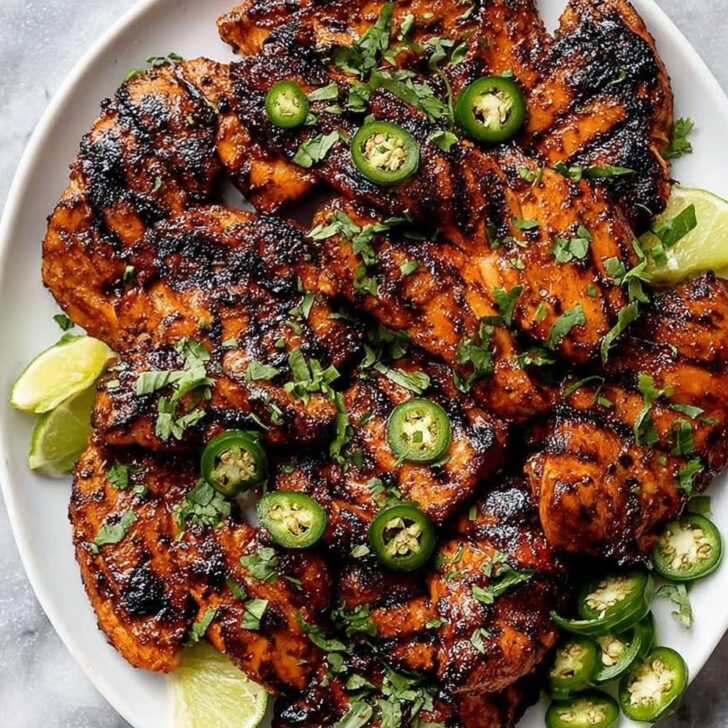
Okay, if you’ve ever pried a lime open with sore fingers and gotten a bunch of juice squirted in your eye—same. That’s how so many of my Chili Lime Marinade adventures begin, because, honestly, I throw this on almost anything that’ll sit still long enough. Chicken, shrimp, weirdly good with tofu (yep, I tried that once). I think I first cobbled together some version of this when I was in college and low on pretty much everything except those little packets of chili powder; literally the only thing in my spice rack. The rest is history (or at least, very tasty dinners).
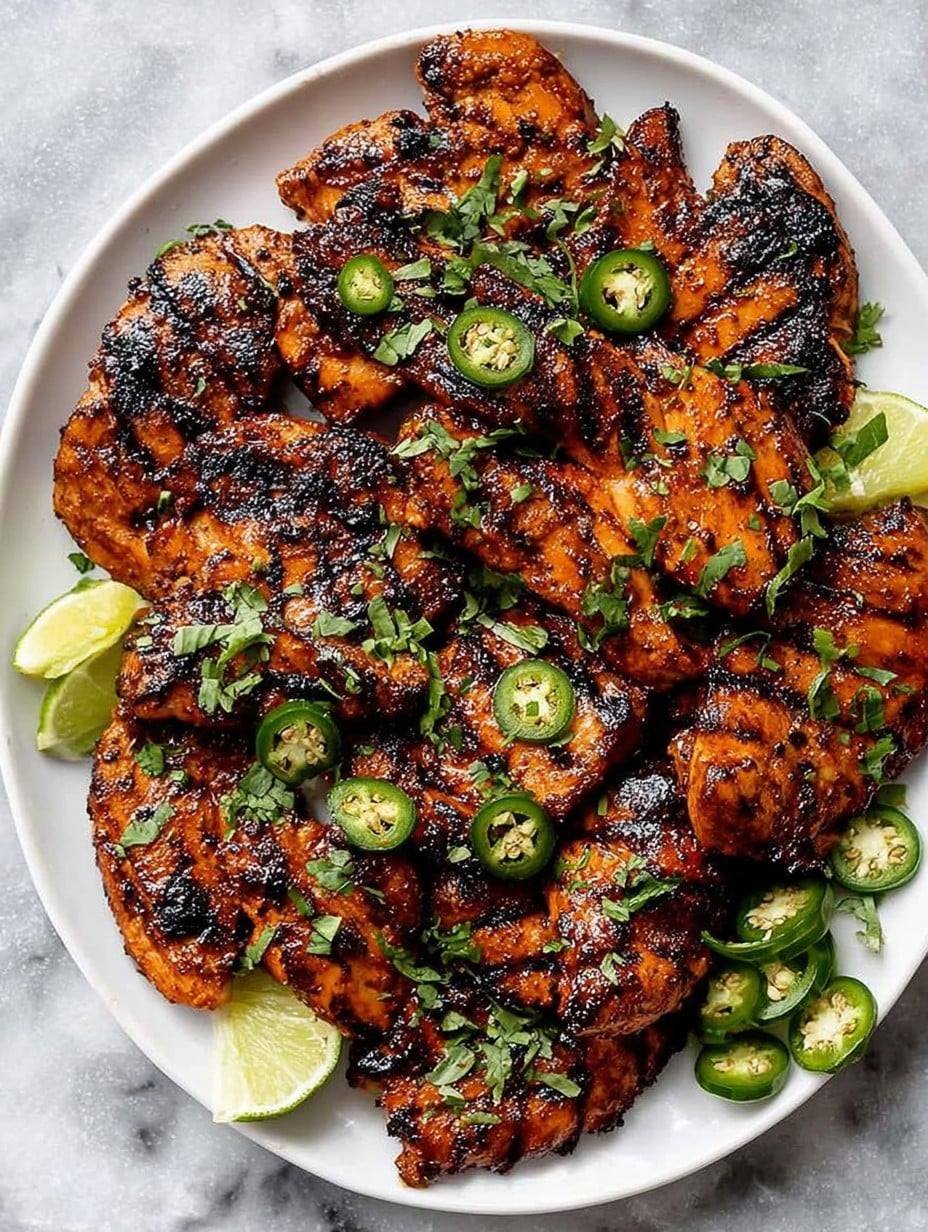
I should warn you — you might start putting this on stuff you never intended to marinate. I once poured extra over roasted sweet potatoes and, well, never looked back. Oh, and try not to lick your fingers after mixing. Or do. I don't judge!
Why You'll Love This Marinade (Or, Why I Keep Making It)
- I make this whenever I realize dinner needs a kick in the pants. It’s bright, tangy, and honestly just wakes up blah chicken in a way I didn’t know was possible.
- My family basically protests if I don’t add this to our weekly rotation — except for that one time I went heavy-handed on the chili and, well, my youngest called it “fire juice.” (Oops.)
- It’s forgiving. Out of limes? I’ve used lemons. No fresh garlic? The jarred stuff kinda works—just don’t tell my picky uncle. Sometimes I swap in smoked paprika if I want less heat, more drama.
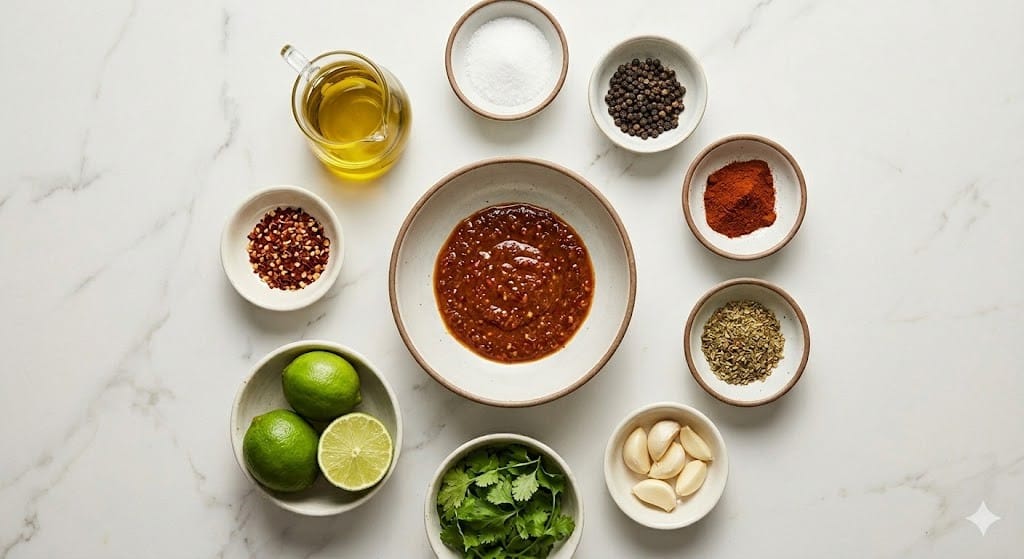
What Goes In? Ingredients (No Need to Be Fussy)
- 2 limes, juiced and zested (I sometimes use bottled juice if I’m being lazy – shh!)
- 3 tablespoons olive oil (I imagine any neutral oil would do, but olive oil adds its own twist)
- 2 tablespoons honey (or maple syrup, especially if you’re out or feeling fancy)
- 1 tablespoon chili powder (paprika works in a pinch, or mix both for fun)
- 2 garlic cloves, minced (the pre-minced kind is fine on busy days, I swear)
- 1 teaspoon ground cumin (optional, but I’m partial to that earthy thing it does)
- 1 teaspoon salt (I’ve gone up to 1.5 when I knew the protein would soak up more)
- ½ teaspoon black pepper (cracked, ground, whatever you got works)
- Pinch of crushed red pepper flakes (totally optional if you want more heat, skip if kids are about)
How To Make Chili Lime Marinade (Without Losing Your Mind)
- Zest your limes first—I always forget and try to wrangle a slippery, already-squeezed half. Trust me, it’s easier this way.
- In a medium bowl (or honestly, a big mug if that’s what’s clean), whisk together the lime juice and zest, olive oil, and honey. It’ll look all swirly for a second; that’s normal.
- Dump in chili powder, the minced garlic, cumin (if using), salt, black pepper, and those chili flakes if you like living dangerously. Mix it until everything’s talking to each other nicely.
- This is the bit where I usually stick my finger in for a taste, make a face, then adjust the salt or lime if needed. If it’s too punchy, a little more honey fixes that.
- Pour your fresh concoction over whatever you’re marinating—chicken, shrimp, veggies, tofu—just make sure it’s coated. Let it sit for at least 30 minutes (longer if you remember; ahem, sometimes I forget and just go for it after 10 minutes).
Random Notes I Actually Use
- If you microwave limes for ~10 seconds, they give up more juice. Magic, or science? Who knows!
- I think this tastes better the next day, after the flavors have had a chance to mingle (if you haven’t used it all up, that is).
- If your honey’s stubborn, warm it a smidge. I'm forever scraping it out from the bottom of the jar.
Variations I’ve Trialed (Some Worked... Some Not So Much)
- Tried orange juice instead of lime. It was... fine? Not bad. Too sweet for me.
- Added fresh chopped cilantro once – that was a hit, unless you’re cilantro-averse, in which case, skip it with my blessing.
- Once impulsively tossed in a splash of soy sauce. Not the best, not the worst. Actually, no, it was kinda weird. Won't repeat.
Equipment (Don’t Sweat It If You’re Missing Something)
- Zester or microplane – but I’ve used a box grater and even a sharp knife once when desperate.
- A bowl or a gigantic mug (my standby for rushed weeknights)
- Whisk or fork; as long as it mixes stuff, who cares?
Storing The Marinade (Or, Why There’s Never Leftovers)
If I do make it ahead, it’ll keep in the fridge for up to 3 days in a jar. But, honestly—this rarely survives a single grilling session at my house. If you use it all, join the club.
Fun Ways To Use It (Aka What Happens After Marinating)
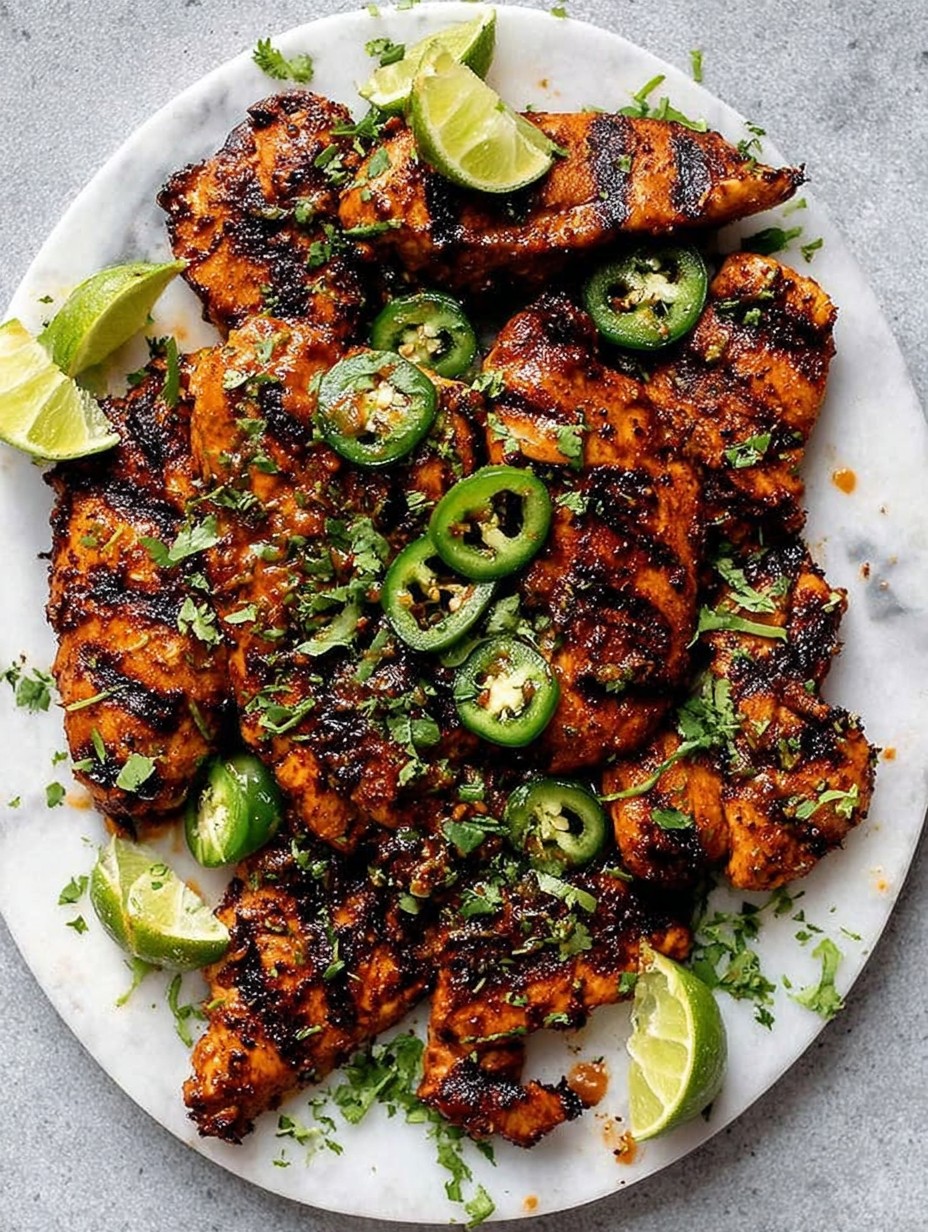
- Grilled chicken skewers—sometimes over rice, or, on busy nights, just with hunks of bread to mop up extra sauce (not the fanciest, but no one’s complained yet)
- Shrimp tacos topped with slaw and extra lime wedges; my favorite, especially in warmer months
- Roast veggies with leftover marinade as a glaze (carrots take to it surprisingly well)
Real-Deal Pro Tips (Learned The Hard Way)
- Don’t rush the marinating. I tried skipping that 30-minute mark once—bland. Totally regretted it.
- If you want a thicker marinade, whisk in a bit more honey or let it sit out for five minutes, but don’t overthink it.
- Use glass or ceramic dishes (I once marinated in a metal bowl and it tasted faintly of…metal. Won’t do that again.)
Questions I’ve Actually Been Asked (And My Real Answers!)
- Can I freeze the marinade?
Sure, if you must! I usually mix it straight onto the meat and freeze together. But the fresh citrus punch is a bit less pronounced after freezing. - Will this work on beef?
Yep, beef tips or skirt steak suck this up, though I might add an extra lime just to make it pop. - Is this super spicy?
Not unless you go wild with the pepper flakes. My youngest can handle it when I dial it back, so it’s flexible. - Can I double the recipe?
Of course! Just try to keep the oil and lime balance. Actually, I usually just eyeball it and hope for the best. - What if I don’t have fresh garlic?
Go with the jarred stuff or garlic powder. No one’s judging (well, my aunt might, but she’s not here, is she?).
Anyway, hope you have a go at this! If nothing else, it’ll make you feel like summer’s just around the corner—even in the rainy months.
Ingredients
- 2 limes, juiced and zested (I sometimes use bottled juice if I’m being lazy – shh!)
- 3 tablespoons olive oil (I imagine any neutral oil would do, but olive oil adds its own twist)
- 2 tablespoons honey (or maple syrup, especially if you’re out or feeling fancy)
- 1 tablespoon chili powder (paprika works in a pinch, or mix both for fun)
- 2 garlic cloves, minced (the pre-minced kind is fine on busy days, I swear)
- 1 teaspoon ground cumin (optional, but I’m partial to that earthy thing it does)
- 1 teaspoon salt (I’ve gone up to 1.5 when I knew the protein would soak up more)
- ½ teaspoon black pepper (cracked, ground, whatever you got works)
- Pinch of crushed red pepper flakes (totally optional if you want more heat, skip if kids are about)
Instructions
-
1Zest your limes first—I always forget and try to wrangle a slippery, already-squeezed half. Trust me, it’s easier this way.
-
2In a medium bowl (or honestly, a big mug if that’s what’s clean), whisk together the lime juice and zest, olive oil, and honey. It’ll look all swirly for a second; that’s normal.
-
3Dump in chili powder, the minced garlic, cumin (if using), salt, black pepper, and those chili flakes if you like living dangerously. Mix it until everything’s talking to each other nicely.
-
4This is the bit where I usually stick my finger in for a taste, make a face, then adjust the salt or lime if needed. If it’s too punchy, a little more honey fixes that.
-
5Pour your fresh concoction over whatever you’re marinating—chicken, shrimp, veggies, tofu—just make sure it’s coated. Let it sit for at least 30 minutes (longer if you remember; ahem, sometimes I forget and just go for it after 10 minutes).
Approximate Information for One Serving
Nutrition Disclaimers
Number of total servings shown is approximate. Actual number of servings will depend on your preferred portion sizes.
Nutritional values shown are general guidelines and reflect information for 1 serving using the ingredients listed, not including any optional ingredients. Actual macros may vary slightly depending on specific brands and types of ingredients used.
To determine the weight of one serving, prepare the recipe as instructed. Weigh the finished recipe, then divide the weight of the finished recipe (not including the weight of the container the food is in) by the desired number of servings. Result will be the weight of one serving.
Did you make this recipe?
Please consider Pinning it!