
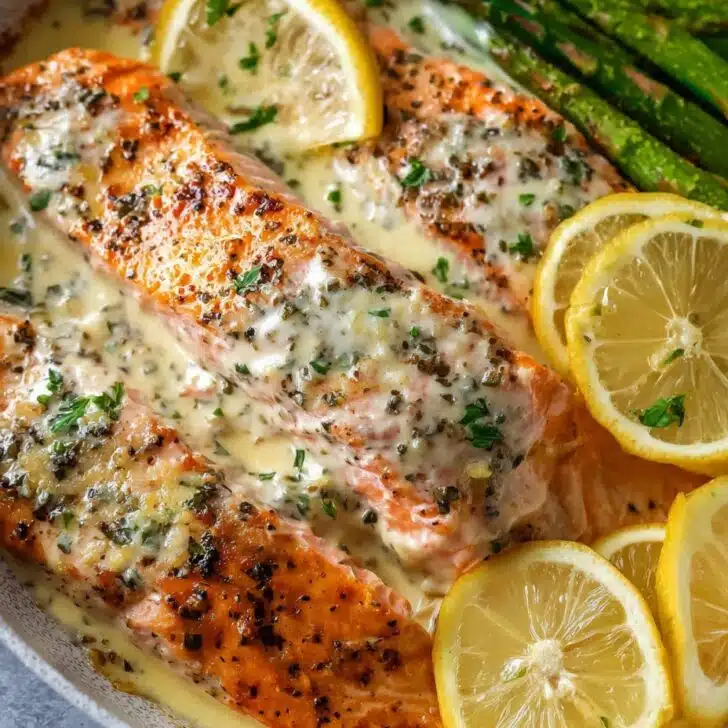
So Here’s My Story With This Salmon Recipe
Okay, so picture this: it's Tuesday. Cold out, sort of dreary, and I'm staring into the fridge wondering what's for dinner (again). Salmon on sale? Thank you, universe! This is pretty much my go-to dish when I want to pretend I have my life together. Actually, the first time I made this, I ended up with a tiny kitchen flood from a too-full pot of cream... but that’s another tale. These days, things usually go a lot smoother and we all cheer for salmon night, well, except for my daughter who claims she's allergic to “anything shaped like a fish.” She does eat the sauce, though. Go figure.

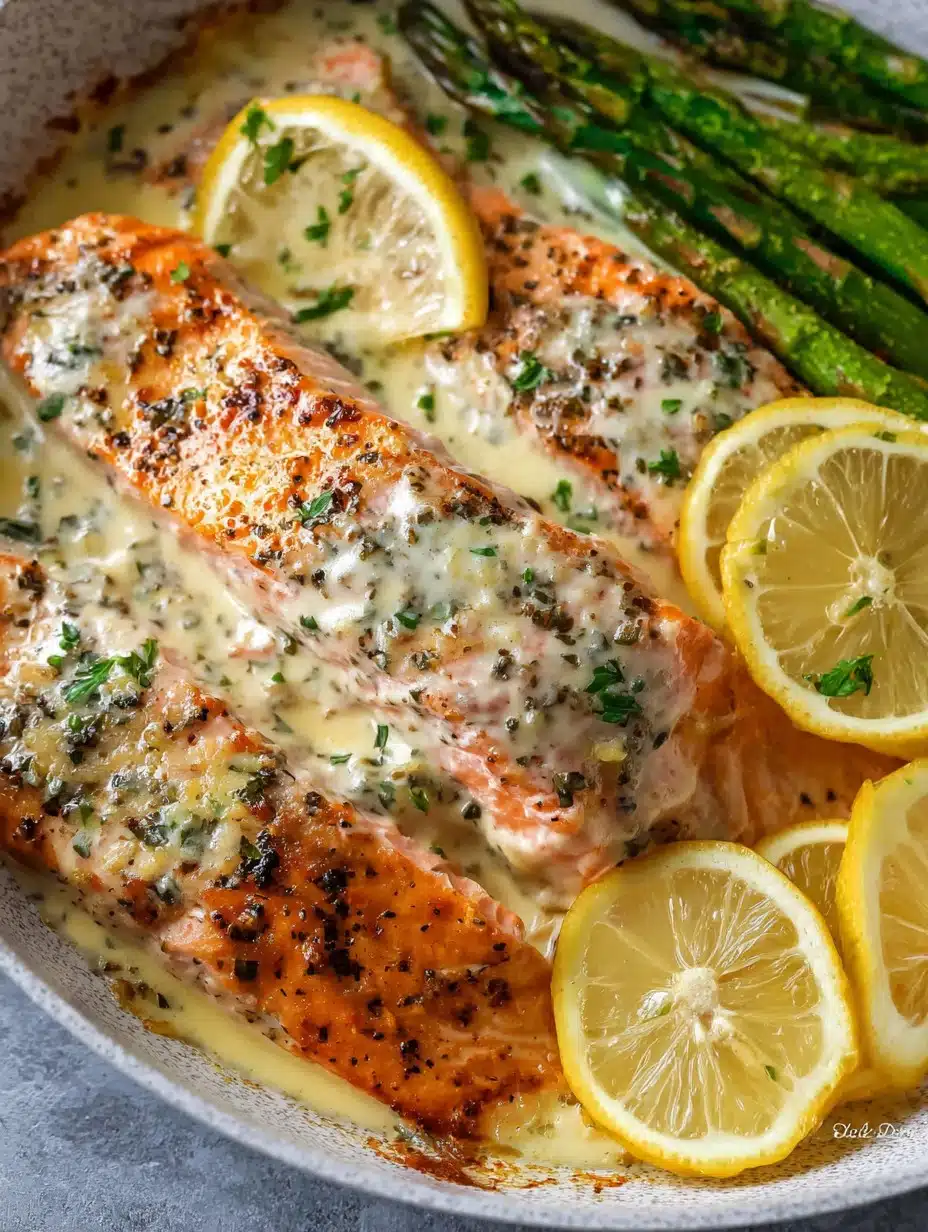
Why I Make This Again (and Again)
I make this when I want to impress people for minimum effort (seriously, nobody needs to know it only takes like 30 minutes). My family loves it because it's rich but also sort of light, and the sauce turns even the most blah veggie sides into something fun. My husband calls it the 'fancy fish' and I call it a win—sometimes the skin gets a bit too crispy but hey, char is flavor, right? I do get annoyed grating lemon zest, though. Anyone else?
You’ll Need (But I Barely Measure)
- 4 salmon fillets (skin on or off—my gran insisted on skin, but I flip-flop depending what's in the fridge)
- Salt and pepper (I just use whatever’s closest)
- 2 tablespoons olive oil (sometimes I use butter, depends on the mood!)
- 2 cloves garlic, minced (I’m lazy and use the jar stuff if I must)
- Juice & zest of 1 big lemon (or a couple scrawny ones, or that juice in a bottle if I’m desperate—nobody notices)
- ½ cup heavy cream (have subbed in Greek yogurt, half and half, honestly even creme fraiche once... result is a bit tangier)
- 2 tablespoons unsalted butter (but salted works too, just go easy on the other salt)
- Optional: fresh dill or parsley (I use whatever green herb hasn’t wilted entirely)
How I Actually Make It (Usually in a Hurry)
- Preheat your oven to about 400°F (205°C-ish). Or just a bit higher if it's cold and you like things crispy. Line a baking tray with foil or parchment—cleaning fish gunk is not a hobby of mine.
- Pat the salmon dry (if you remember) and lay them skin-side down. Sprinkle salt, pepper, a little extra olive oil. Sometimes I zest the lemon right over them before baking—builds flavor, or so I tell myself.
- Pop them in the oven. Bake for 12 to 15 minutes but check at 10. You know your oven better than I do. If it flakes with a fork, you’re golden. Don’t stress—the sauce hides most sins.
- Sauce time: In a small saucepan, add the olive oil (or butter, I switch it up), then add minced garlic. Sizzle for a minute (don't let it burn! Learned that the hard way—burnt garlic is a beast.)
- Pour in the cream—careful, it splatters. This is where I sneak a taste. Add lemon juice and zest (or don't if you forgot; it's fine, but try next time). Stir and let it bubble gently a minute or two.
- Drop in the butter (sometimes I add a little more than 2 tablespoons—not sorry). Swirl til melty and emulsified. Taste. More salt? More lemon? There’s no wrong move.
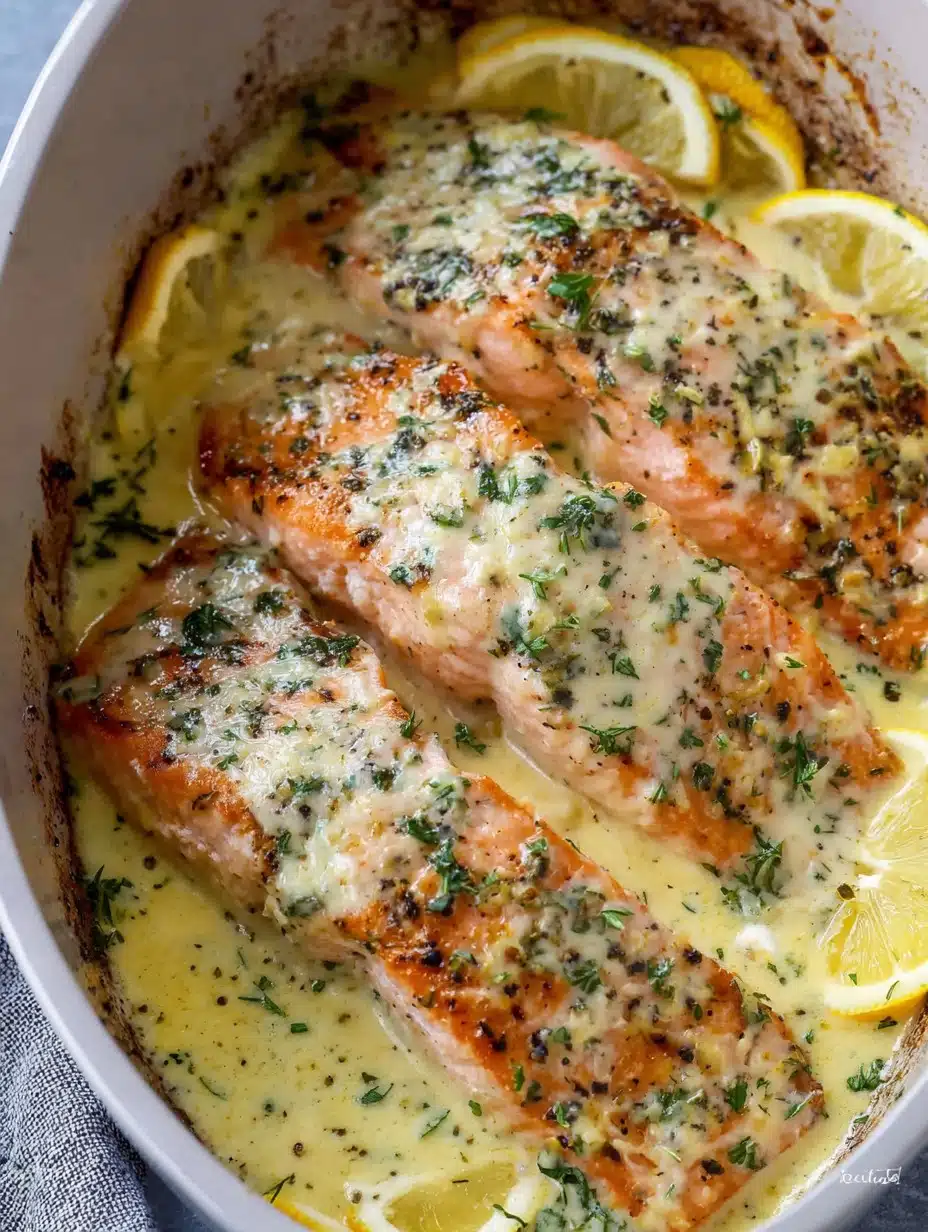
- Pour the warm sauce over the just-baked salmon fillets, garnish with herbs for Instagram points or just dig in. Oh, don’t worry if the sauce seems too thin—it thickens a bit as it sits.
My Actually Useful Notes
- If the sauce splits, just whisk like mad or add a splash of cold cream. (Took me too long to figure this out.)
- The skin gets crispy if you bake it high enough, but you can always peel it off if it's not your thing.
- Don’t fuss over exact lemon amounts. I once added zest from two lemons and it was zippy—just not for the faint of heart.
How I’ve Switched It Up (For Better or Worse)
So, once I tried subbing coconut milk for the cream. Mistake! The flavors just didn’t get along—tasted like a confused curry. But switching out herbs, like using a handful of chopped basil instead of dill? Chef’s kiss. I’ve also drizzled in a teaspoon of Dijon for a little zing. One time, accidentally used lime because I grabbed it in a rush—honestly, not bad but definitely different.

Tools (and Knowing When to Improvise)
- Baking tray or dish (I’ve used a cast-iron pan too in a pinch)
- Small saucepan for the sauce (or a skillet, or that one slightly burnt pot)
- Zester or microplane (If you don’t have one, use a cheese grater and hope for the best—just watch those knuckles!)
- Sharp knife for slicing your lemon—though scissors have made an appearance once or twice
Keeping Leftovers (If There Are Any)
Just pop leftover salmon and extra sauce in a container and shove in the fridge. It’ll keep for up to 2 days, though honestly, in my house it never lasts more than a day! Reheat gently; high heat turns the sauce weirdly grainy. Actually, I think it tastes even better the next day, if you can wait that long.
How I Plate It Up (And Sometimes Don’t)
If I’m feeling posh, I serve this with steamed asparagus or baby potatoes and a sprinkle of greens on top. Or just whack it on rice. My sister loves it tossed with leftover pasta. On Fridays, I serve it with crusty bread for scooping up all the sauce (don’t judge). And sometimes—it’s just me, fork, and the pan, straight off the counter.
Lessons Learned the Hard Way – My ‘Pro’ Tips
- Don’t rush resting the sauce. I once tried to pour it on right away, got a runny mess. Patience, just 3 minutes, and it’s dreamy.
- If you see curds forming in your sauce, lower the heat! I’ve made this mistake once or twice—makes it lumpy, not cute.
- The fresh garlic really matters if you want punch. But let’s be real, jarred stuff works if it’s 7pm and you’re knackered.
Your Questions, Answered – Or at Least, I’ll Try
- Can I use frozen salmon? Yep! Just pat it dry really well. Sometimes the texture’s a bit softer, but nobody’s going to complain (I don’t, anyway).
- Help, my sauce split! Been there. Try whisking in a splash of cold cream or even water—usually brings it back. Or just call it 'rustic' and carry on.
- Is this gluten free? As written, yes! But double-check your butter and cream if you're being super strict.
- Can I make it ahead? I have, but honestly, the fish is best fresh. The sauce you can make a little early, then reheat (gently) when ready.
- Is it ok to skip fresh herbs? Totally. I do, often. Just adds a little pretty but isn’t make or break.
- What sides go best? Something simple, not too fussy. I like rice, steamed green beans, or smashed potatoes. But hey, salad works if you’re feeling virtuous.
Bit off topic, but the one time I tried using my coffee mug for whisking the sauce because all my bowls were dirty? Not my finest hour. But it did work, sort of—so there’s that. Anyway, hope you have fun with this Baked Salmon with Lemon Butter Cream Sauce recipe. And don’t sweat the small stuff. Promise it’ll taste just fine, typos and all.
Ingredients
- 4 salmon fillets (about 6 oz each)
- 1 tablespoon olive oil
- Salt and ground black pepper, to taste
- 2 tablespoons unsalted butter
- 2 cloves garlic, minced
- 1 cup heavy cream
- 1 tablespoon fresh lemon juice
- 1 teaspoon lemon zest
- 2 tablespoons chopped fresh parsley
Instructions
-
1Preheat the oven to 400°F (200°C). Lightly grease a baking dish with olive oil.
-
2Place the salmon fillets in the baking dish. Drizzle with olive oil and season with salt and black pepper.
-
3Bake the salmon for 15-18 minutes, or until it flakes easily with a fork.
-
4While the salmon is baking, melt butter in a skillet over medium heat. Add minced garlic and sauté for 1 minute until fragrant.
-
5Stir in heavy cream, lemon juice, and lemon zest. Simmer for 3-4 minutes, stirring frequently, until the sauce slightly thickens.
-
6Remove the baked salmon from the oven. Spoon the lemon butter cream sauce over the fillets and sprinkle with chopped parsley. Serve immediately.
Approximate Information for One Serving
Nutrition Disclaimers
Number of total servings shown is approximate. Actual number of servings will depend on your preferred portion sizes.
Nutritional values shown are general guidelines and reflect information for 1 serving using the ingredients listed, not including any optional ingredients. Actual macros may vary slightly depending on specific brands and types of ingredients used.
To determine the weight of one serving, prepare the recipe as instructed. Weigh the finished recipe, then divide the weight of the finished recipe (not including the weight of the container the food is in) by the desired number of servings. Result will be the weight of one serving.
Did you make this recipe?
Please consider Pinning it!!