
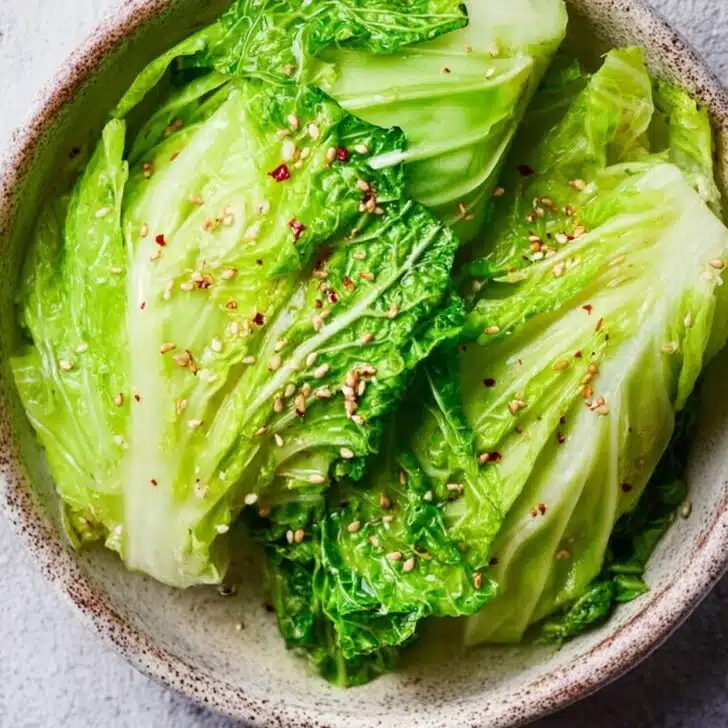
Hey, Have You Ever Tried Izakaya Salted Cabbage?
I first tasted Izakaya Style Salted Cabbage (or shio kyabetsu if you're feeling snazzy) at this tiny bar in Tokyo, which was so small I’m not even sure it would count as a room back home. Anyway, they brought it out as a free snack, which immediately won my heart and possibly ruined me for regular cabbage forever. When I tried making it myself, let’s just say my first batch was a bit of a salt bomb (table salt is not your friend here)—but after a few tries and a near miss with a cabbage avalanche off the kitchen counter, I’ve got things nailed down. Well, mostly.

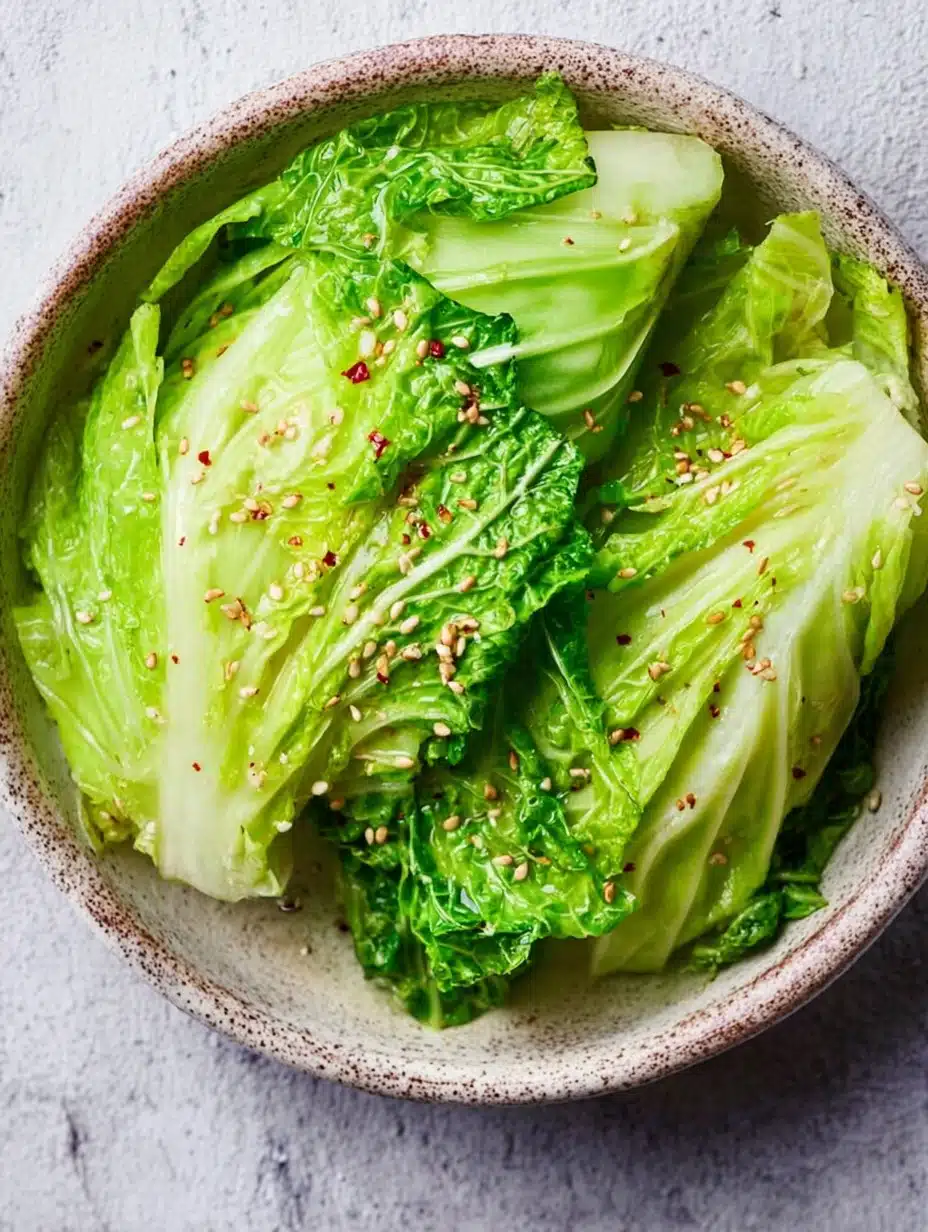
Why You'll Love This Little Bowl of Crunch
I make this every time we've eaten too much heavy stuff (you know those weeks), or when I’m not feeling up to playing chef. My whole family demolishes it by the fistful, even the ones who swear they hate cabbage. It’s lightning fast (except when I lose my grater), and it has that magic trick of being refreshing but craveable. Honestly, it’s almost gone before I even sit down. One time I mixed up sugar for salt and didn’t even notice till the first bite—so yeah, double-check your labels or you’ll end up with a cabbage dessert. Not a total disaster, but odd.
What You'll Need (and Some Swaps)
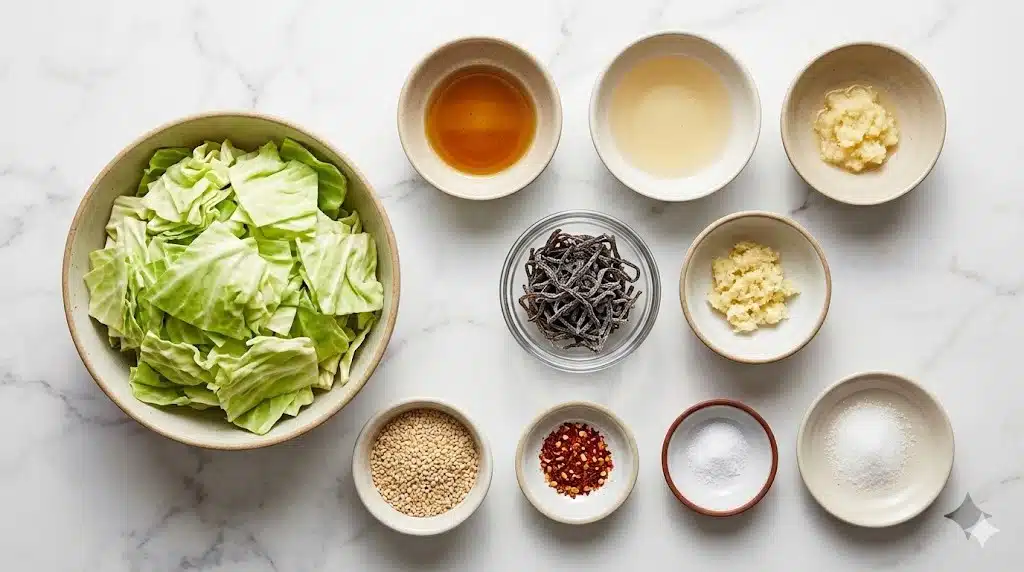
- Half a medium head green cabbage (about 500g or just as much as will fit in your biggest salad bowl)—sometimes I use napa if I find a nice one at the market
- 1 teaspoon flaky sea salt (I swear by Maldon, but my sister uses whatever she has and says it’s fine)
- 1 tablespoon toasted sesame oil (the strong, nutty-smelling kind but honestly, any brand will do in a pinch)
- 1 teaspoon soy sauce (low sodium or regular, whatever’s open)
- 2 teaspoons roasted sesame seeds (totally optional but they do look cute)
- 1-2 cloves garlic, grated or very finely minced (if I’m feeling lazy, I use the pre-minced jar stuff—don’t judge)
- Pinch of sugar (optional—my neighbor claims it “balances” the saltiness…maybe she’s onto something)
- Optional: a sprinkle of chili flakes or a dash of shichimi togarashi for a kick (my kids veto this every time)
Okay, So Here's How I Actually Do It
- Chop the cabbage. Rip off any sad outer leaves, then slice the cabbage into rough, bite-sized pieces. No need to get fussy—think big, crunchy chunks. I occasionally just tear it with my hands because…why not?
- Salt it. Toss the cabbage into your biggest bowl and sprinkle the salt all over. Use your hands to massage the salt in (not too aggressively—you’re not kneading dough). The cabbage will soften and shrink a bit. This is where I usually sneak a bite and end up adding a tiny pinch more salt, if it feels bland.
- Let it sit. Wait 10–15 minutes so the salt does its thing. You’ll see the cabbage get a bit watery and relaxed—don’t worry if it looks a bit soggy, that’s normal. If I’m impatient, I cut this short, but actually letting it rest is worth it.
- Drain off excess liquid. Just tilt the bowl and pour away (or use your hand as a lid—it’s not high science).
- Add flavor. Drizzle over the sesame oil and soy sauce, then grate or add in the garlic. Scatter in your sesame seeds and the (optional) sugar and chili flakes if you’re feeling wild. Toss with your hands again. It gets a little messy, but that’s half the fun.
- Final mix and serve. Give it a final toss. Taste. Maybe add a bit more soy or oil if you like it punchy. Then heap it into a bowl and serve, or just stand at the counter nibbling. No judgment here!

Some Notes I've Picked Up (The Hard Way)
- Do let it sit with the salt for the full time, even if you’re in a rush. Too short and it’s tough, too long and it gets limp. Somewhere in between is perfect.
- If you only have regular table salt, go easy—start with half, taste, add more if needed.
- Oh—and don’t skip the sesame oil. I tried once (ran out!) It was… fine, but not the same. Maybe use a neutral oil if stuck, but you’ll miss the toasty smell.
Ways I've Messed Around With It (Some Good, Some...Not)
- Once I added thinly sliced scallions and it was awesome. Next time I’ll try with a little grated ginger (or maybe I’ll just think about it and forget).
- I tried using purple cabbage once—looked cool but tasted a bit tough. Probably wouldn’t do again, though maybe it was just an old cabbage.
- You can also make it spicy; shichimi togarashi does the trick. My kids stage an uprising if I do, but that’s family life.

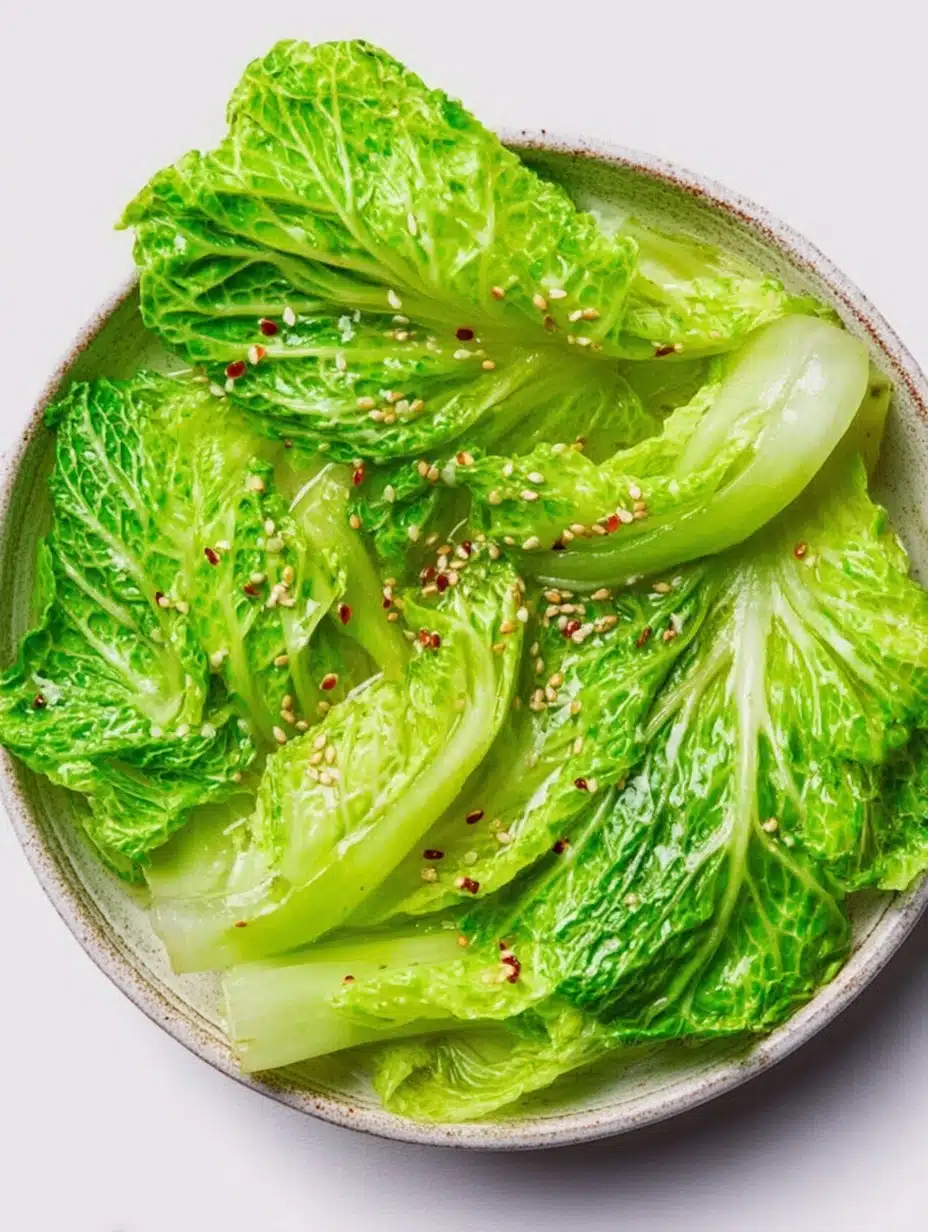
Do You Really Need Any Special Equipment?
You don’t need much. A big mixing bowl is ideal (I use the bowl from my salad spinner), but honestly, in a pinch, I once used a giant Tupperware and just shook everything inside. Garlic grater? Sure, but a knife or even the “smash it with the jar” trick works when I’m feeling a bit lazy.
How to Store It (Not That You'll Get the Chance)
Pop leftovers (if, by some miracle, you have any) in a sealed container in the fridge. It keeps fine for a day or two—I think it tastes even zingier cold the next day. But, I’ll be honest, ours is usually wiped out before there’s a need to store anything.
How I Love Serving This
This is a side dish through and through; it’s my go-to with grilled chicken skewers or rice bowls. Sometimes I just serve it as a little nibbly with cold beer—my uncle says that’s “the proper way.” Kids will grab it straight off the platter before dinner if I’m not quick.
The Little Tricks I've Learned (Usually By Messing Up)
- I tried rushing the salting step once—cabbage too crunchy, flavors didn’t meld. Now I actually use the timer on my microwave, so I don’t get distracted.
- Don't dump all the liquid, or it'll end up bone dry. Just pour off the big puddle that forms at the bottom.
Real Questions I've Actually Heard (Or Asked Myself)
- Can I make this ahead?
Actually, yes, but it’s definitely crispier on day one. Still, cold next-day cabbage is oddly good. Maybe don’t serve it to fancy guests after it’s been sitting for several days, though. - Is it vegan?
Yep, as long as your soy sauce is. For gluten free, use tamari instead. Easy swap! - Can I use pre-shredded bagged cabbage?
Definitely. It’s not as crunchy as chopping your own, but I do this when I’m feeling tired or can’t be bothered. - What if I don’t have sesame oil?
Skip it if you must, but you’ll lose that classic Izakaya flavor. Or try a bit of olive oil—it’s different, but gets the job done. - Help! Mine’s too salty!
I’ve been there. Just add more cabbage, toss again, and let it sit a while. It dilutes the saltiness (or eat it with plain rice—that works too).
And, completely unrelated, my cat once tried to eat the cabbage off the counter and ignored his food for the rest of the night. So if you have a curious pet, watch your prep area!
Ingredients
- Half a medium head green cabbage (about 500g or just as much as will fit in your biggest salad bowl)—sometimes I use napa if I find a nice one at the market
- 1 teaspoon flaky sea salt (I swear by Maldon, but my sister uses whatever she has and says it’s fine)
- 1 tablespoon toasted sesame oil (the strong, nutty-smelling kind but honestly, any brand will do in a pinch)
- 1 teaspoon soy sauce (low sodium or regular, whatever’s open)
- 2 teaspoons roasted sesame seeds (totally optional but they do look cute)
- 1-2 cloves garlic, grated or very finely minced (if I’m feeling lazy, I use the pre-minced jar stuff—don’t judge)
- Pinch of sugar (optional—my neighbor claims it “balances” the saltiness…maybe she’s onto something)
- Optional: a sprinkle of chili flakes or a dash of shichimi togarashi for a kick (my kids veto this every time)
Instructions
-
1Chop the cabbage. Rip off any sad outer leaves, then slice the cabbage into rough, bite-sized pieces. No need to get fussy—think big, crunchy chunks. I occasionally just tear it with my hands because…why not?
-
2Salt it. Toss the cabbage into your biggest bowl and sprinkle the salt all over. Use your hands to massage the salt in (not too aggressively—you’re not kneading dough). The cabbage will soften and shrink a bit. This is where I usually sneak a bite and end up adding a tiny pinch more salt, if it feels bland.
-
3Let it sit. Wait 10–15 minutes so the salt does its thing. You’ll see the cabbage get a bit watery and relaxed—don’t worry if it looks a bit soggy, that’s normal. If I’m impatient, I cut this short, but actually letting it rest is worth it.
-
4Drain off excess liquid. Just tilt the bowl and pour away (or use your hand as a lid—it’s not high science).
-
5Add flavor. Drizzle over the sesame oil and soy sauce, then grate or add in the garlic. Scatter in your sesame seeds and the (optional) sugar and chili flakes if you’re feeling wild. Toss with your hands again. It gets a little messy, but that’s half the fun.
-
6Final mix and serve. Give it a final toss. Taste. Maybe add a bit more soy or oil if you like it punchy. Then heap it into a bowl and serve, or just stand at the counter nibbling. No judgment here!
Approximate Information for One Serving
Nutrition Disclaimers
Number of total servings shown is approximate. Actual number of servings will depend on your preferred portion sizes.
Nutritional values shown are general guidelines and reflect information for 1 serving using the ingredients listed, not including any optional ingredients. Actual macros may vary slightly depending on specific brands and types of ingredients used.
To determine the weight of one serving, prepare the recipe as instructed. Weigh the finished recipe, then divide the weight of the finished recipe (not including the weight of the container the food is in) by the desired number of servings. Result will be the weight of one serving.
Did you make this recipe?
Please consider Pinning it!