
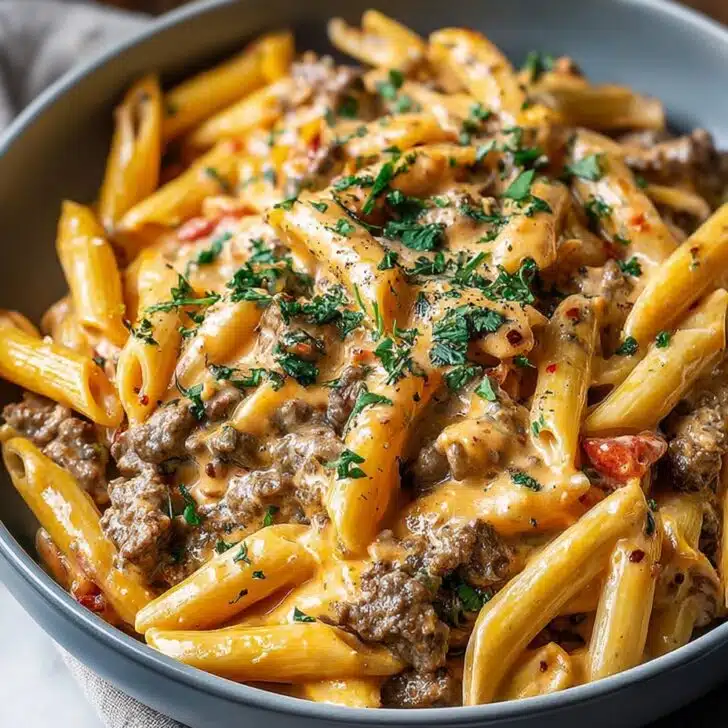
Let Me Tell You About My Creamy Beef Pasta Mishaps
Alright, so do you ever have one of those days where you just want dinner to appear magically (like, poof, done) but instead you end up making something that's almost too good to be true? That’s basically how my Creamy Beef Pasta was born. I mean, I invented it out of fridge desperation one weeknight, and now my family requests it more than my so-called signature lasagna. Actually, my cousin calls it "Tuesday pasta," because that's apparently when cravings strike (I never asked—I just go with it). Oh, and don’t judge me for tasting the sauce straight from the pan with the same spoon I stir with. We've all done it, right?

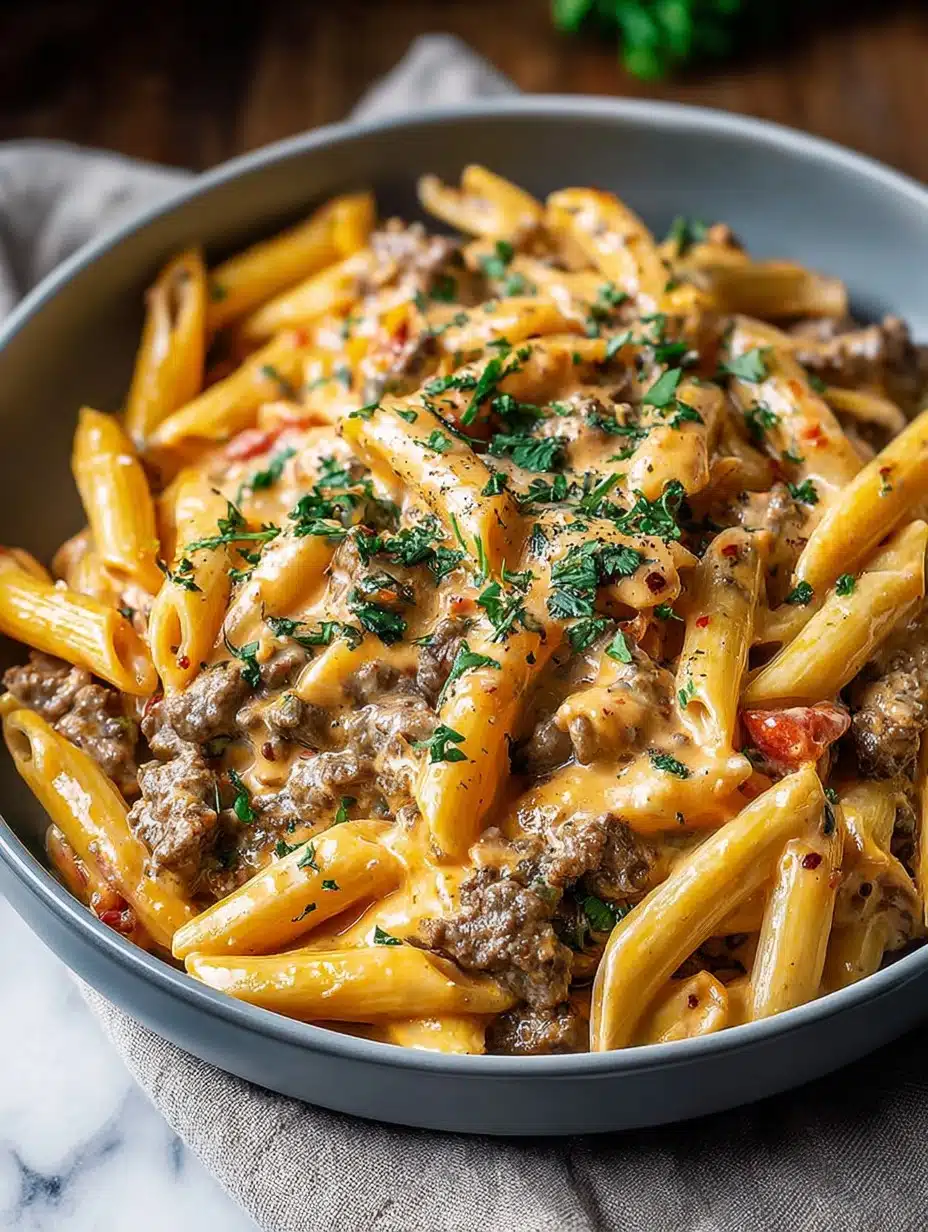
Why You’ll Probably End Up Loving This
I make this when life is a bit of a dumpster fire and everyone’s hungry (especially me). My family goes totally bonkers for it because the sauce is super creamy without being too heavy, and it's basically a warm hug for your tastebuds. Plus, if you’re tired of cleaning 47 pots, this is your friend. Actually, I've burned the pasta water once, so now I hang out nearby during that part—multitasking, but not in a bad way.
What You’ll Need (Substitutions Welcome!)
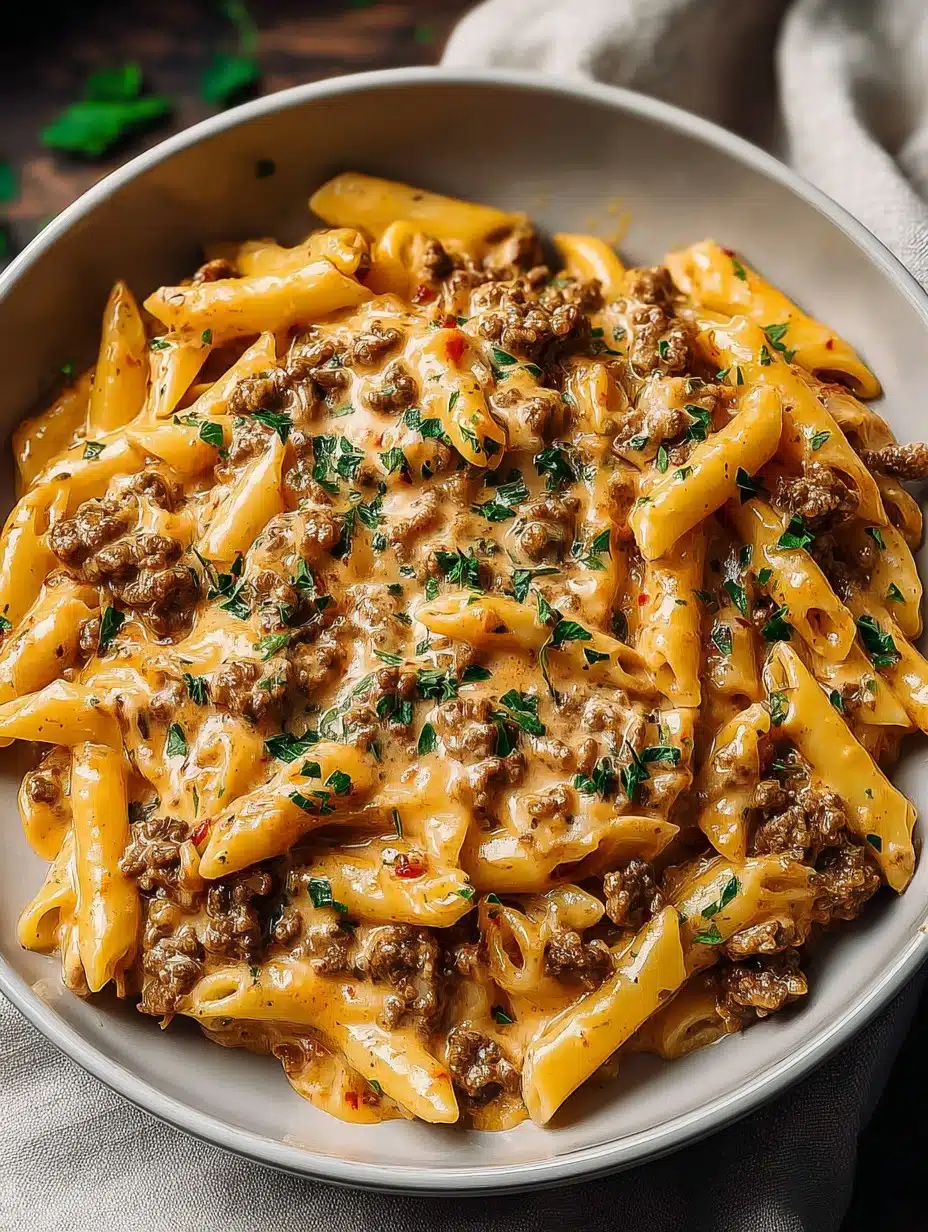
- 300g (about 10 oz) penne or rotini pasta (I sometimes grab fusilli if that's all I've got—works fine)
- 1 tablespoon olive oil (but plain veggie oil is honestly fine)
- 500g (1 lb) ground beef (my grandma swears by the lean kind—I just use what's on sale, ha!)
- 1 medium yellow onion, chopped (red onion in a pinch)
- 2 garlic cloves, minced (or... you know, that pre-minced jar stuff if I'm feeling lazy)
- 1 teaspoon dried Italian herbs (or just some dried oregano and basil—no one’s checking)
- ½ teaspoon paprika (smoked, if you're feeling a bit fancy)
- Salt and black pepper, to taste
- 1 can (400g/14 oz) diced tomatoes (I’ve used crushed too. It's all good.)
- ½ cup beef broth (water with a bouillon cube works, or stock if you've got it leftover from Sunday roast)
- ½ cup heavy cream (sometimes I sneak in a bit of cream cheese—dangerous!)
- 1 cup shredded mozzarella cheese (cheddar does the trick if that's what’s in the fridge)
- Fresh parsley, chopped (optional, but it's the business for a bit of color)
How I Usually Throw It All Together
- First, get a big pot of water going for the pasta; salt it like a minor snowstorm and bring it to a boil. Cook the pasta according to the box (I like mine with a tiny bite left). Drain—but keep about half a mug of the pasta water for later. Trust me here.
- While the pasta takes its sweet time, heat the olive oil in a roomy skillet or saucepan over medium-high. Toss in the onions and sauté for about 3 minutes till they're a bit see-through. Add your garlic and go for another minute—don’t let it burn or you’ll smell it for days.
- In goes the ground beef. Break it up (I use a wooden spoon, but a spatula works fine) and brown it till it loses its pinkness—about 5–7 minutes. I sometimes get a bit distracted here and overcook it; don’t sue me.
- Now, sprinkle in your dried herbs, paprika, plus salt and pepper. Stir it up. Pour in the diced tomatoes and beef broth. Let this whole thing simmer, kind of bubbling, for 10-ish minutes till it thickens a bit. This is when I usually sneak a taste with my “stirring spoon.”
- Turn the heat down low. Stir in the heavy cream (and a cheeky blob of cream cheese if you want extra creaminess). Once it’s all looking silky, add the shredded cheese and let it melt. If it seems too thick, add some reserved pasta water—little by little. Don't panic if it looks weird at this stage... always does, but it’ll come together.
- Chuck the drained pasta into the sauce. Toss everything gently so every piece of pasta gets cozy with the sauce. You can add that parsley if you like—it’s not life or death.
- Sling it into bowls, maybe with more cheese or a sprinkle of black pepper on top. Then dig in while it’s really hot. Or stare at it for 10 seconds, sigh, and dig in anyway (I always do).

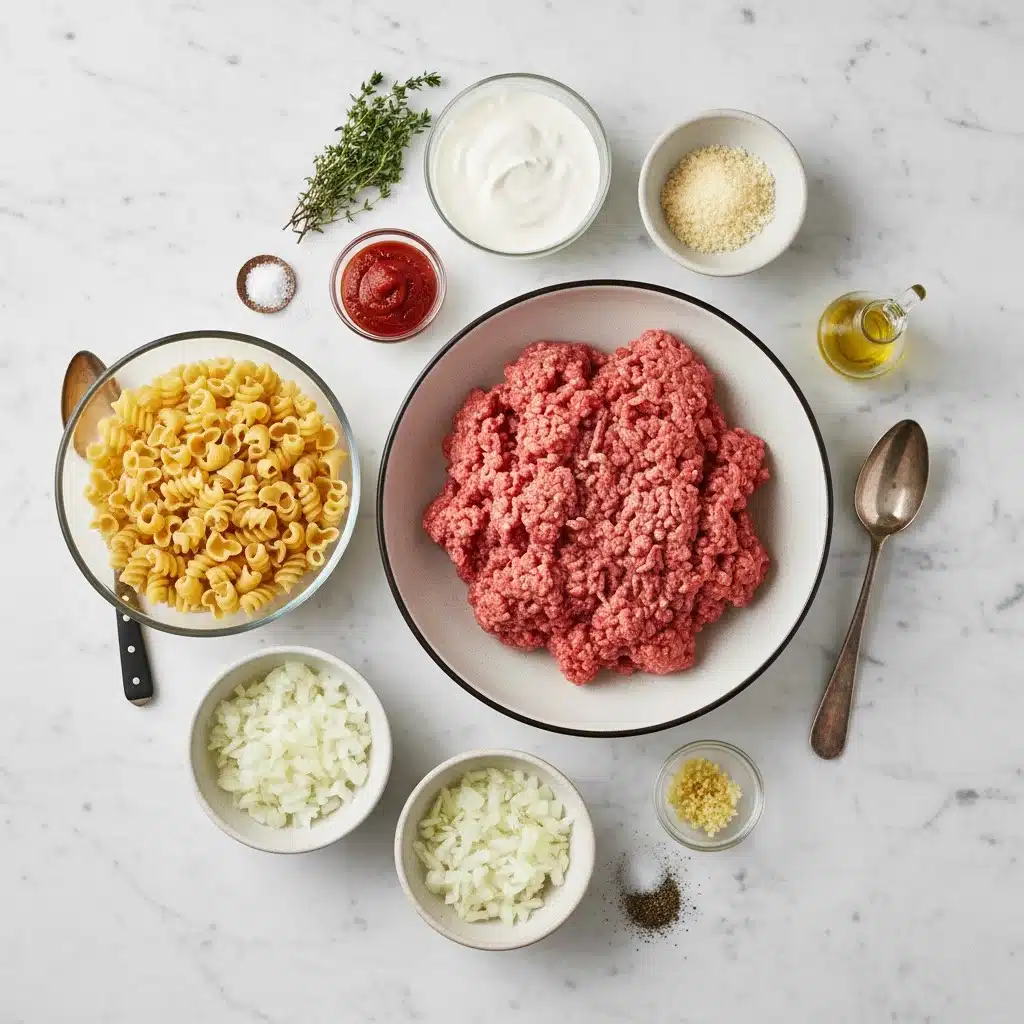
Things I’ve Learned Along the Way (Notes)
- If you forget to save the pasta water, it’s not the end of the world—just add a splash of milk or broth. I’ve done it, no one ever noticed.
- Don’t use super low-fat cream (learned this the hard way; sauce got weirdly grainy and sad).
- I used to think fresh herbs were a must, but honestly, sometimes dried is just easier, especially on a Monday.
What Else I’ve Tried (Variations—cue triumph and failure)
- Once swapped ground beef for ground turkey. Not bad, but didn’t hit the same “comfort food” note for me.
- Added a big handful of spinach before the cream for a little green—turned out weirdly good! (But my kid picked it all out, oh well.)
- Attempted using Greek yogurt instead of cream—honestly, it curdled horribly. Maybe there’s a trick I don’t know?
- I’ve doubled the cheese, and once—okay, twice—added grated parmesan. Highly recommended. Maybe skip if you don't love cheese overload.

Stuff You Might (or Might Not) Need: Equipment
- A big saucepan or deep skillet (I once used a wok in a pinch—no complaints!)
- Wooden spoon, or any old spatula
- Pasta pot plus a colander (tried draining pasta with a slotted spoon before—messy, but kind of worked)
- Measuring jug/cup—but let’s be honest, I eyeball the broth most times
How to Keep It (If You Somehow Have Leftovers)
Just pop any leftovers in an airtight tub in the fridge for up to 3 days, but, honestly, in my house it never lasts more than a day! I actually think it tastes even better on day two, weirdly enough. Reheat with a splash of water or milk in a pan or zap in the microwave—just don’t let it dry out or it’ll get sad. Or just eat it cold (I won’t tell).
How I Like to Serve Creamy Beef Pasta
Personally, I love scattering a bit of fresh parsley on top—only because it looks posh. My family likes it with a chunk of crusty bread on the side (but never garlic bread, surprisingly). Occasionally I’ll sneak a crisp green salad next to it, but that’s more for show than anything.
Don’t Make My Mistakes (Pro Tips)
- Don’t add the cream when the sauce’s boiling or it can split! I once did that and ended up with oily weirdness.
- If you rush the simmering bit, the flavors don’t come together; trust me, I tried once when running late. Wasn’t worth it.
- Actually, don’t skip the cheese inside the sauce—makes everything taste like a cozy night in.
Questions I Get (and Occasionally Bungle the Answers To)
- Can I make this ahead? Sure, but the pasta can soak up the sauce if it sits too long. I tend to cook the sauce ahead of time, then just reheat and add fresh pasta. Or, embrace the saucy-ness and let it get extra thick!
- Does it freeze well? Kind of. The sauce itself sure does, but the pasta gets a bit mushy when thawed. Maybe give it a go, but don’t come yelling if the texture’s not spot-on.
- Can I add veggies? Yup—mushrooms, peas, or even roasted peppers work well. Though, on second thought, peas sometimes roll everywhere. Be warned.
- What if I only have elbows or shells? Doesn’t matter one bit—use whatever pasta you’d like! I’m not the pasta police.
- Is there a dairy-free version? I mean, you could try swapping in coconut cream and vegan cheese, but I’ve not tested it. Let me know if you do!
Alright, if any of that made you hungry, my job here is done. Happy eating, mate!
Ingredients
- 300g (about 10 oz) penne or rotini pasta (I sometimes grab fusilli if that's all I've got—works fine)
- 1 tablespoon olive oil (but plain veggie oil is honestly fine)
- 500g (1 lb) ground beef (my grandma swears by the lean kind—I just use what's on sale, ha!)
- 1 medium yellow onion, chopped (red onion in a pinch)
- 2 garlic cloves, minced (or... you know, that pre-minced jar stuff if I'm feeling lazy)
- 1 teaspoon dried Italian herbs (or just some dried oregano and basil—no one’s checking)
- ½ teaspoon paprika (smoked, if you're feeling a bit fancy)
- Salt and black pepper, to taste
- 1 can (400g/14 oz) diced tomatoes (I’ve used crushed too. It's all good.)
- ½ cup beef broth (water with a bouillon cube works, or stock if you've got it leftover from Sunday roast)
- ½ cup heavy cream (sometimes I sneak in a bit of cream cheese—dangerous!)
- 1 cup shredded mozzarella cheese (cheddar does the trick if that's what’s in the fridge)
- Fresh parsley, chopped (optional, but it's the business for a bit of color)
Instructions
-
1First, get a big pot of water going for the pasta; salt it like a minor snowstorm and bring it to a boil. Cook the pasta according to the box (I like mine with a tiny bite left). Drain—but keep about half a mug of the pasta water for later. Trust me here.
-
2While the pasta takes its sweet time, heat the olive oil in a roomy skillet or saucepan over medium-high. Toss in the onions and sauté for about 3 minutes till they're a bit see-through. Add your garlic and go for another minute—don’t let it burn or you’ll smell it for days.
-
3In goes the ground beef. Break it up (I use a wooden spoon, but a spatula works fine) and brown it till it loses its pinkness—about 5–7 minutes. I sometimes get a bit distracted here and overcook it; don’t sue me.
-
4Now, sprinkle in your dried herbs, paprika, plus salt and pepper. Stir it up. Pour in the diced tomatoes and beef broth. Let this whole thing simmer, kind of bubbling, for 10-ish minutes till it thickens a bit. This is when I usually sneak a taste with my “stirring spoon.”
-
5Turn the heat down low. Stir in the heavy cream (and a cheeky blob of cream cheese if you want extra creaminess). Once it’s all looking silky, add the shredded cheese and let it melt. If it seems too thick, add some reserved pasta water—little by little. Don't panic if it looks weird at this stage... always does, but it’ll come together.
-
6Chuck the drained pasta into the sauce. Toss everything gently so every piece of pasta gets cozy with the sauce. You can add that parsley if you like—it’s not life or death.
-
7Sling it into bowls, maybe with more cheese or a sprinkle of black pepper on top. Then dig in while it’s really hot. Or stare at it for 10 seconds, sigh, and dig in anyway (I always do).
Approximate Information for One Serving
Nutrition Disclaimers
Number of total servings shown is approximate. Actual number of servings will depend on your preferred portion sizes.
Nutritional values shown are general guidelines and reflect information for 1 serving using the ingredients listed, not including any optional ingredients. Actual macros may vary slightly depending on specific brands and types of ingredients used.
To determine the weight of one serving, prepare the recipe as instructed. Weigh the finished recipe, then divide the weight of the finished recipe (not including the weight of the container the food is in) by the desired number of servings. Result will be the weight of one serving.
Did you make this recipe?
Please consider Pinning it!